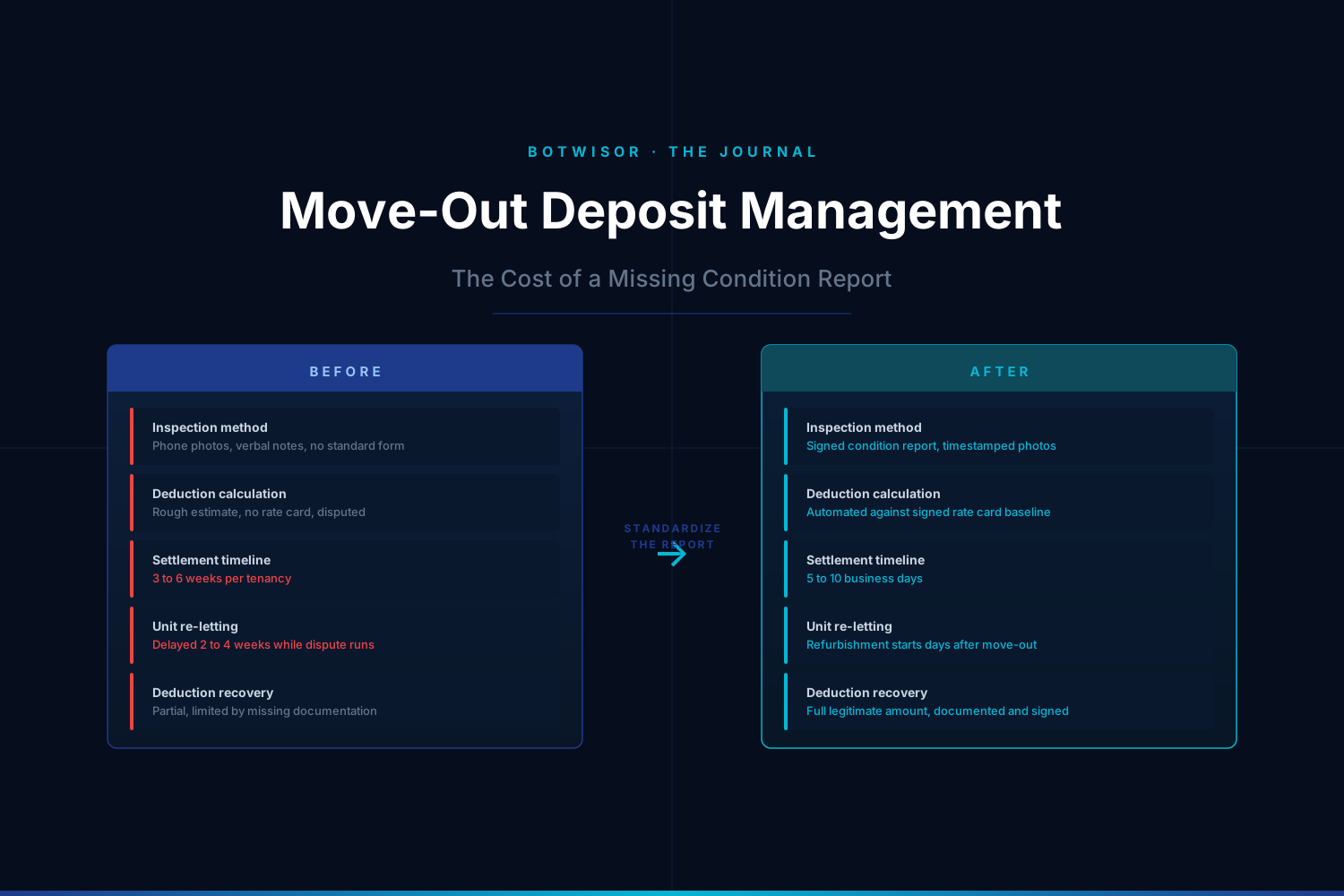
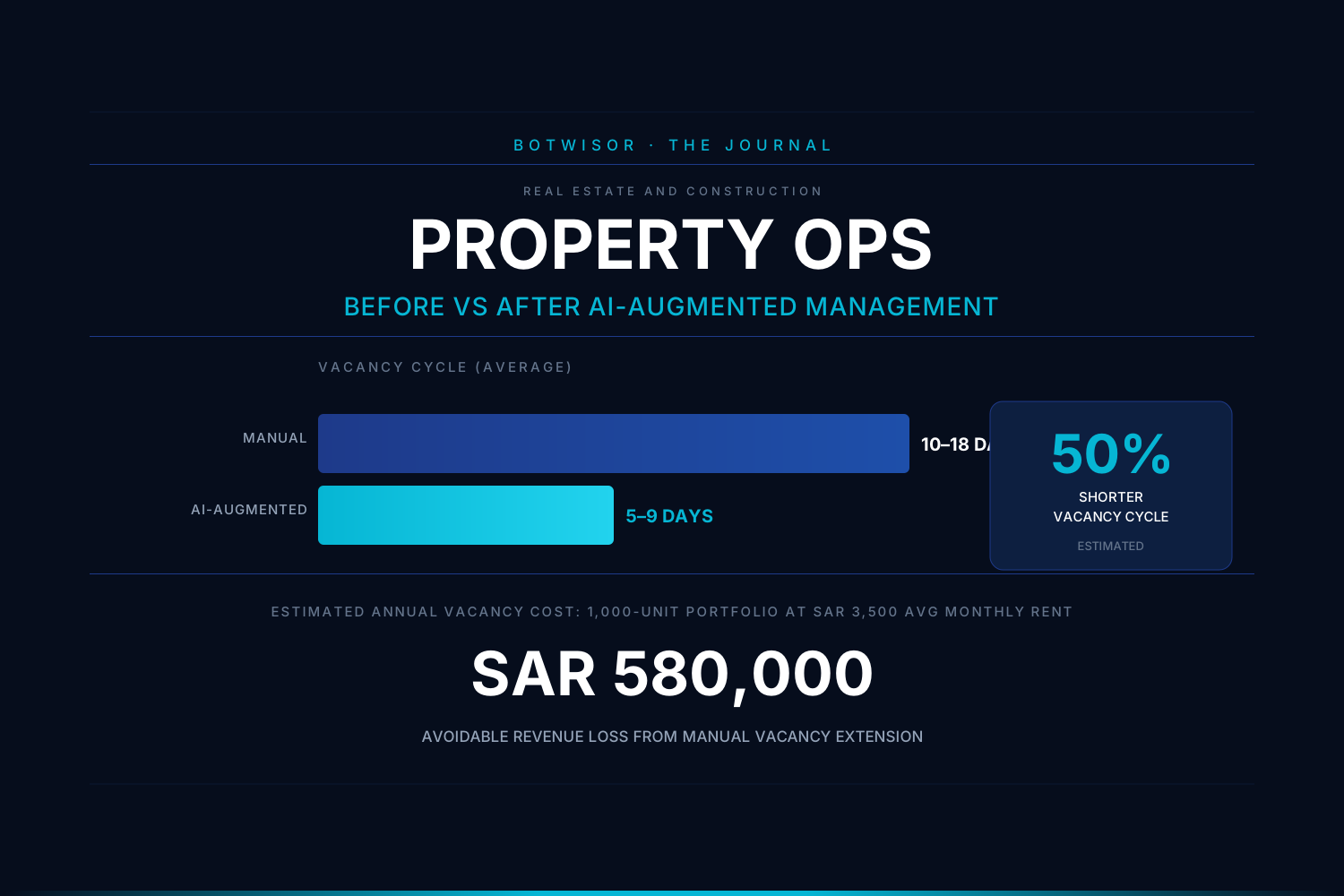
Saudi landlords close tenancies without a standardized condition report, leaving deductions disputed and re-letting cycles longer than they need to be.
Real estate & constructionProperty managementCost of inaction
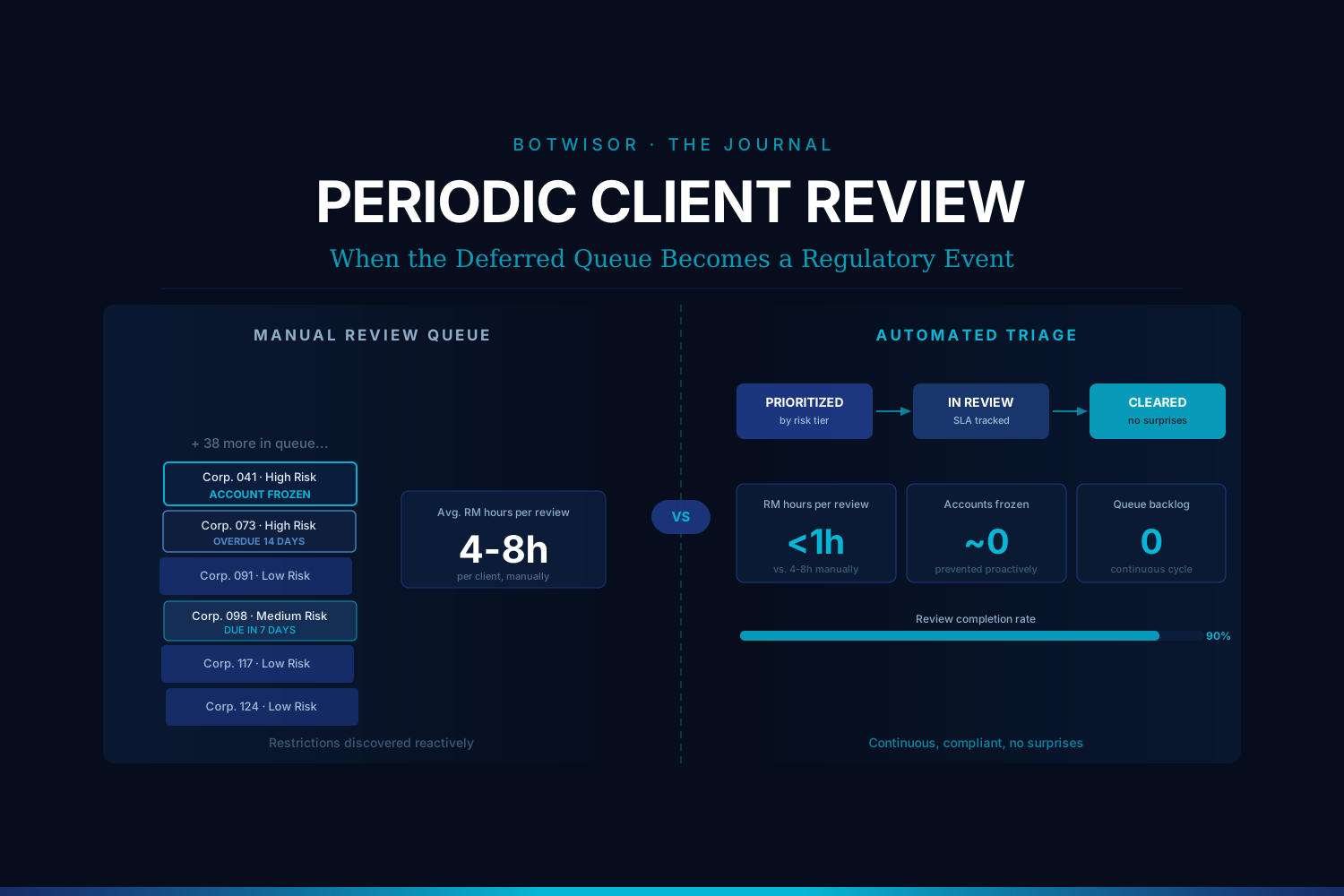
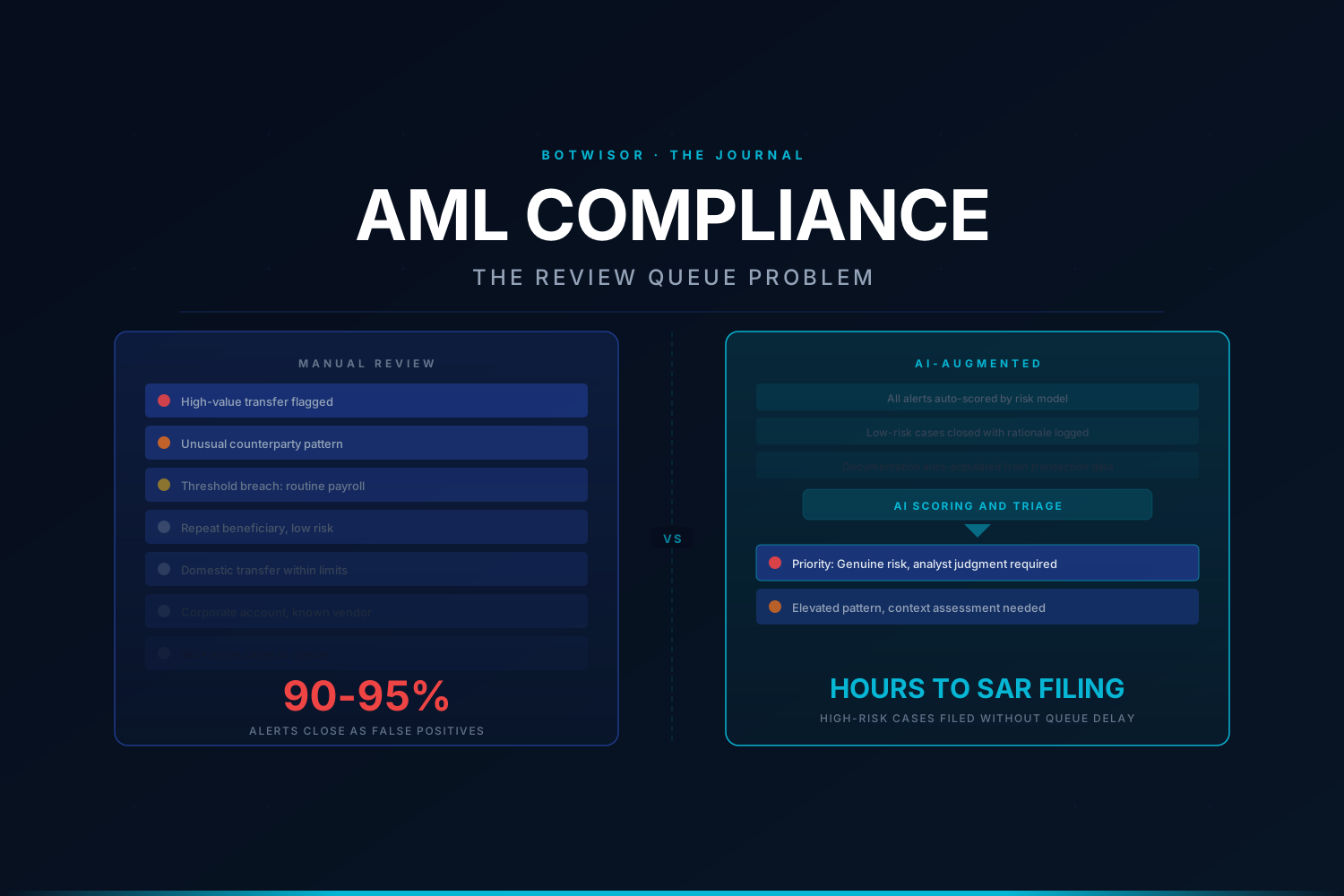
Saudi banks run periodic client KYC reviews manually. When the queue outpaces the team, accounts freeze without warning and real costs follow only after the damage is done.
Saudi multi-channel retailers manually updating promotional prices face a silent cost: channels go live at different times, errors compound, and post-campaign reconciliation takes days. Here is what that lag actually costs.
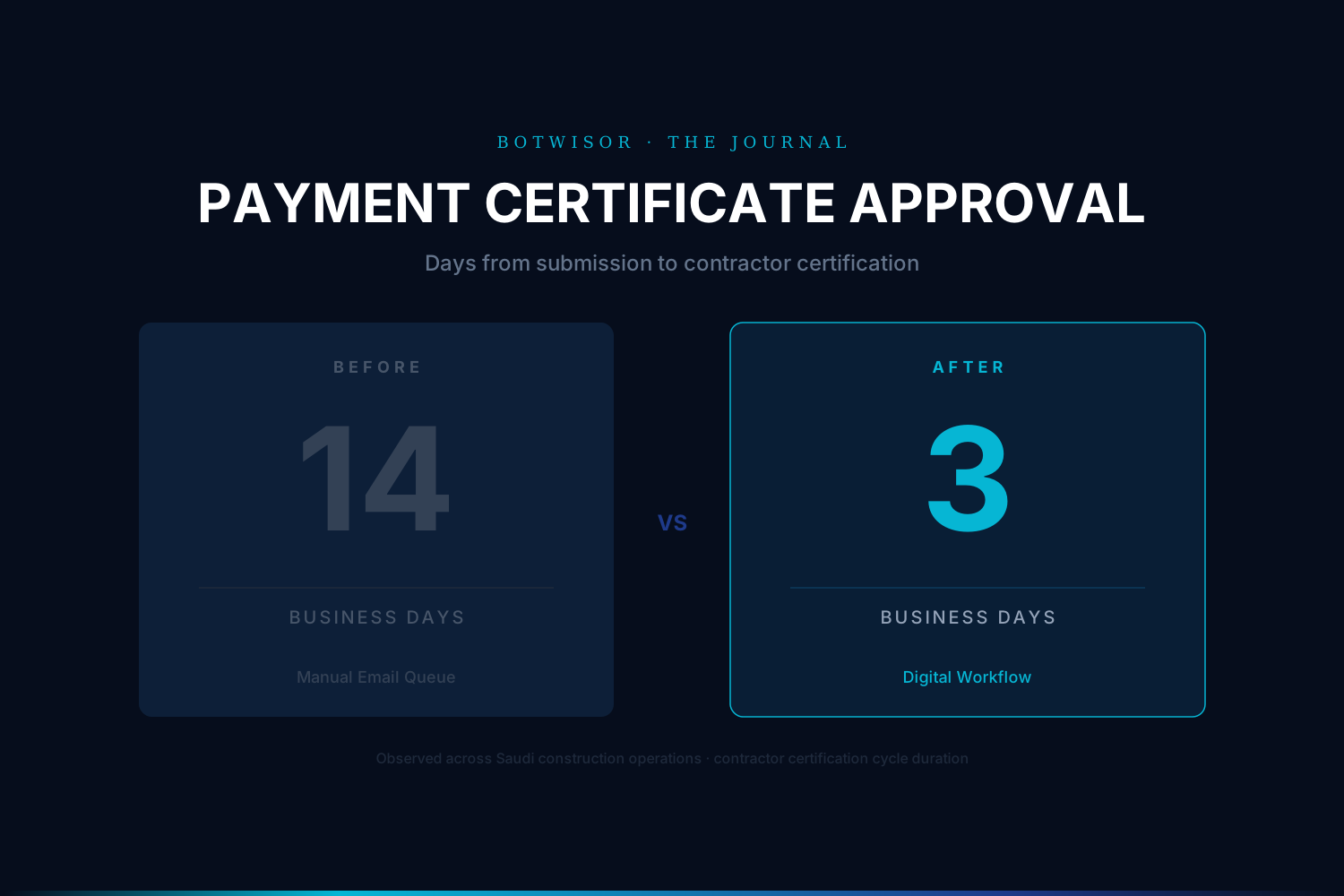
Contractor payment certificates in Saudi construction sit in manual review queues for 10 to 14 business days. Contractors price that delay into every project bid.
Real estate & constructionConstruction financeContractor management
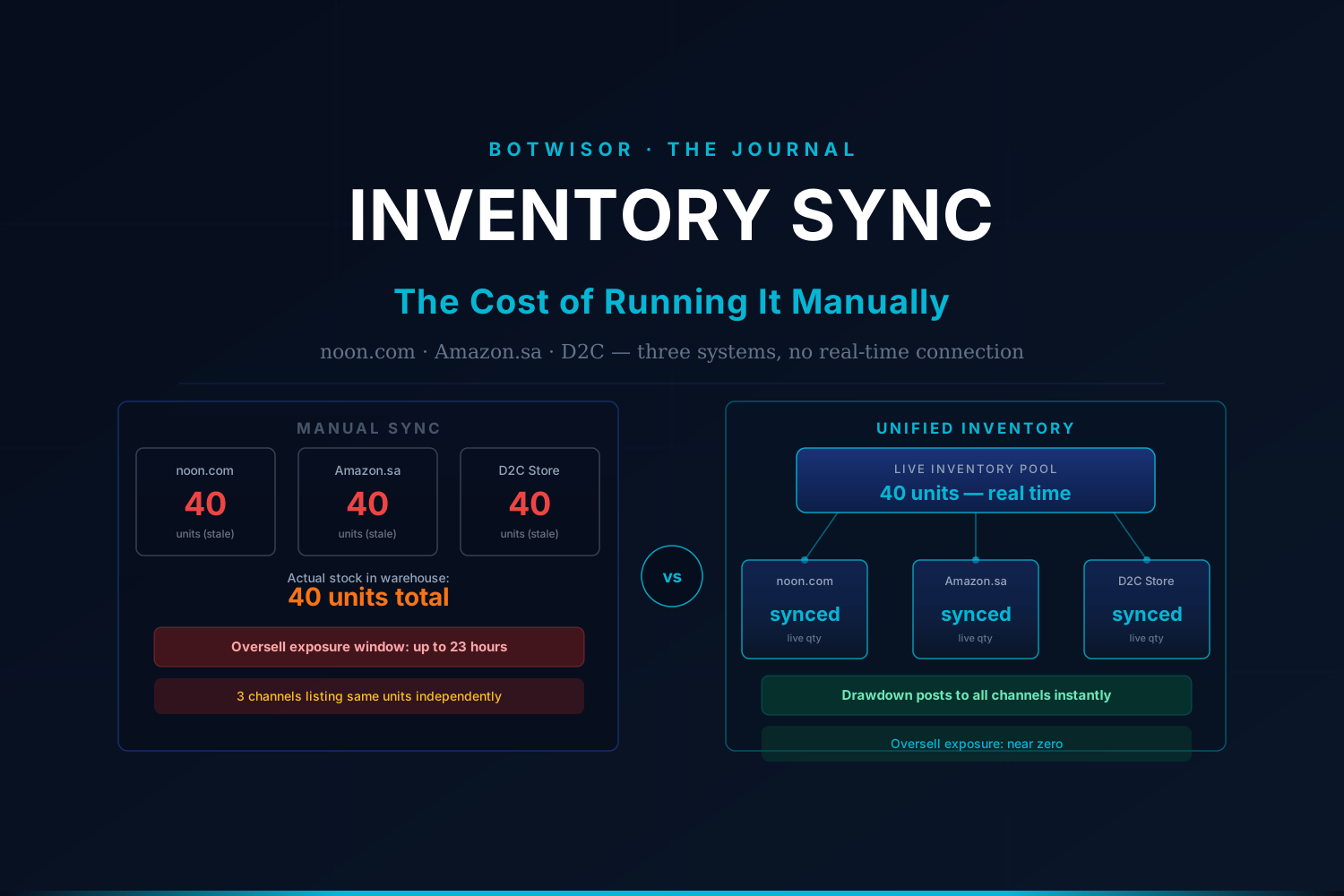
Saudi online retailers absorb cancellations, ranking drops, and a hidden buffer cost when inventory sync across marketplaces runs manually. Here is what that gap actually costs at scale.
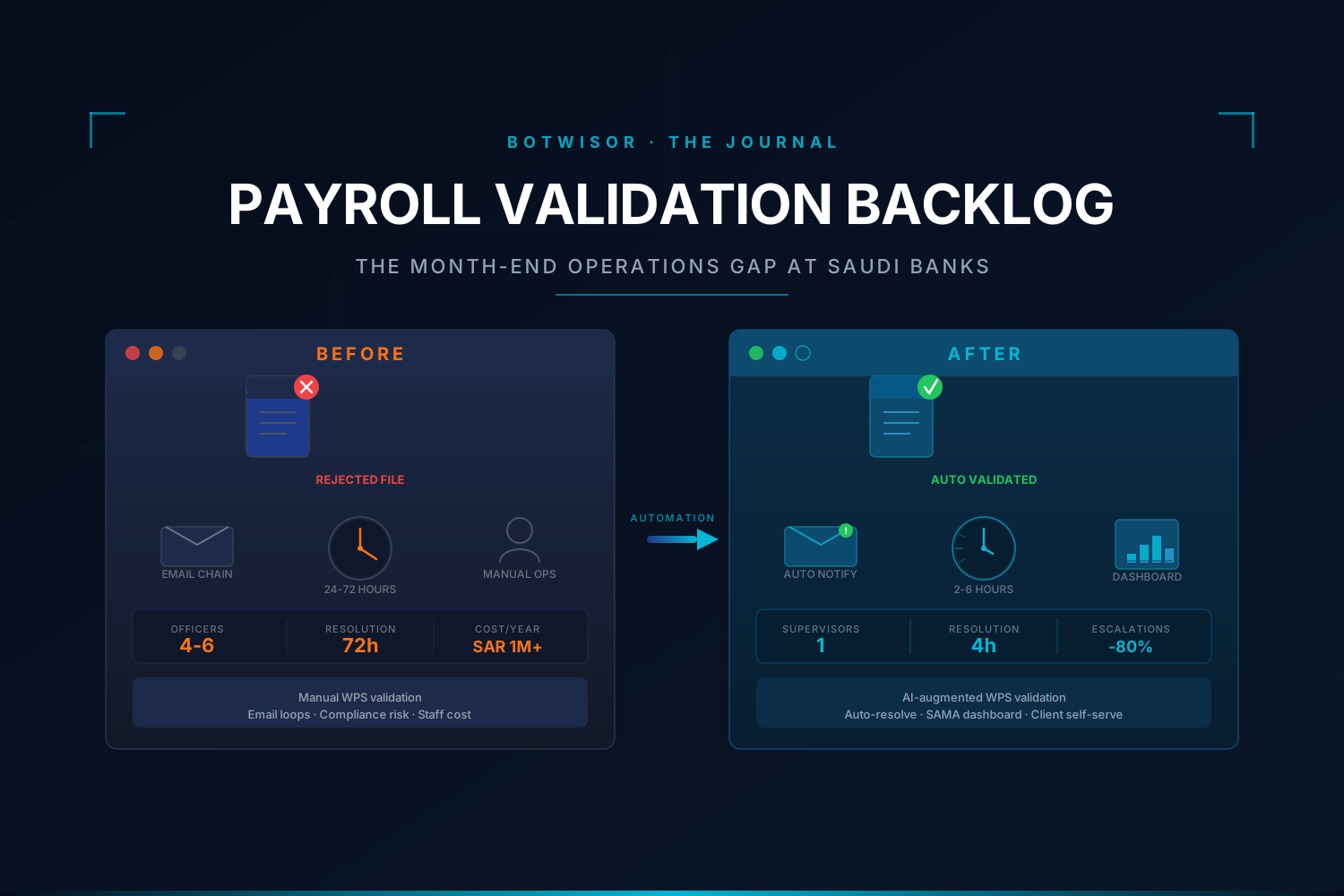
The WPS payroll validation backlog at Saudi banks is a month-end cost centre that few operations leads have fully measured. This is what it adds up to.
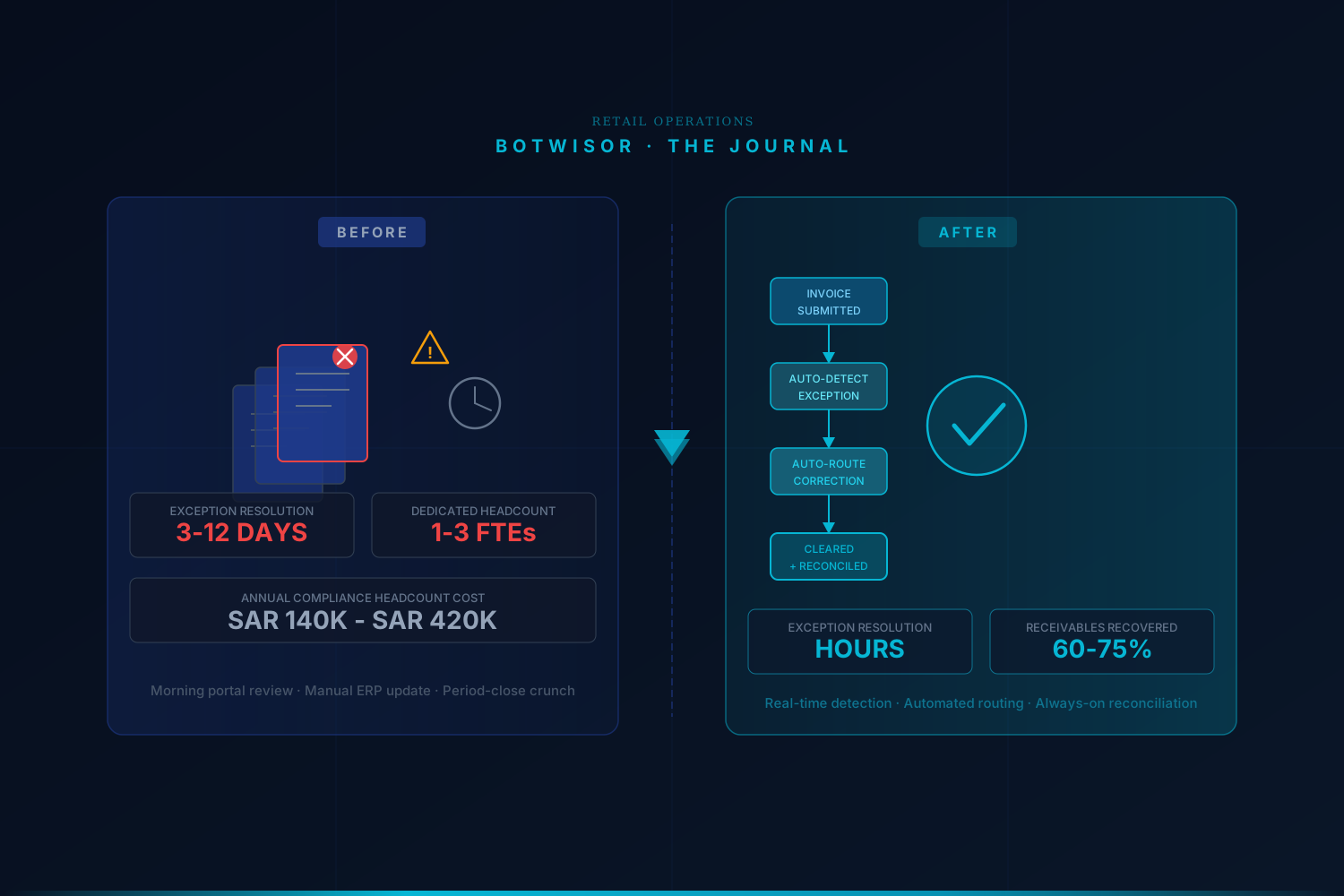
Saudi retailers are absorbing ZATCA Phase 2 invoice exceptions as a staffing cost rather than automating them. Here is what that compliance gap actually costs at scale.
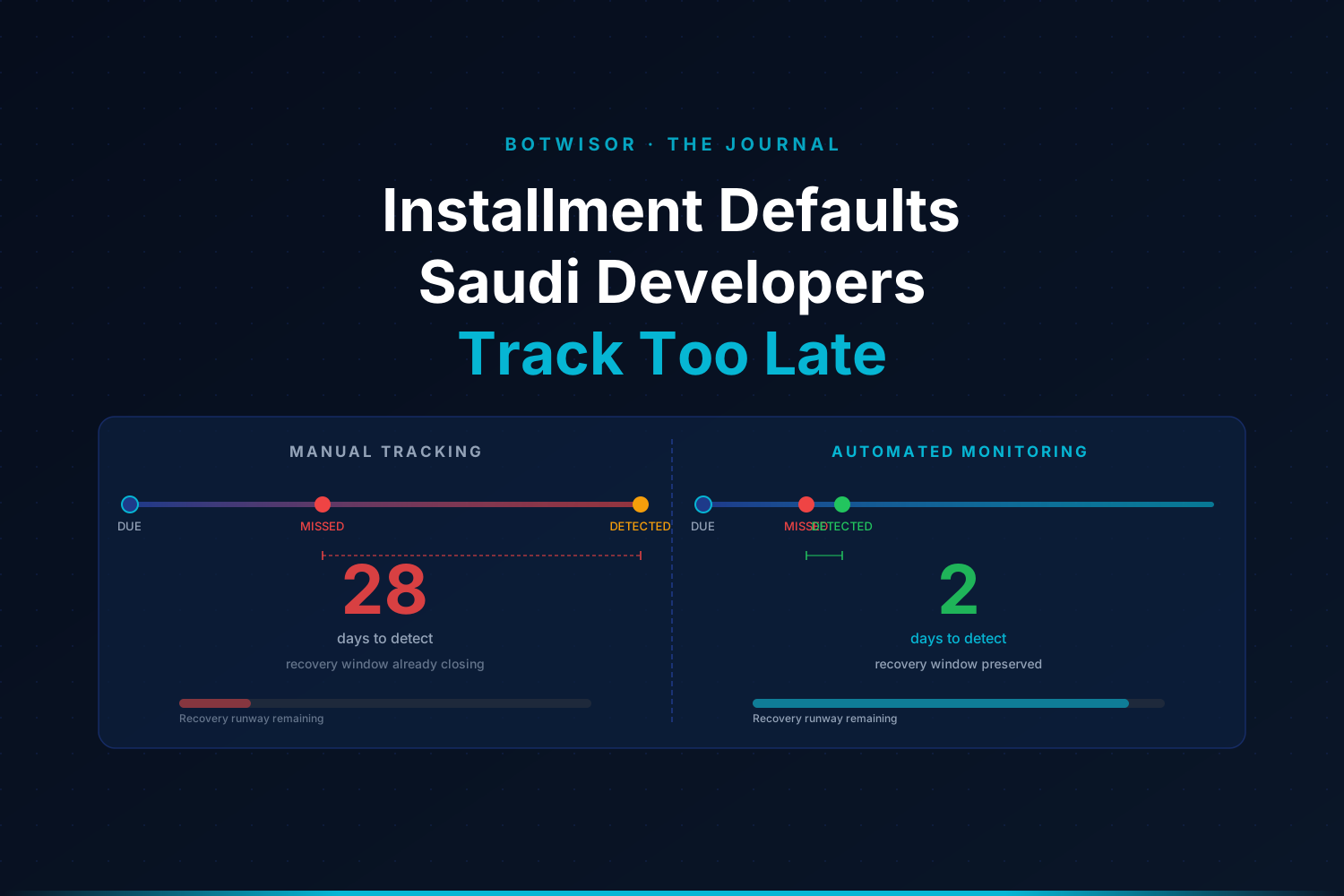
Saudi off-plan developers detect buyer defaults when the next installment misses, not before. By then, the recovery window has often closed. Early detection changes the outcome; late detection locks in the loss.
Real estate & constructionOff-plan salesRevenue recovery
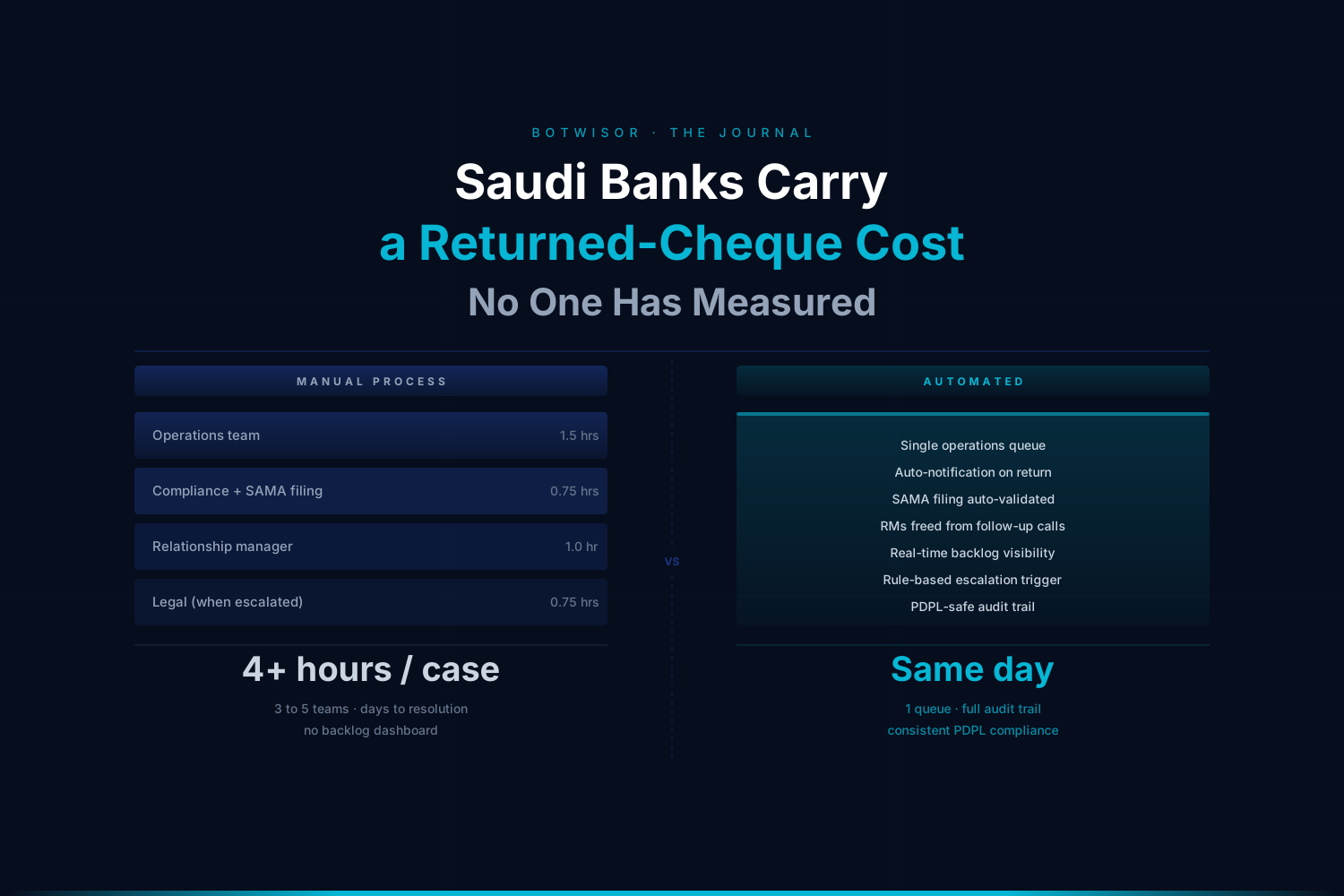
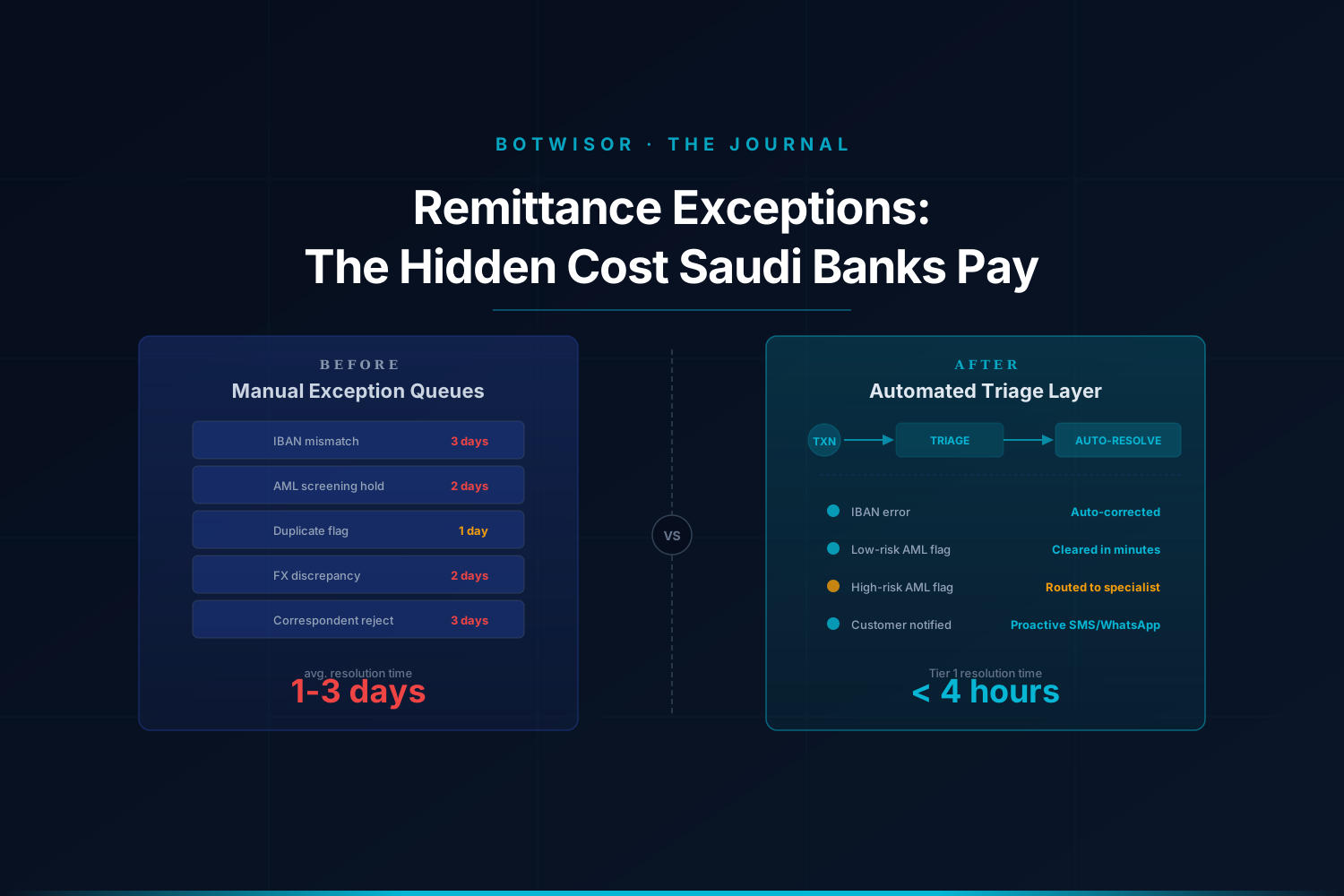
Every outbound transfer that fails straight-through processing lands in a human queue. When that queue grows faster than the team assigned to clear it, the cost compounds in staff hours, customer attrition, and SAMA compliance exposure most banks are not measuring.
Saudi retailers typically wait 4 to 8 weeks between signing a new vendor contract and generating the first sale from that vendor's products. The delay costs real revenue and burns seasonal windows that never come back.
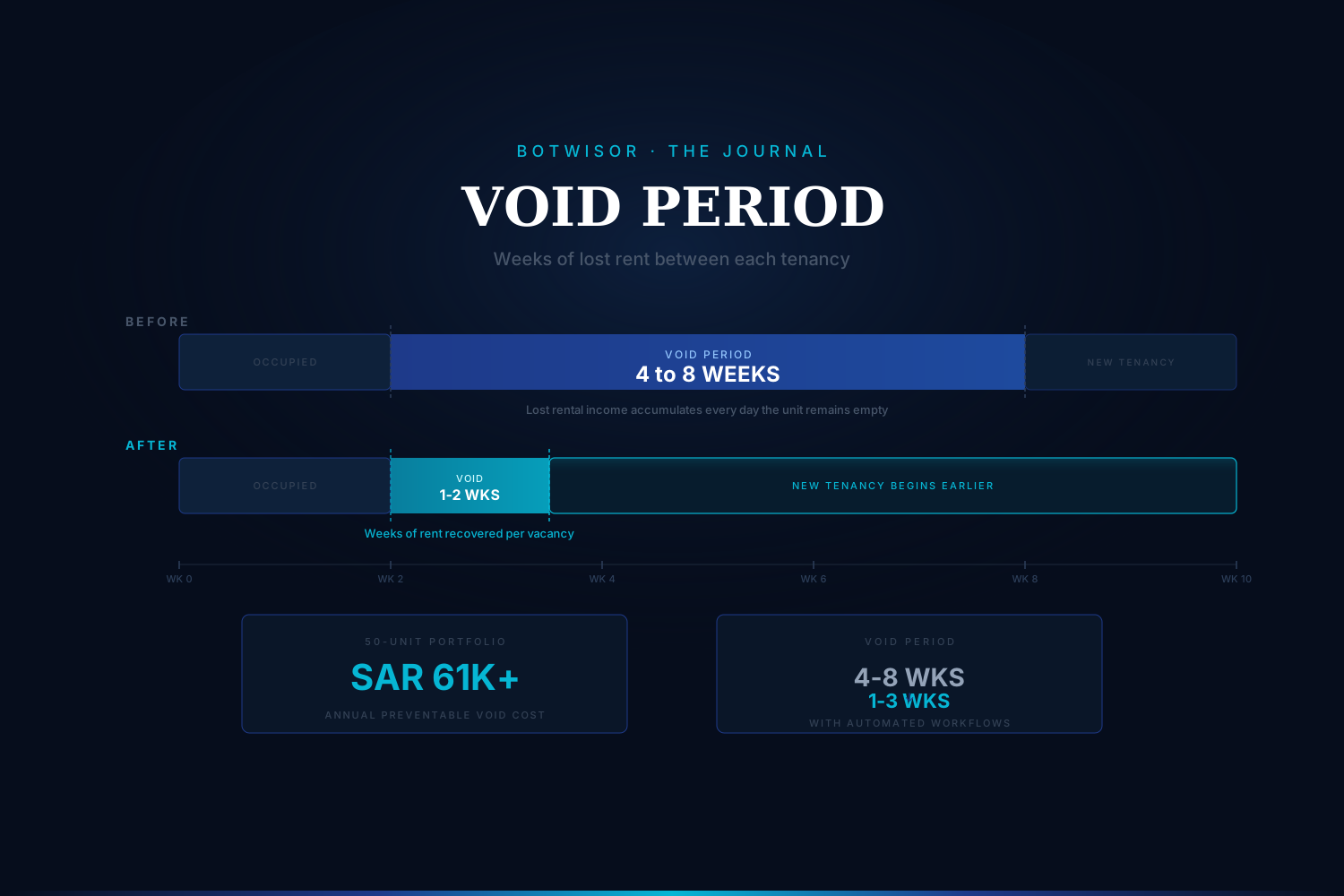
Saudi commercial and residential landlords absorb lost rent during every vacancy without tracking the cost. The void period between tenants is longer than it needs to be, and the gap is almost entirely operational.
Real estate & constructionProperty ManagementLeasing Operations
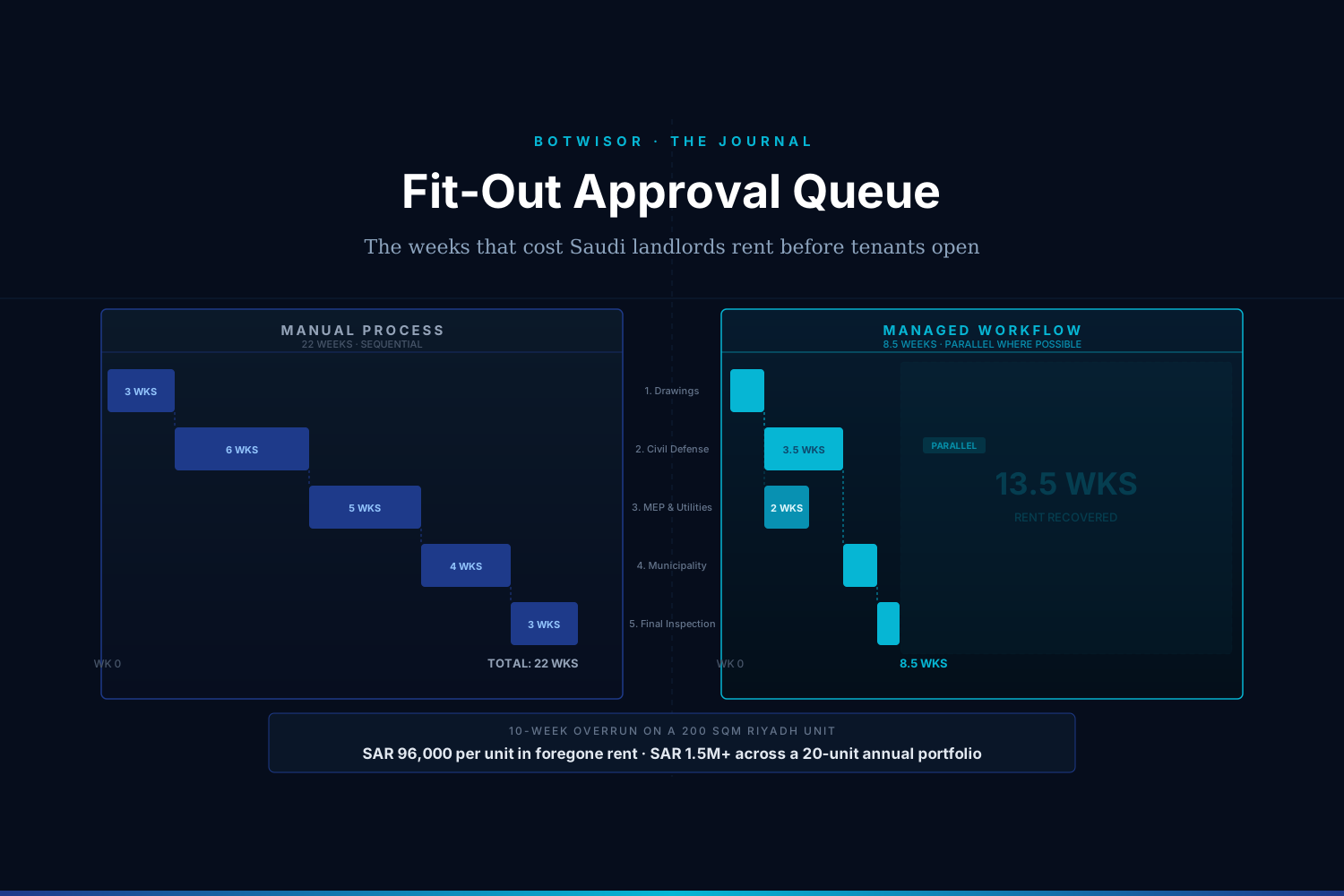
Saudi commercial landlords lose 8 to 12 weeks of rent on each new tenant while fit-out approval requests move through inboxes with no owner and no deadline.
Real estate & constructionFit-Out ManagementBefore After
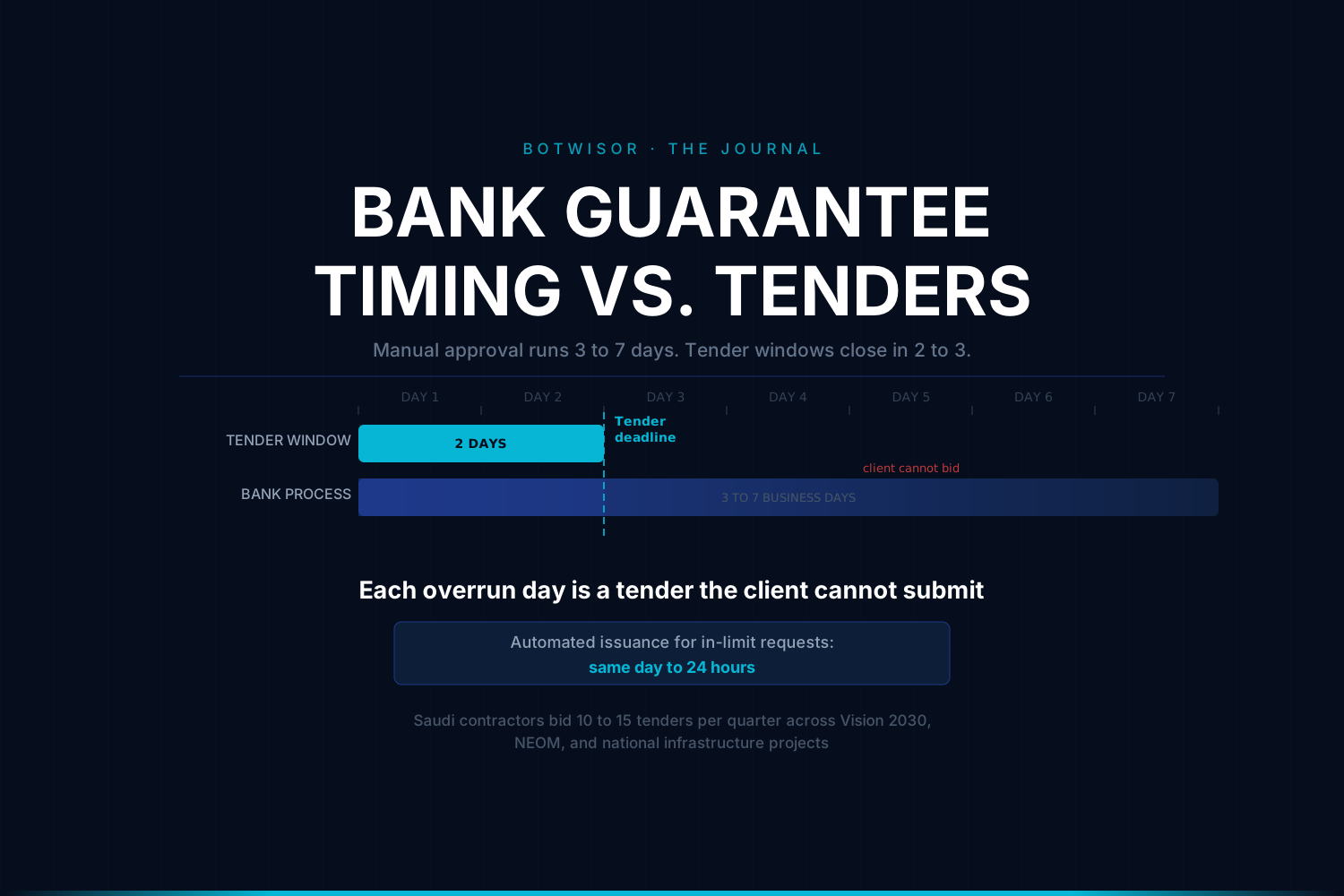
When a bank guarantee takes five days to issue and a tender closes in three, the client cannot comply. Saudi banks still process most guarantee requests through email chains and sequential manual reviews that tender authorities will not wait for.
Financial services & bankingBank GuaranteesCost of inaction
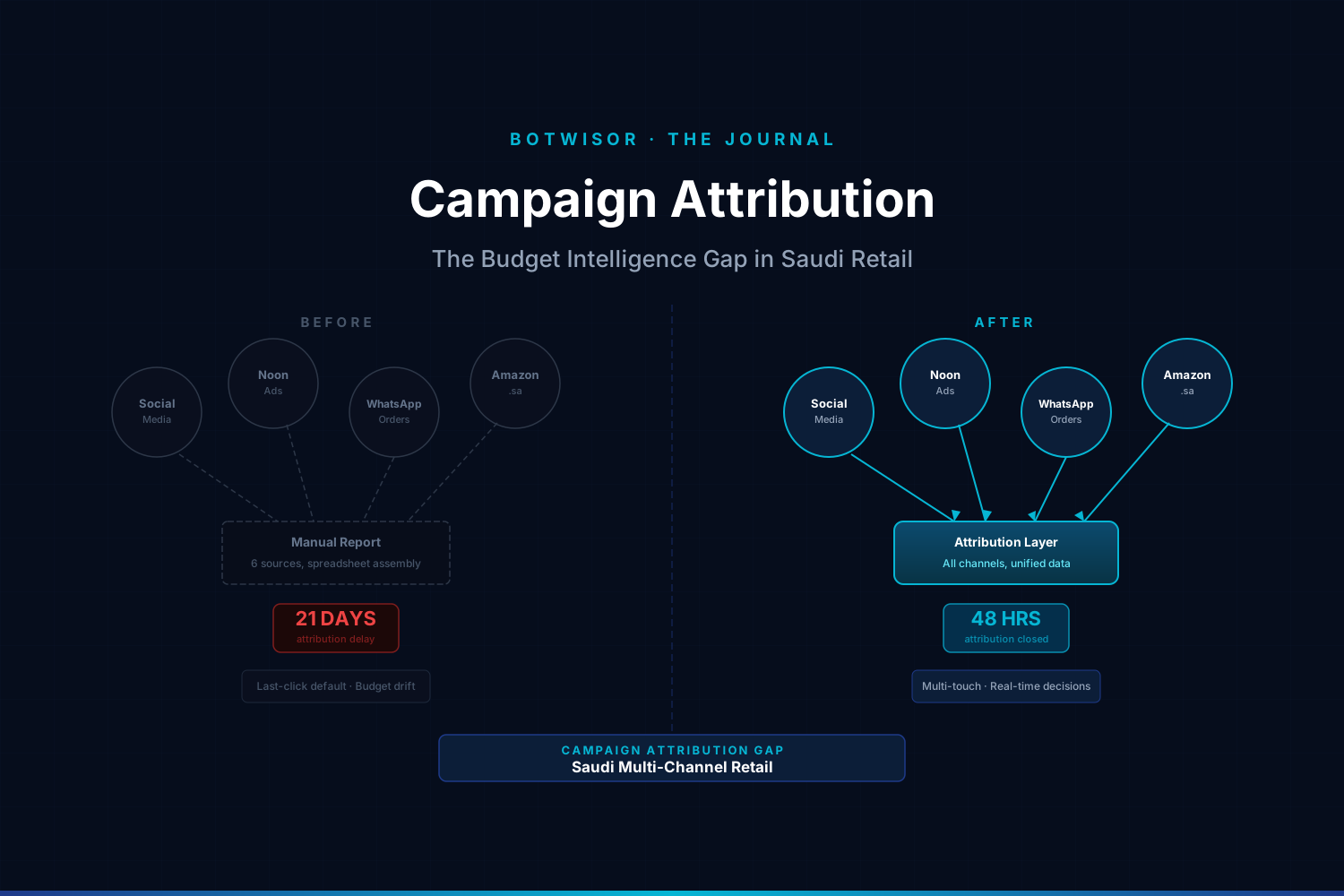
Saudi retailers spend millions on Ramadan and National Day campaigns yet cannot measure which channel drove each sale until weeks after the campaign closes. The attribution gap misallocates spend every promotion cycle.
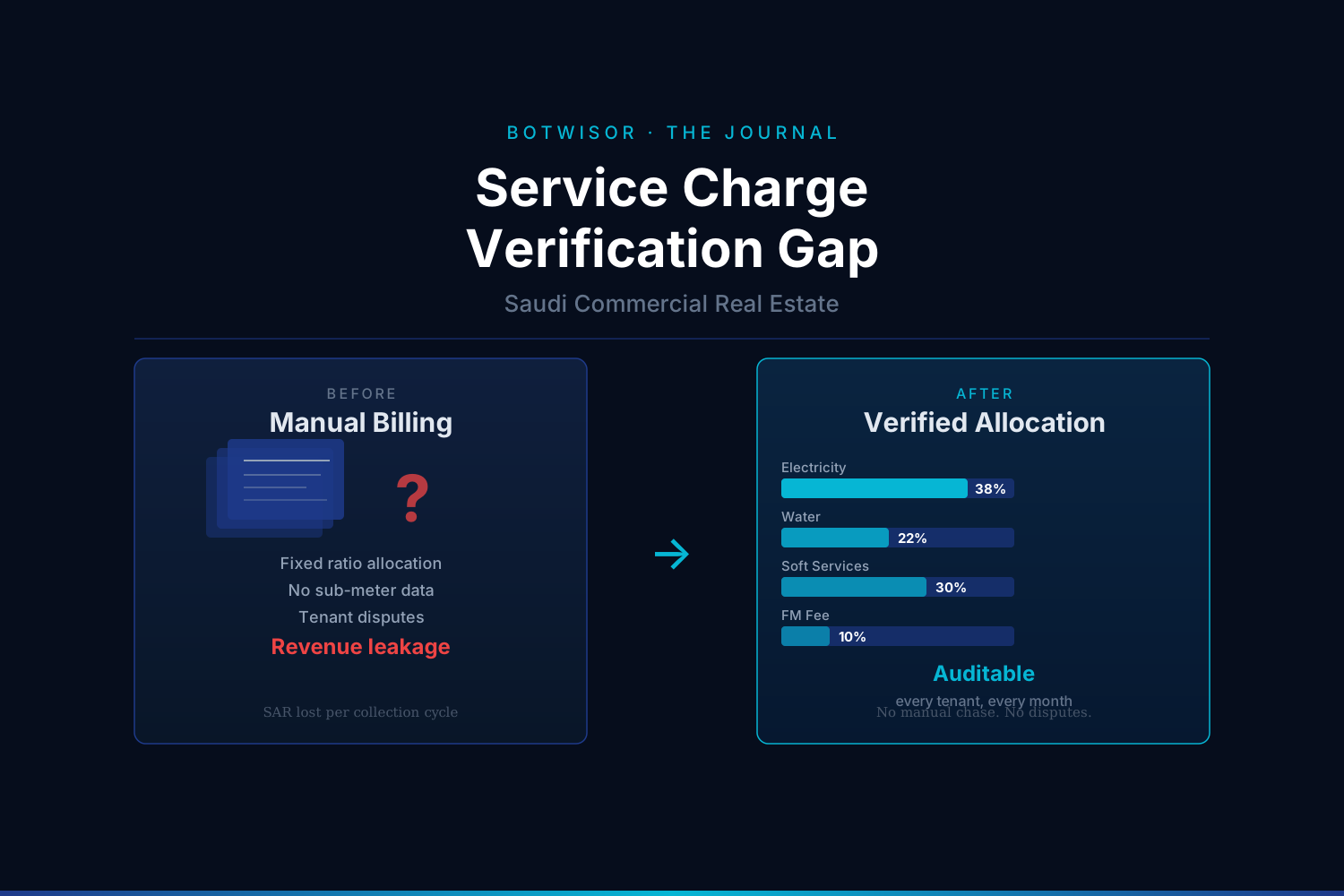
Saudi commercial landlords face mounting tenant disputes over service charges billed without a verified cost breakdown. The gap costs more than the invoice itself.
Real estate & constructionCommercial LandlordsAutomation
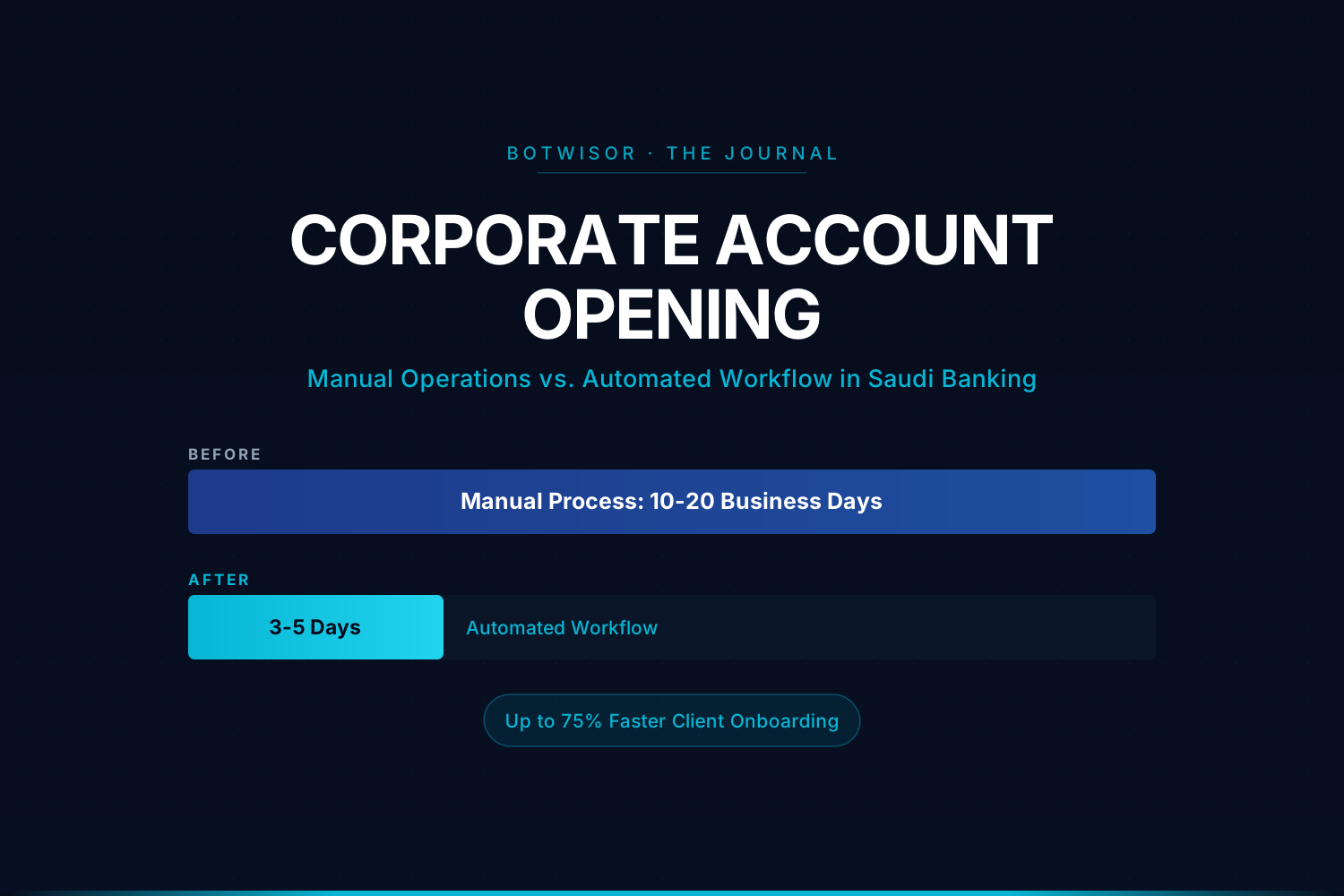
Opening a corporate account in Saudi Arabia takes 10 to 20 business days at most mid-size banks. Clients experience it as repeated document requests and branch visits. The bank experiences it as a staffing cost it has learned to accept.
Financial services & bankingCorporate bankingCost of inaction
Saudi off-plan developers wait six to ten weeks after milestone completion before the escrow tranche arrives. That gap is an ops cost, not a structural one.
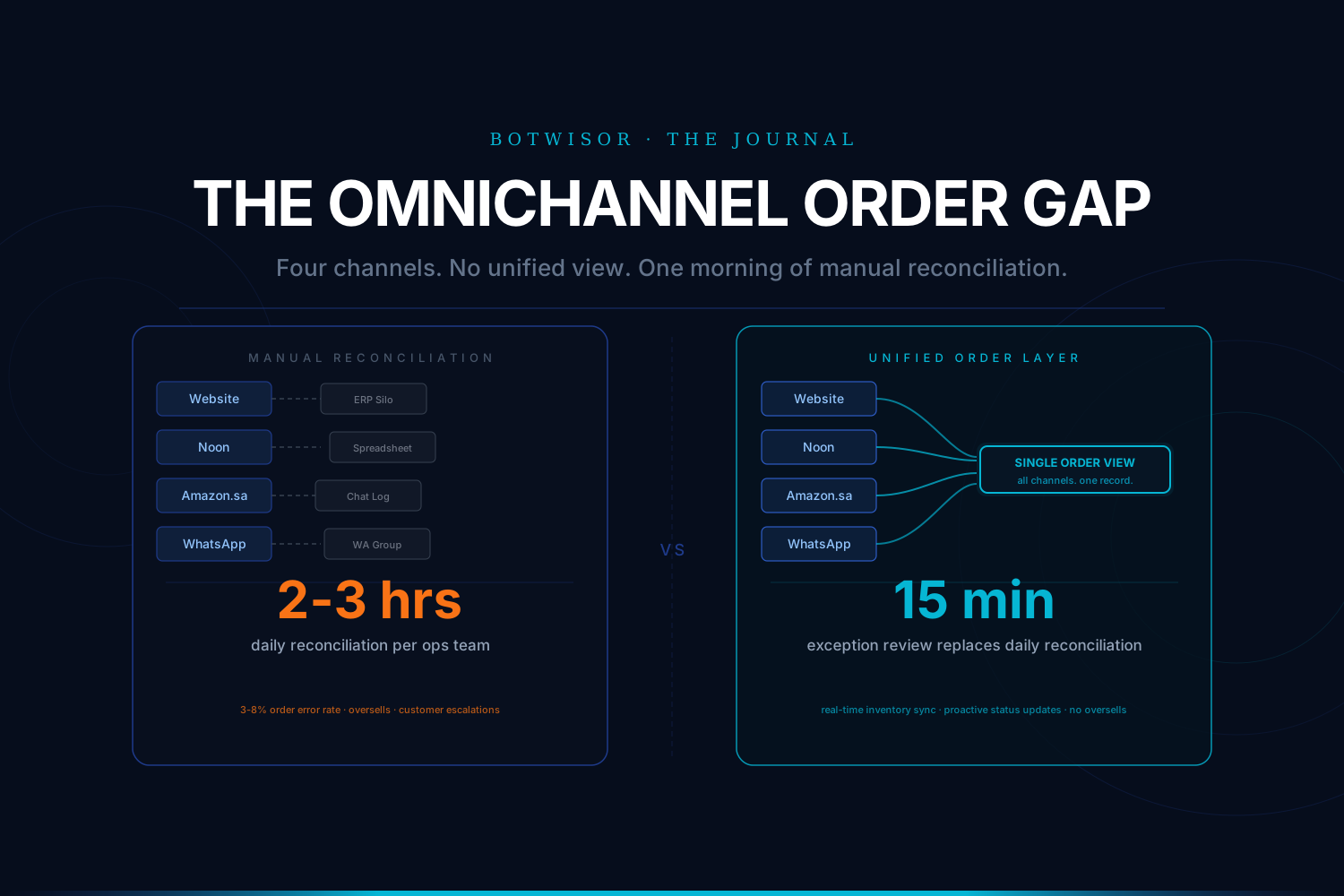
Saudi multi-channel retailers have no unified order view. Manual reconciliation costs hours daily and suppresses repeat buyers. Here is what the gap costs and what changes.
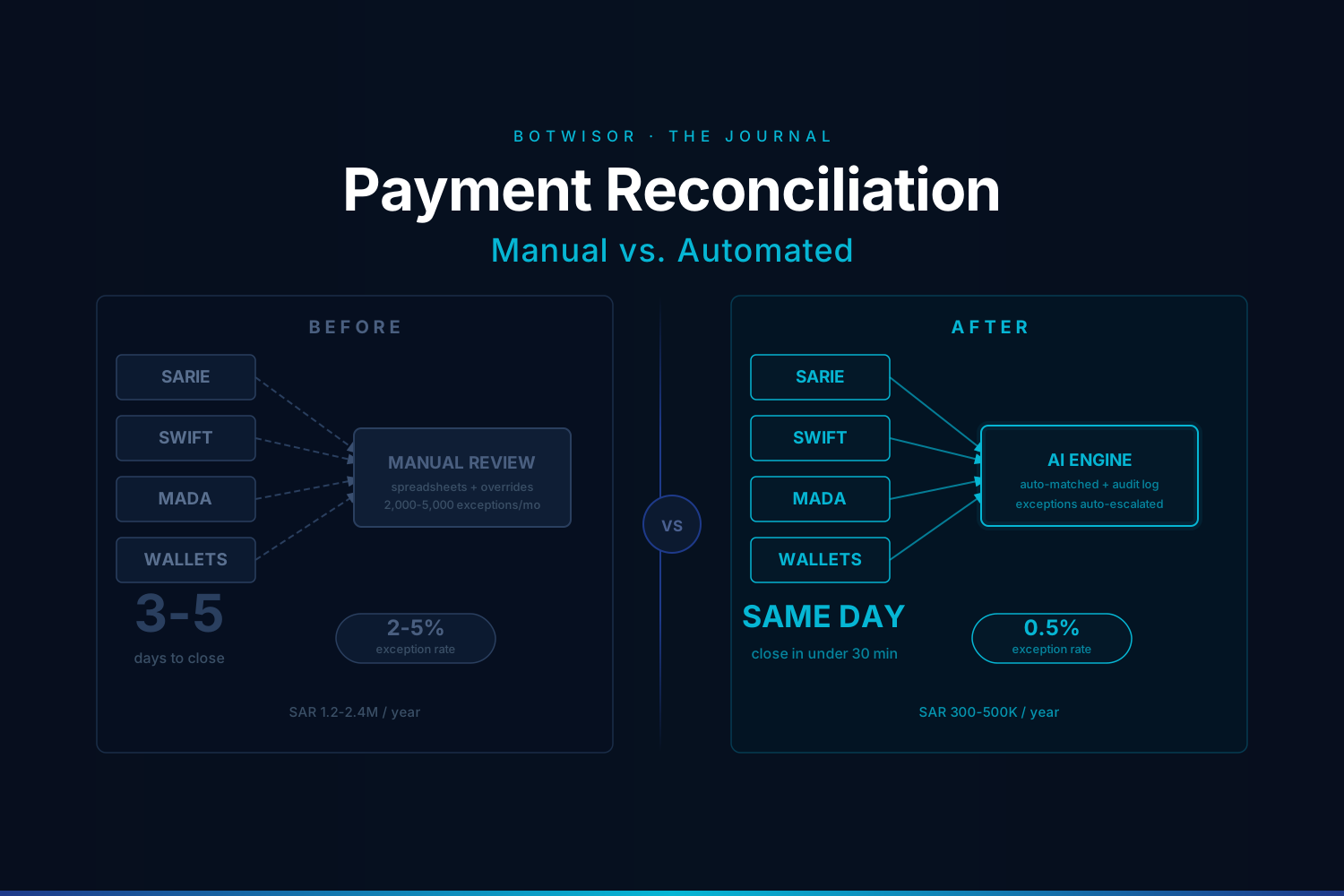
Saudi banks reconcile SARIE, SWIFT, MADA, and wallet transactions manually at month-end. The payroll cost is visible; the float, write-off, and audit exposure losses are not.
Financial services & bankingPayment operationsCost of inaction
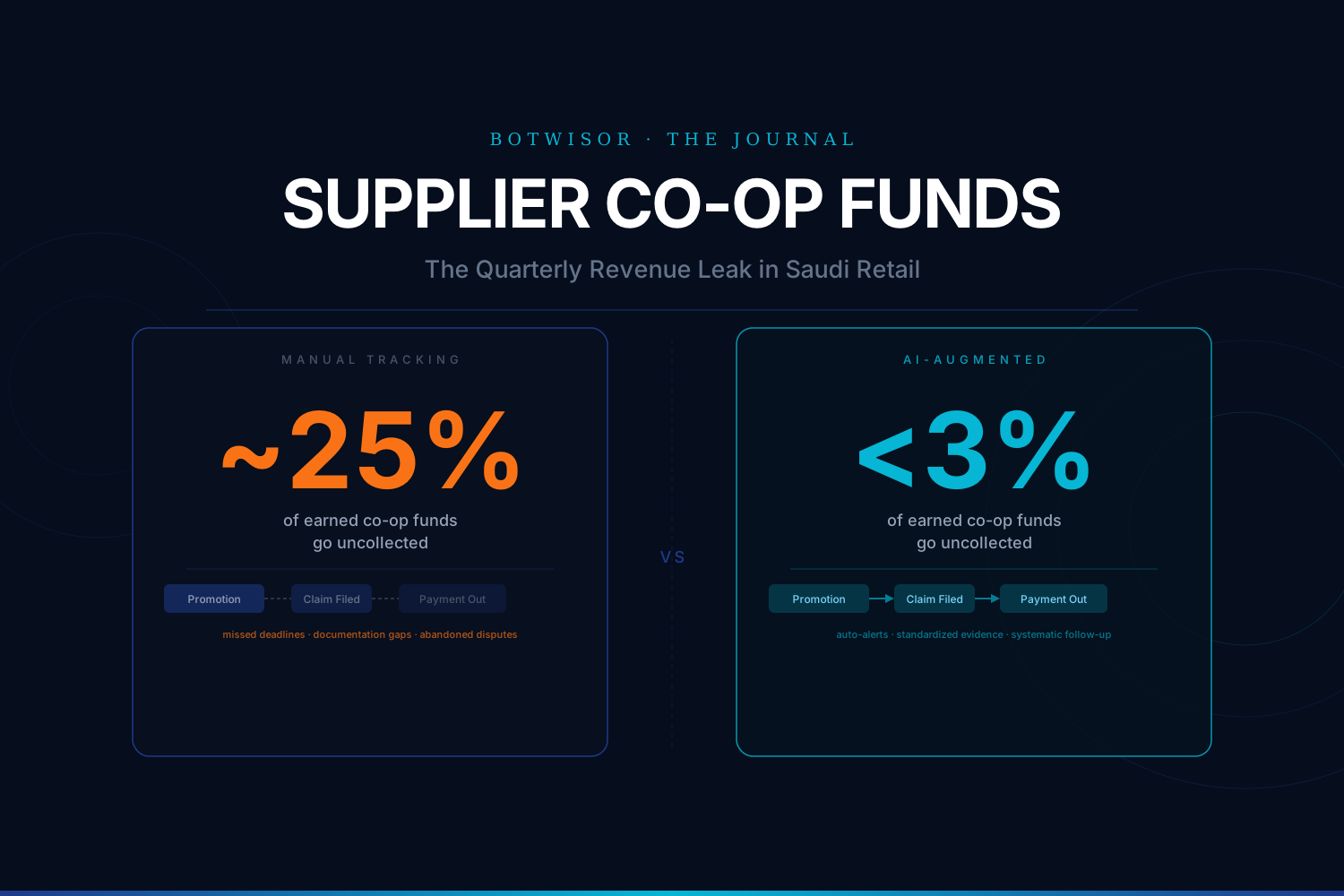
Saudi retailers run supplier promotions and wait to be paid. Manual claim tracking lets co-op funds expire uncollected. Here is what changes and how much.
Retail & e-commerceTrade PromotionsCommercial Income
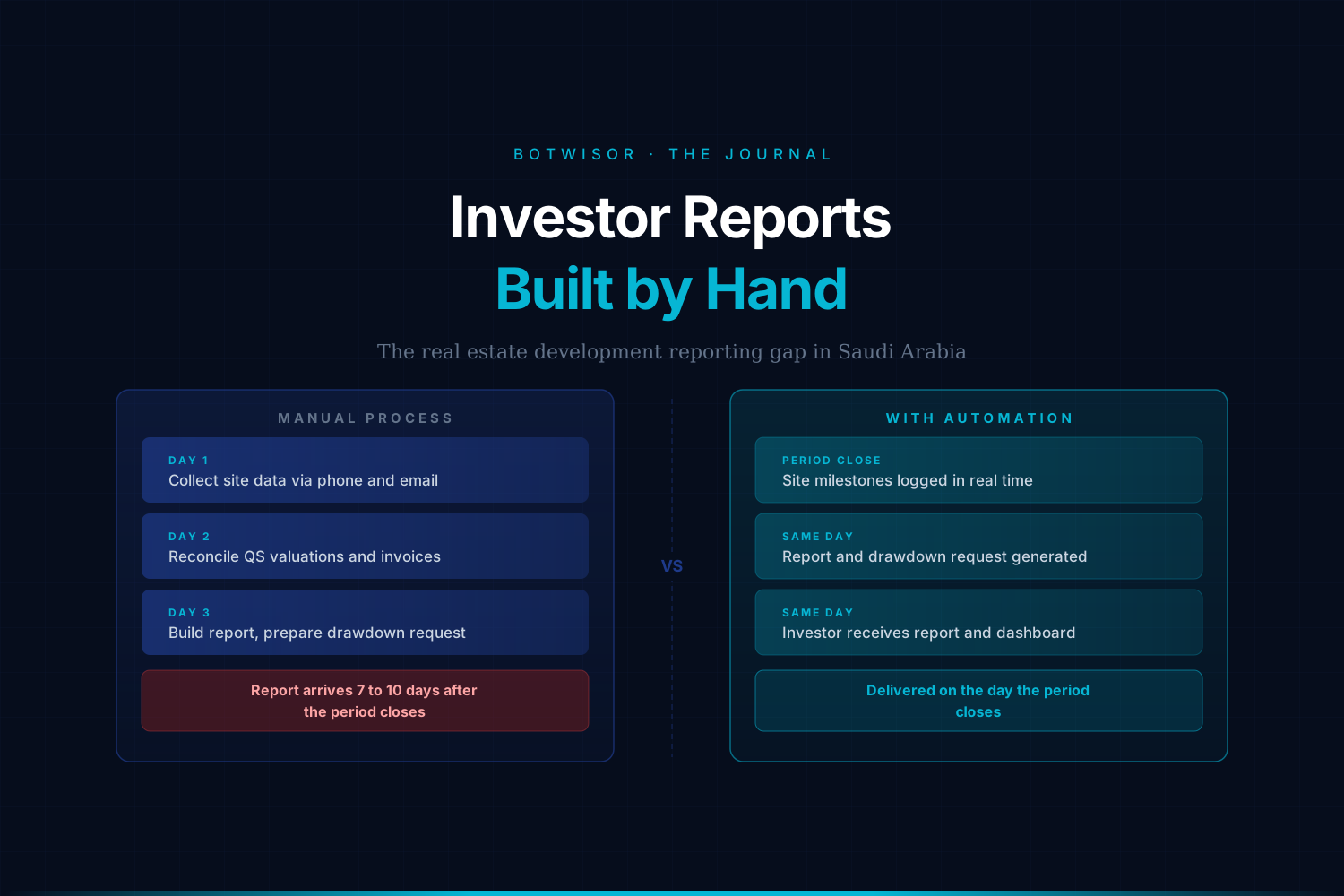
Saudi developers building investor reports manually lose three working days per project cycle to report assembly. The delay pushes drawdowns and erodes confidence across the capital stack.
Real estate & constructionInvestor reportingBefore/After
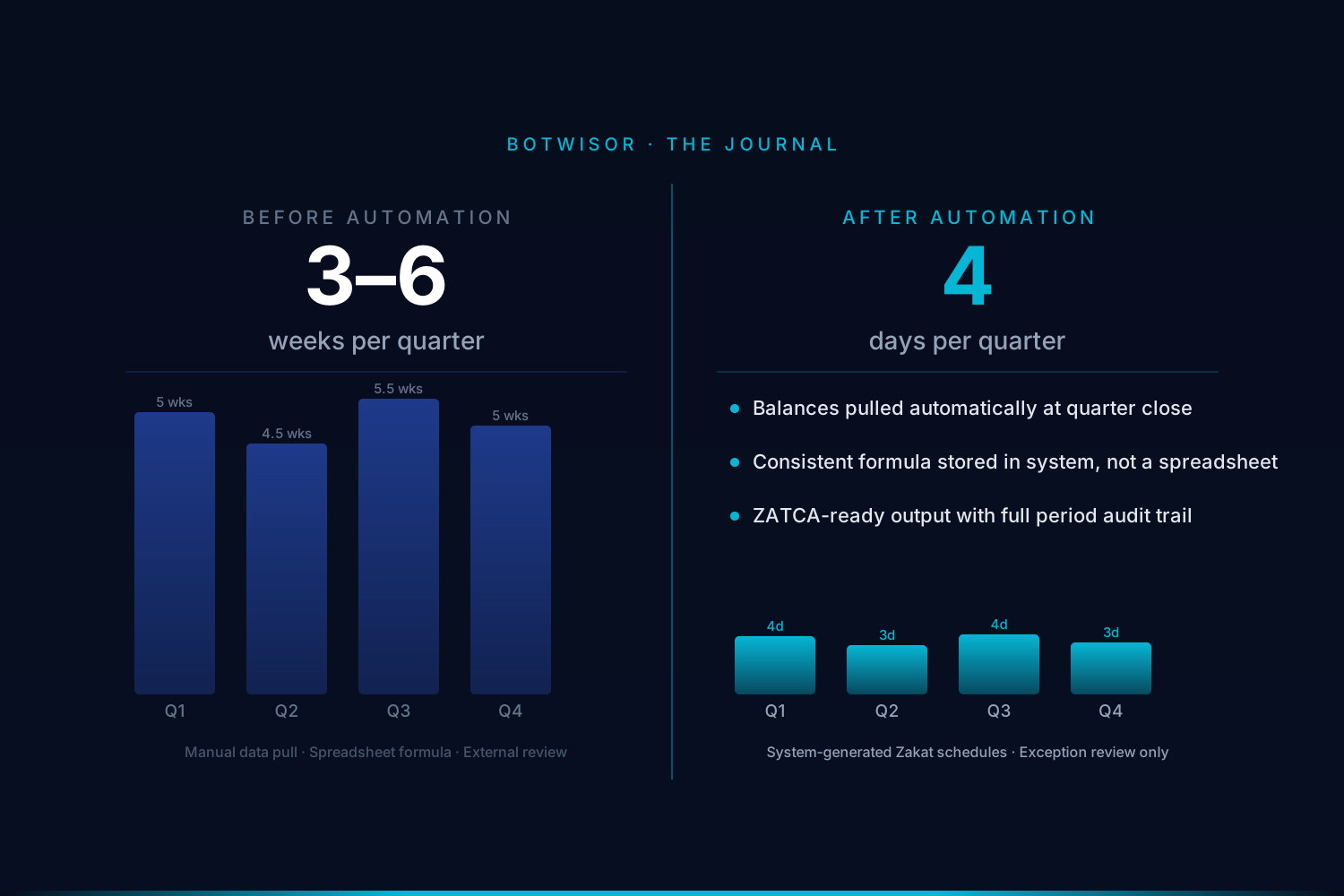
Saudi banks rebuild their Zakat position from scratch every quarter because no system maintains a continuous ledger. Here is what that costs, and what changes when automation takes it over.
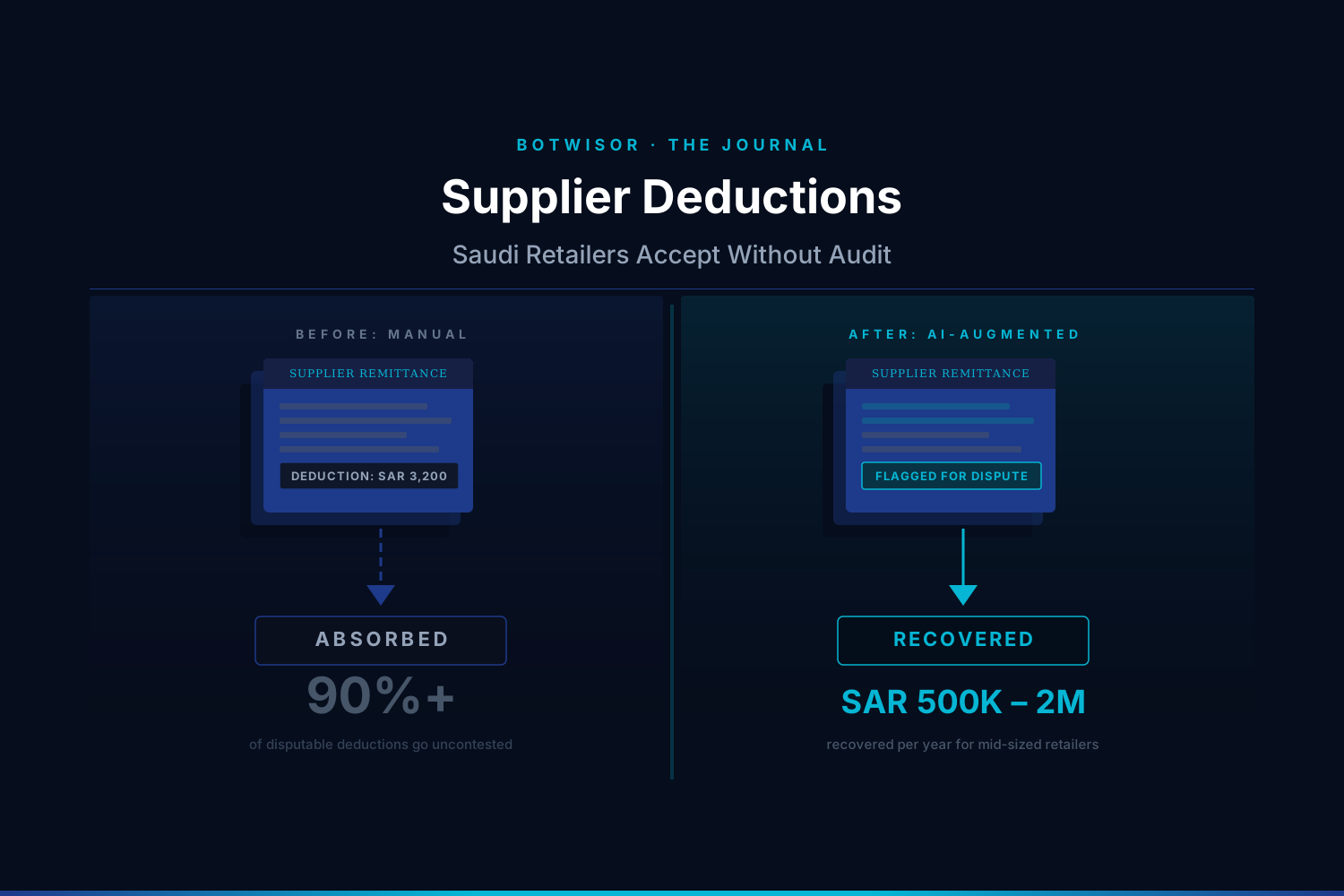
Saudi retailers absorb supplier deductions without audit because manual AP teams cannot match them in time to dispute. Here is the cost and what changes.
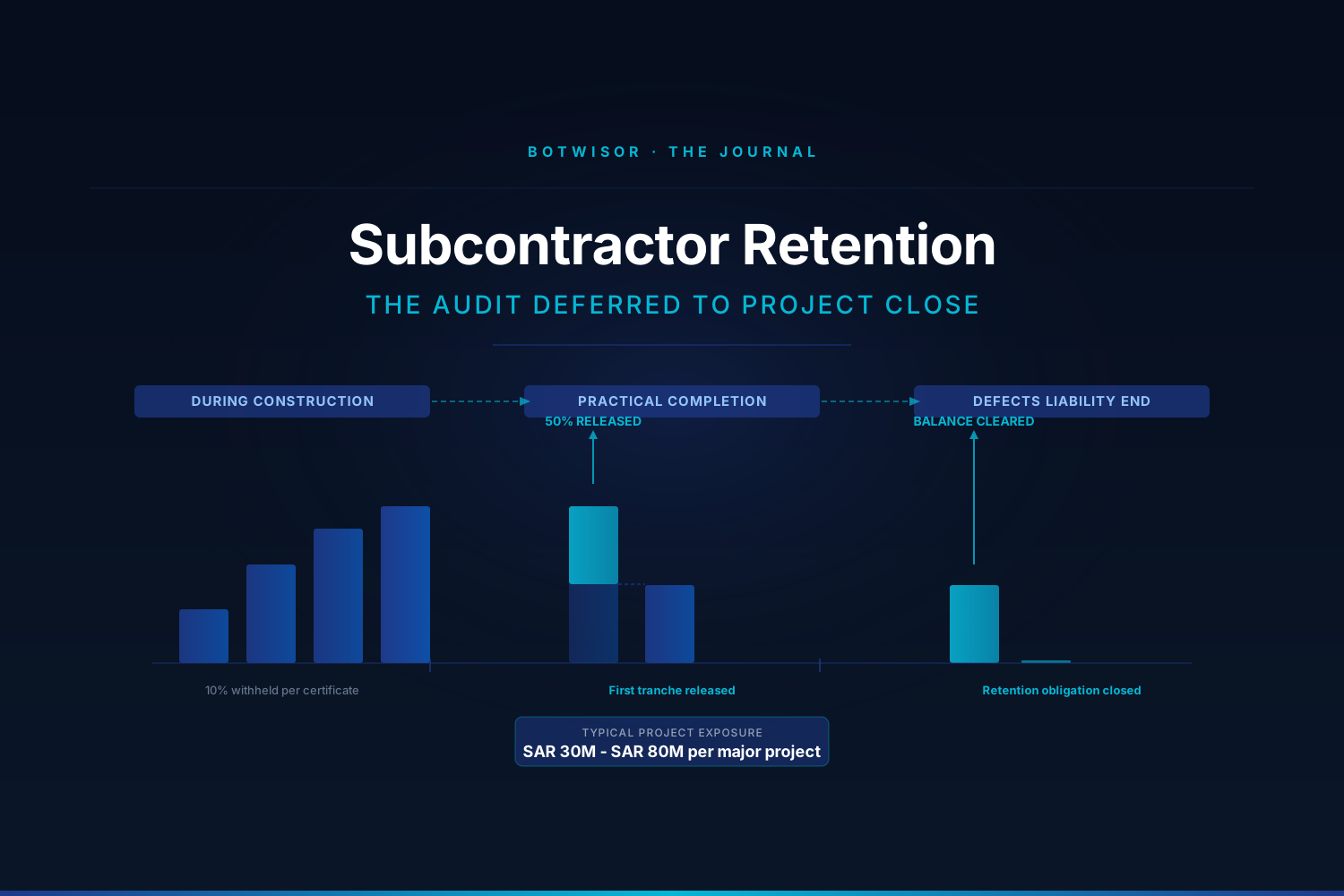
Saudi construction developers withhold 10% retention from every subcontractor payment across dozens of contracts. Most defer formal reconciliation until project close, when disputed figures and missed release milestones have already made the problem significantly more expensive to resolve.
Real estate & constructionProject financeBefore/After
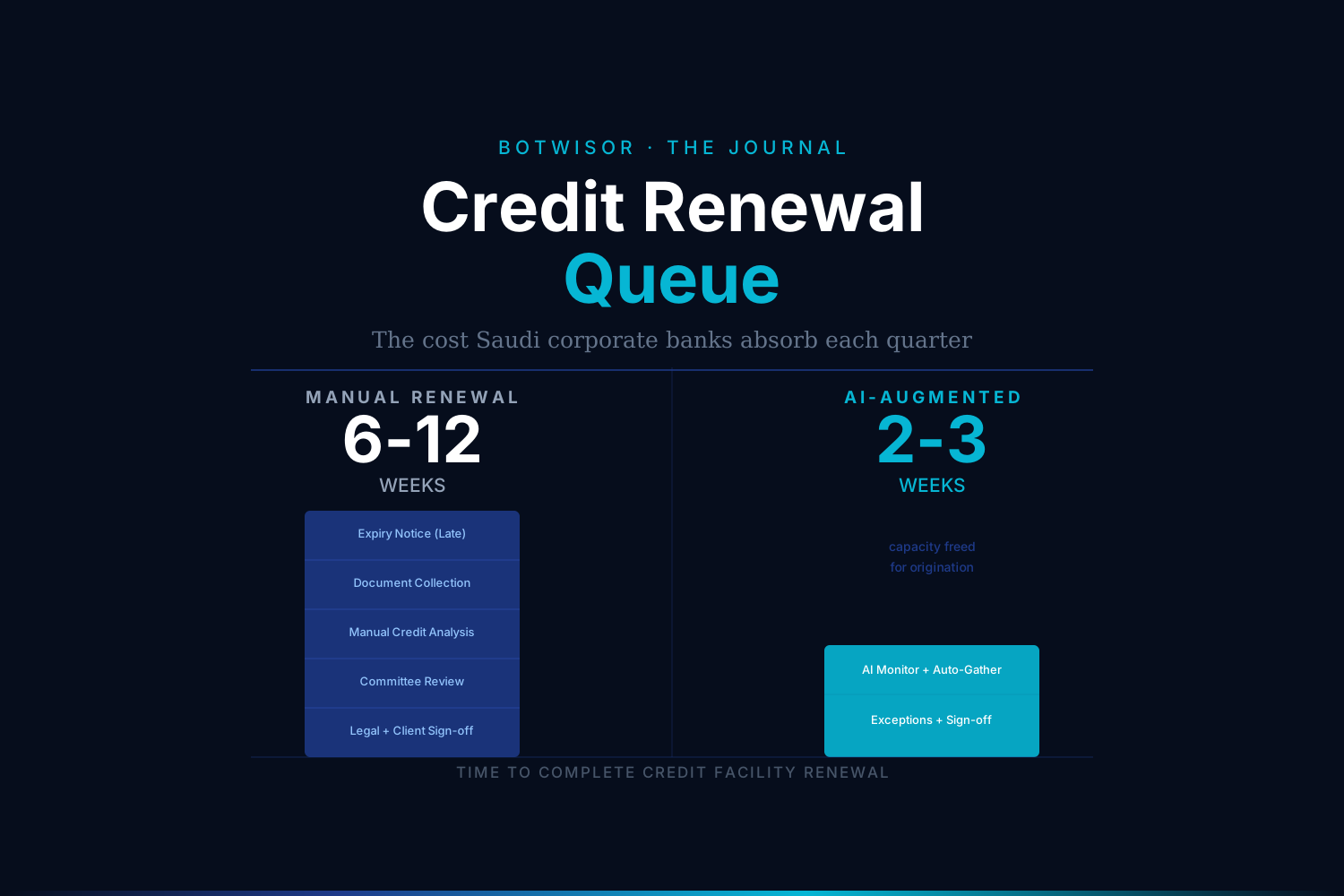
Saudi bank credit facility renewals take 6-12 weeks manually. The queue costs RM time, client trust, and the upsell window that renewal was designed to open.
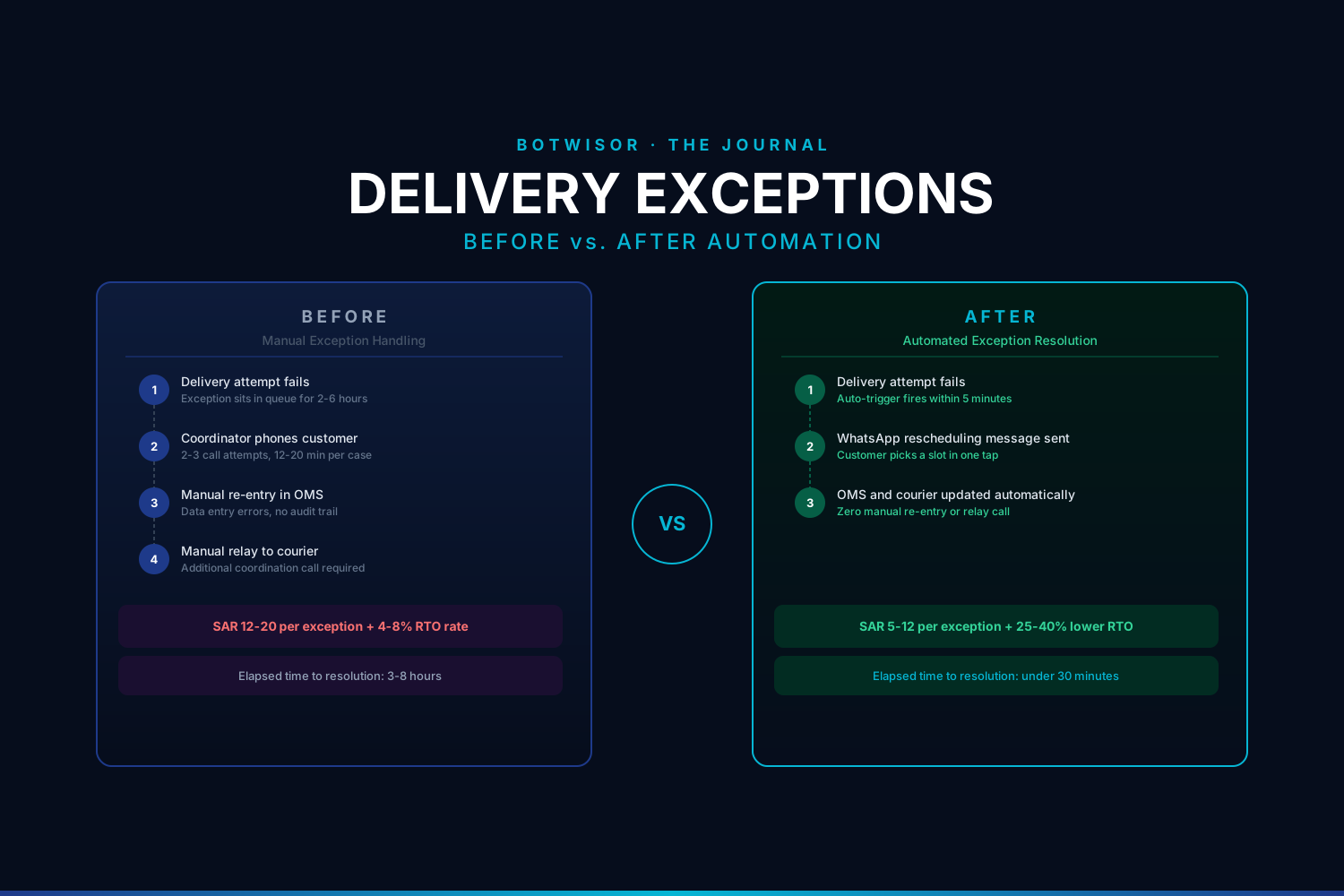
A failed delivery creates a coordinator task at most Saudi e-commerce operations. Here is what the manual queue costs and what automated resolution changes.
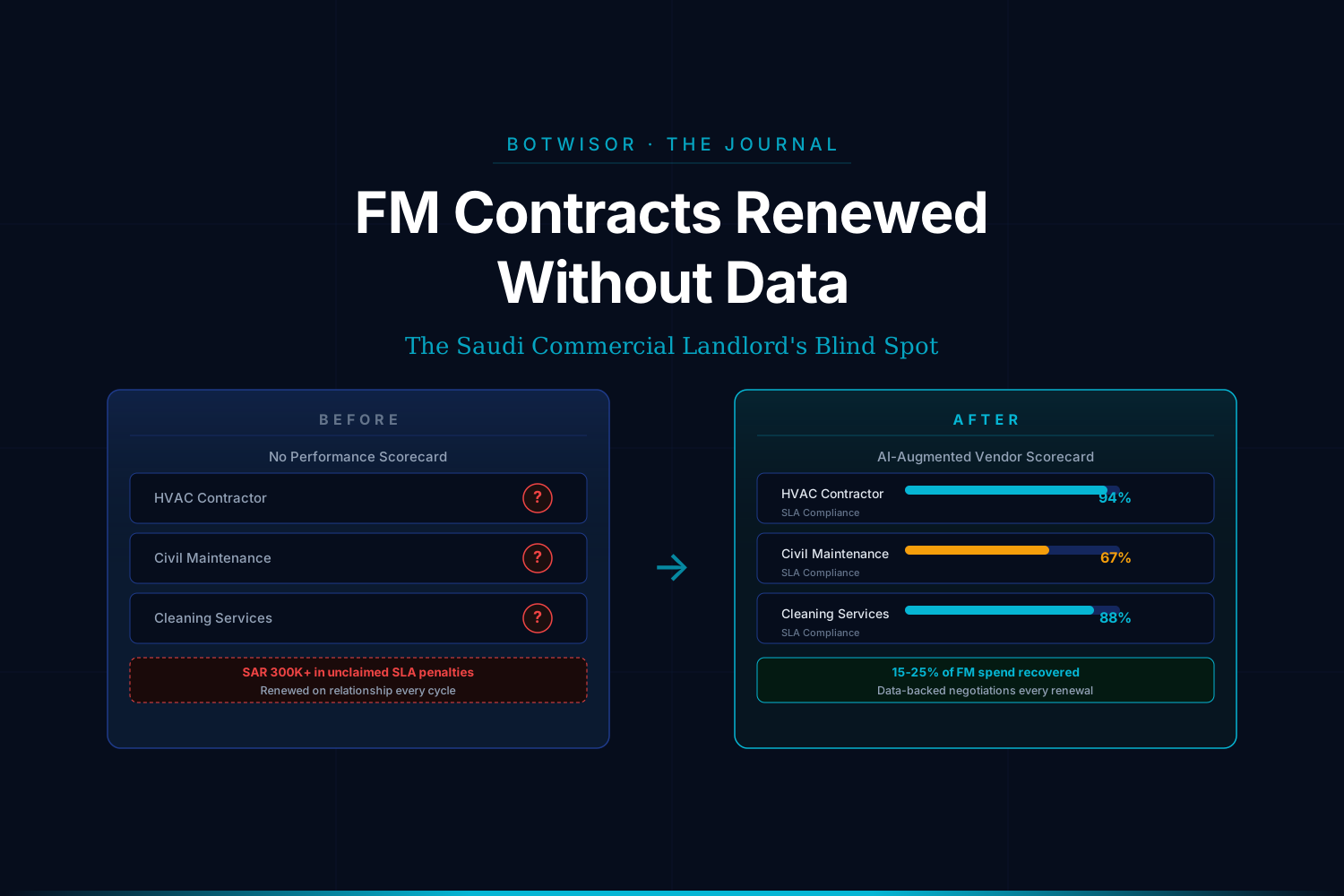
Saudi commercial landlords renew FM contracts on relationship, not data. SLA penalties go unclaimed and renewal negotiations favor underperforming vendors over the asset owner.
Real estate & constructionFacility ManagementOperational Efficiency
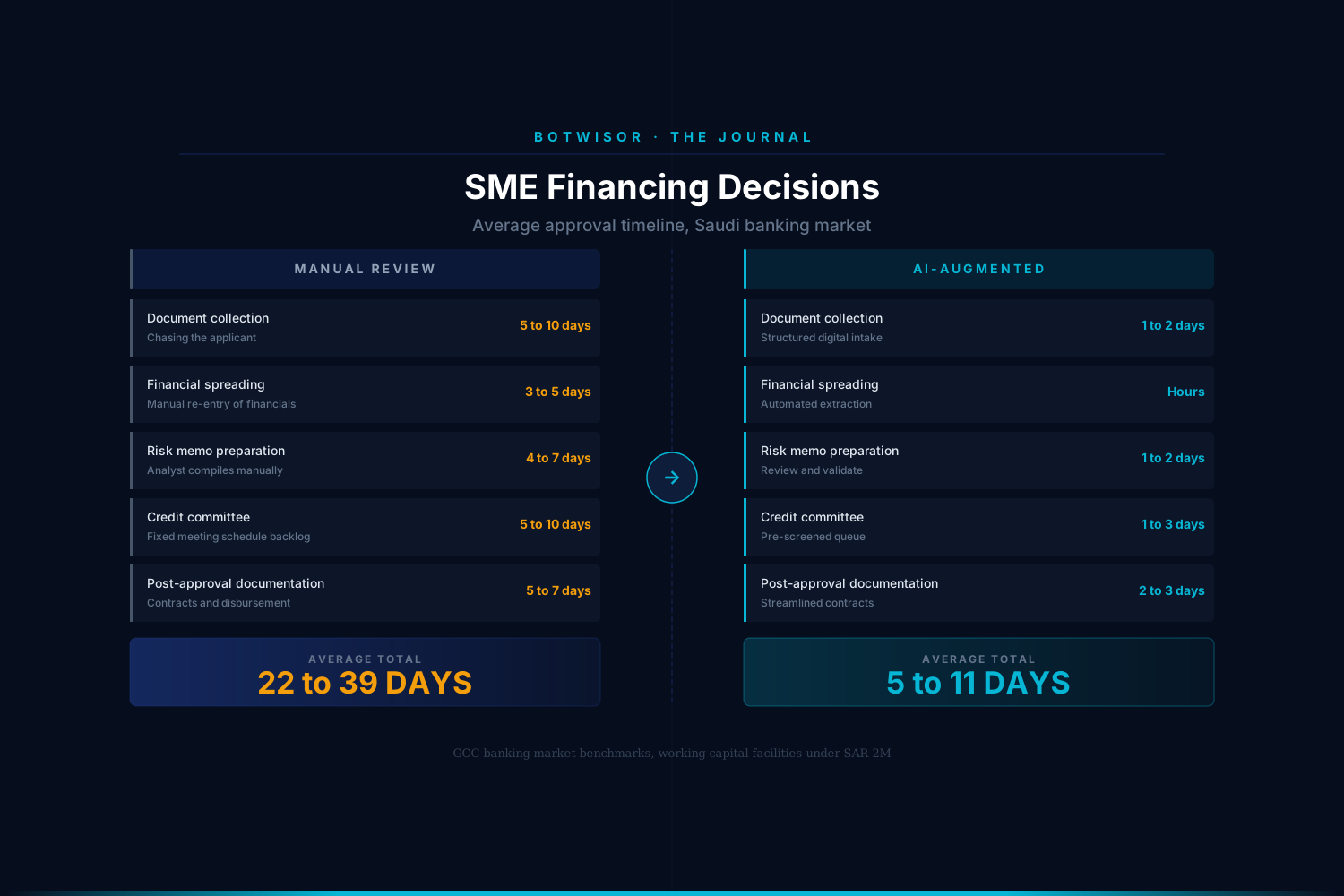
Saudi banks take three to six weeks to process an SME financing application. By the time a credit committee convenes, many applicants have already moved on. The wait itself is the attrition event.
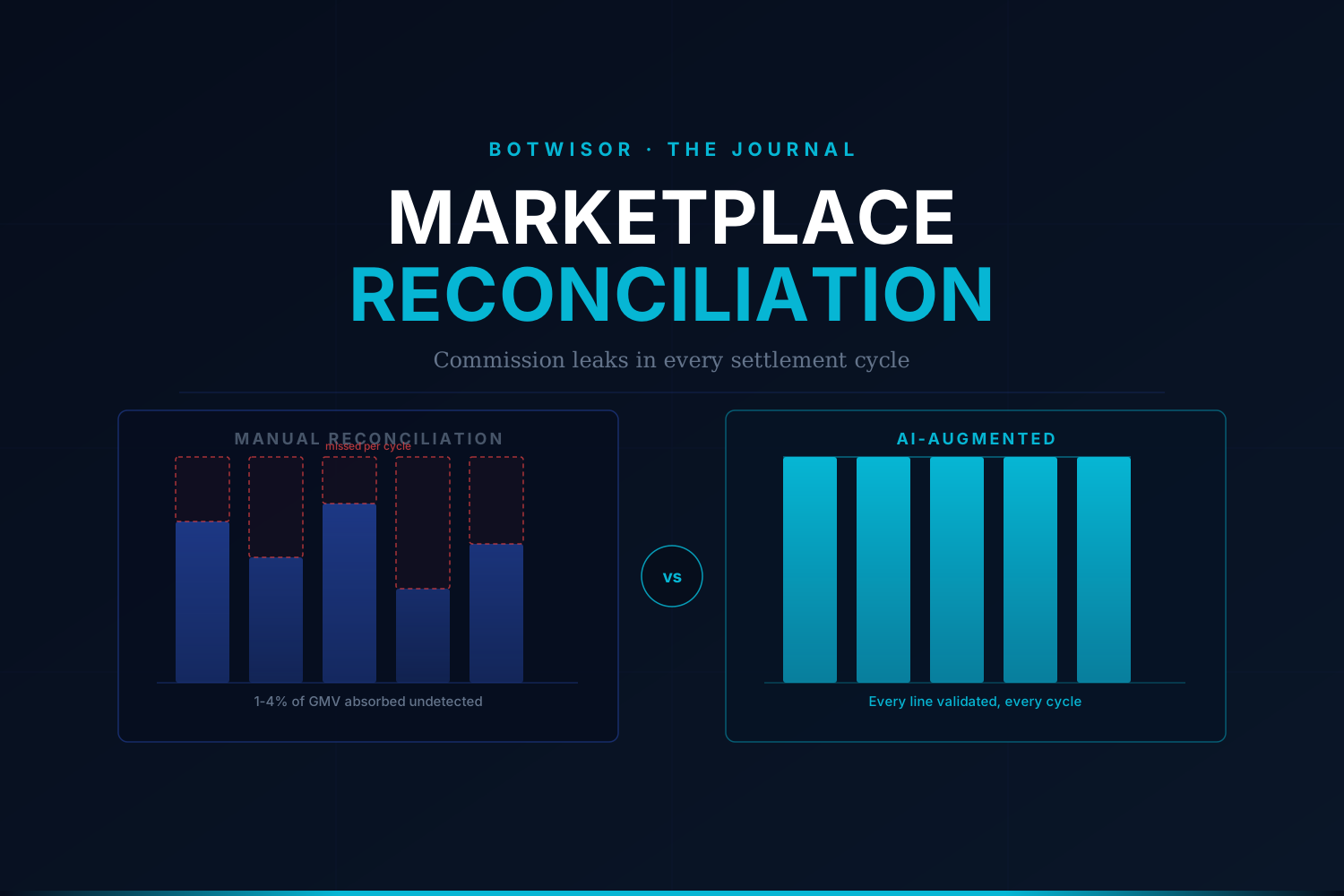
Every settlement cycle on Noon or Amazon.sa leaves Saudi retailers with unreconciled fees and missed credits that manual processes cannot surface at scale.
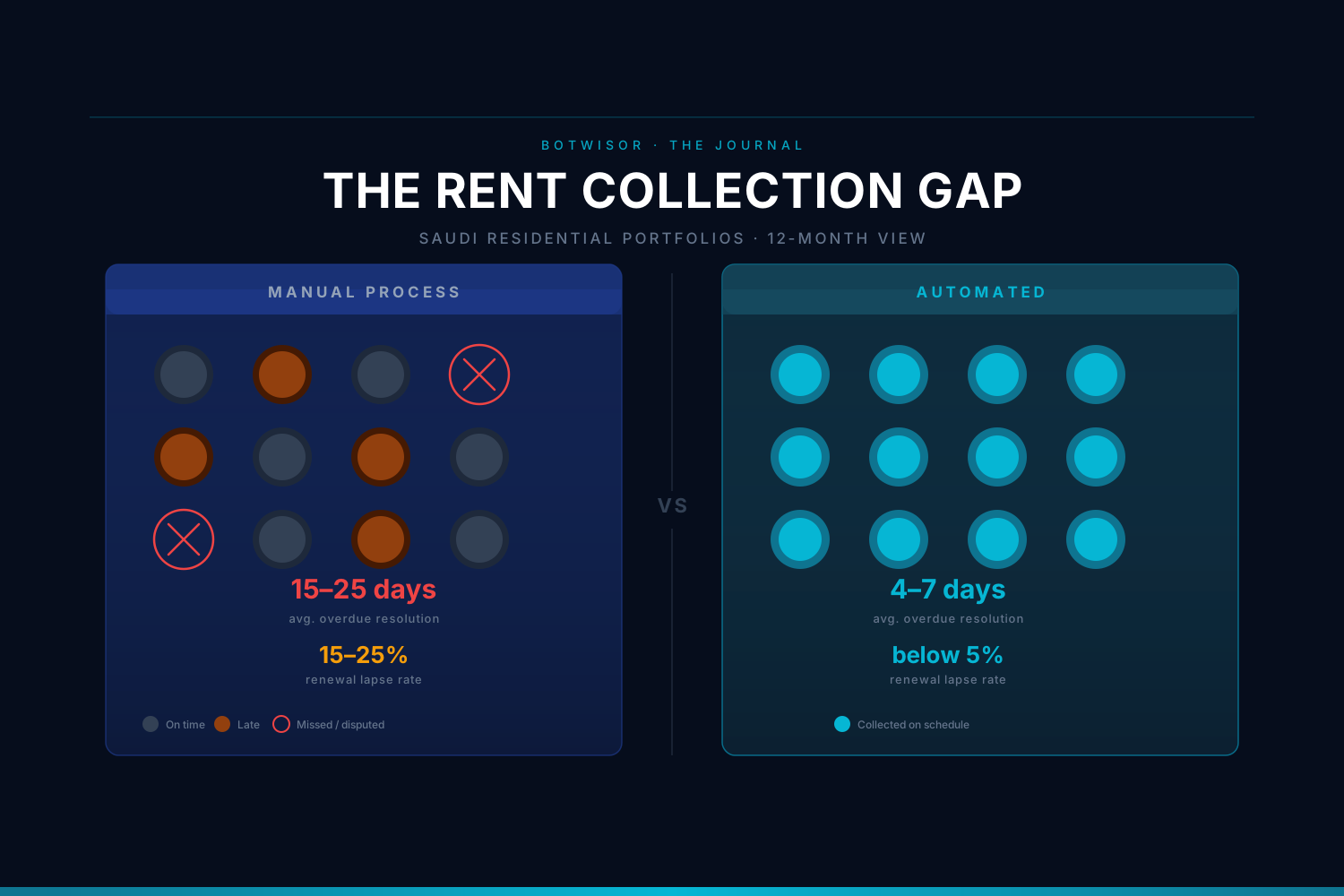
Saudi residential landlords managing 20 to 150 units absorb late payments, slow vacancy detection, and renewal lapses as background noise. The yield gap compounds monthly and rarely appears on any report.
Real estate & constructionRent collectionBefore/After
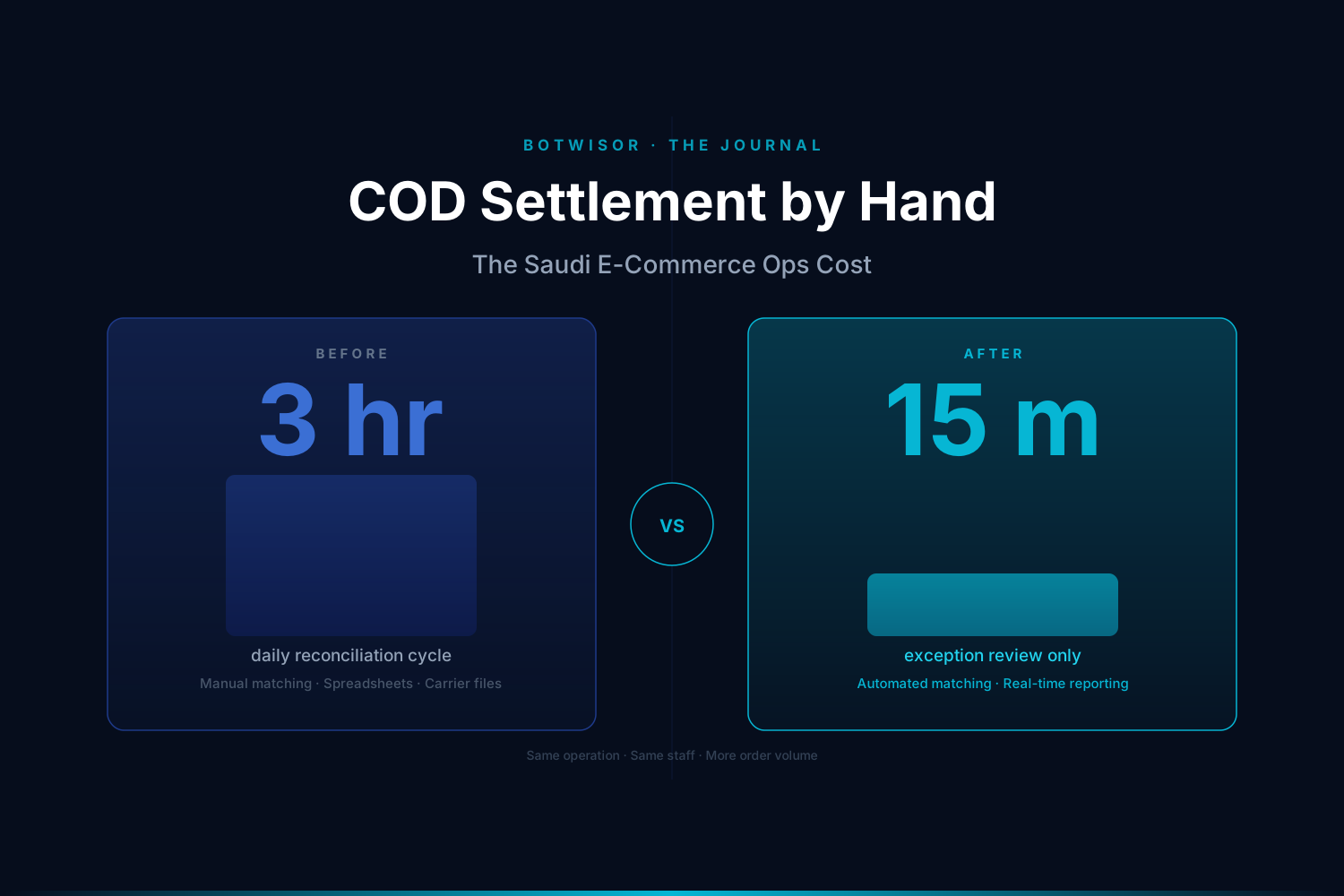
Manual cash-on-delivery settlement costs Saudi e-commerce operations more than most teams track. The daily reconciliation overhead compounds with order volume and grows alongside the business.
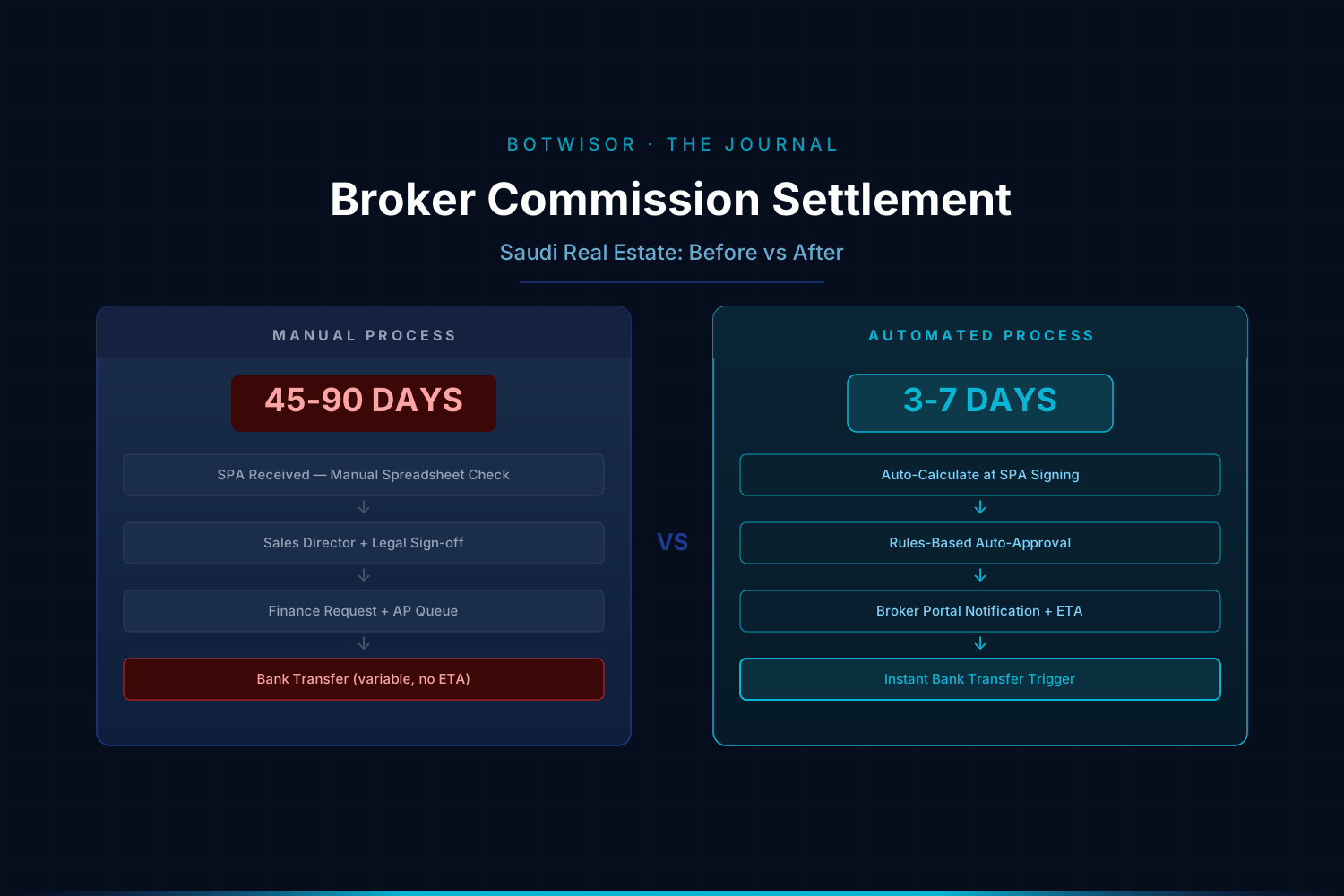
Saudi developers pay broker commissions through manual workflows that take 45 to 90 days to clear. That friction quietly redirects agent capacity to faster-paying competitors and costs future sales that never appear on any report.
Real estate & constructionBroker managementBefore/After
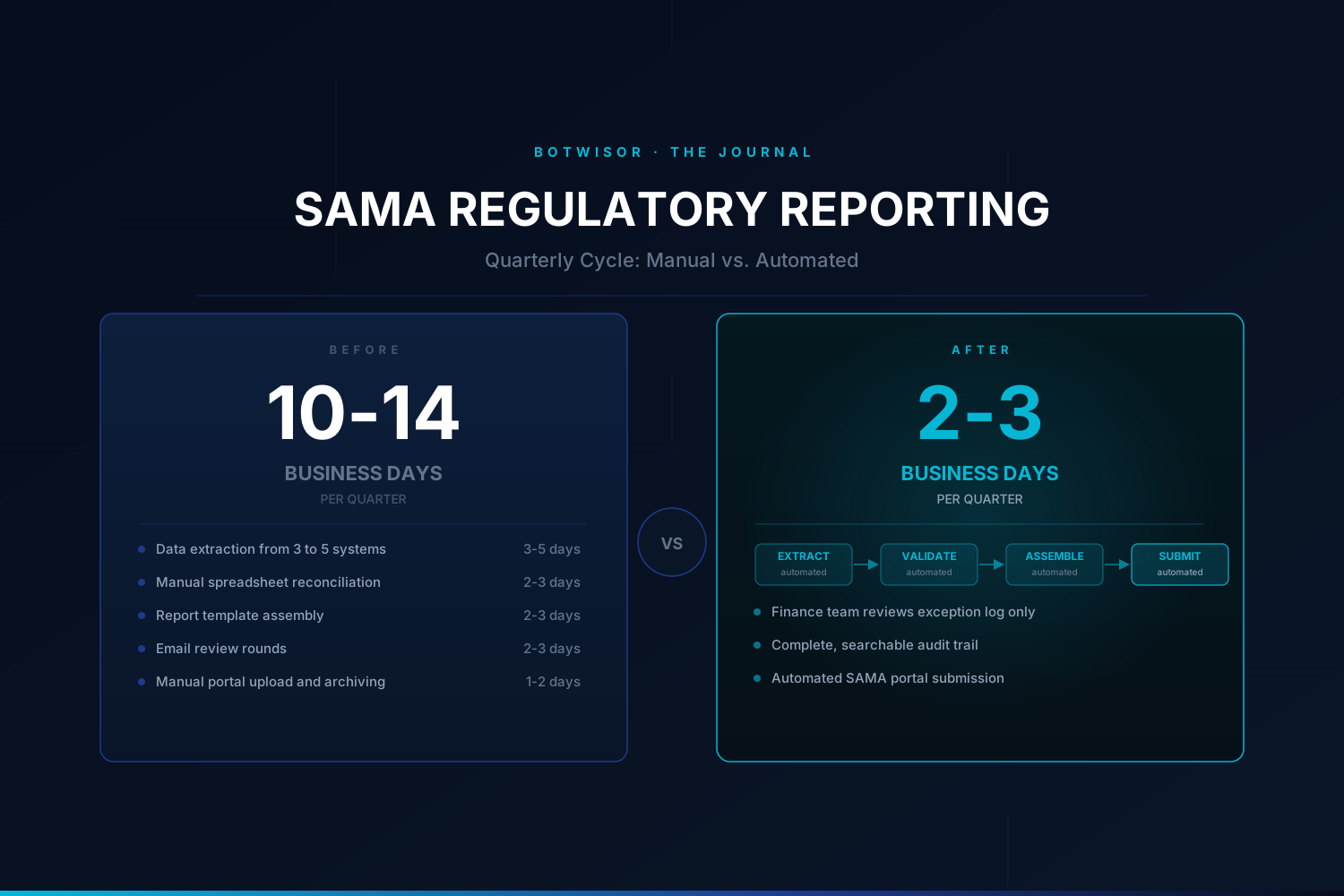
Saudi bank finance teams spend two weeks per quarter building SAMA reports manually. The cost in staff time and submission risk compounds with every cycle.
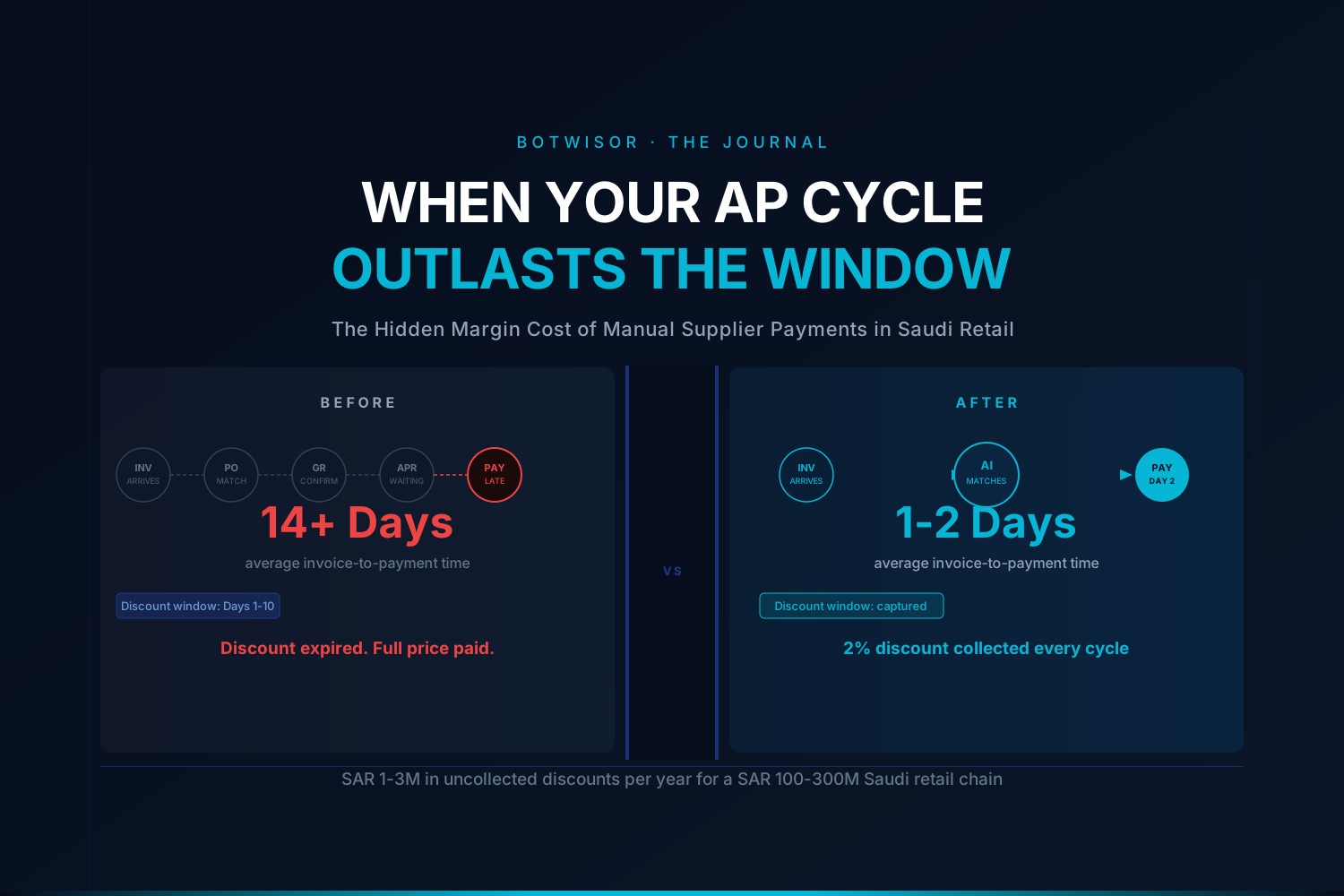
Most Saudi retail chains leave early-payment discounts uncollected because manual invoice queues outlast the discount window. This is a measurable, recurring margin drain, not a one-time accounting error.
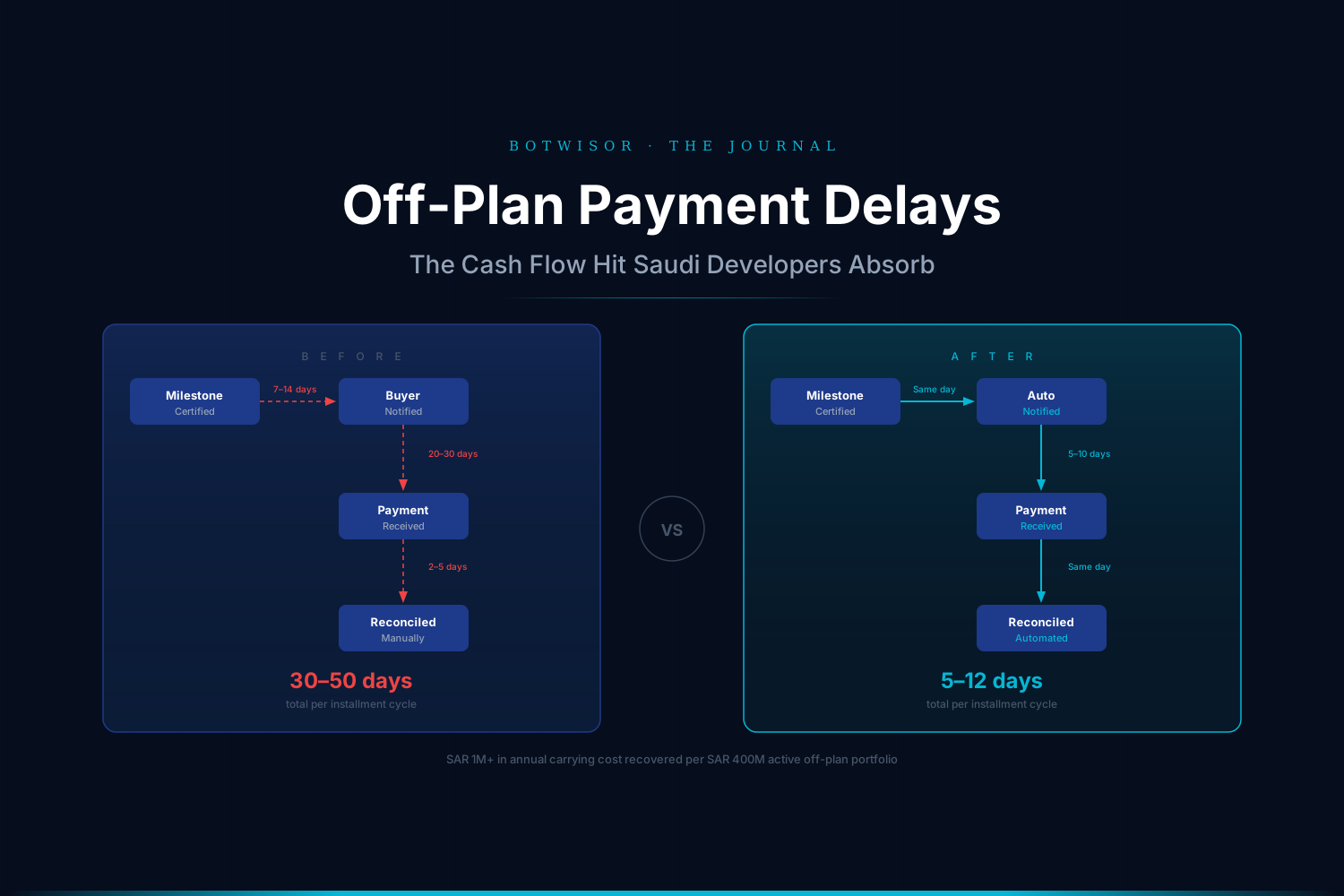
Saudi developers routinely absorb 20 to 30 day payment delays on off-plan installments. Here is what that lag costs and what changes when collection is automated.
Real estate & constructionOff-Plan SalesBefore/After
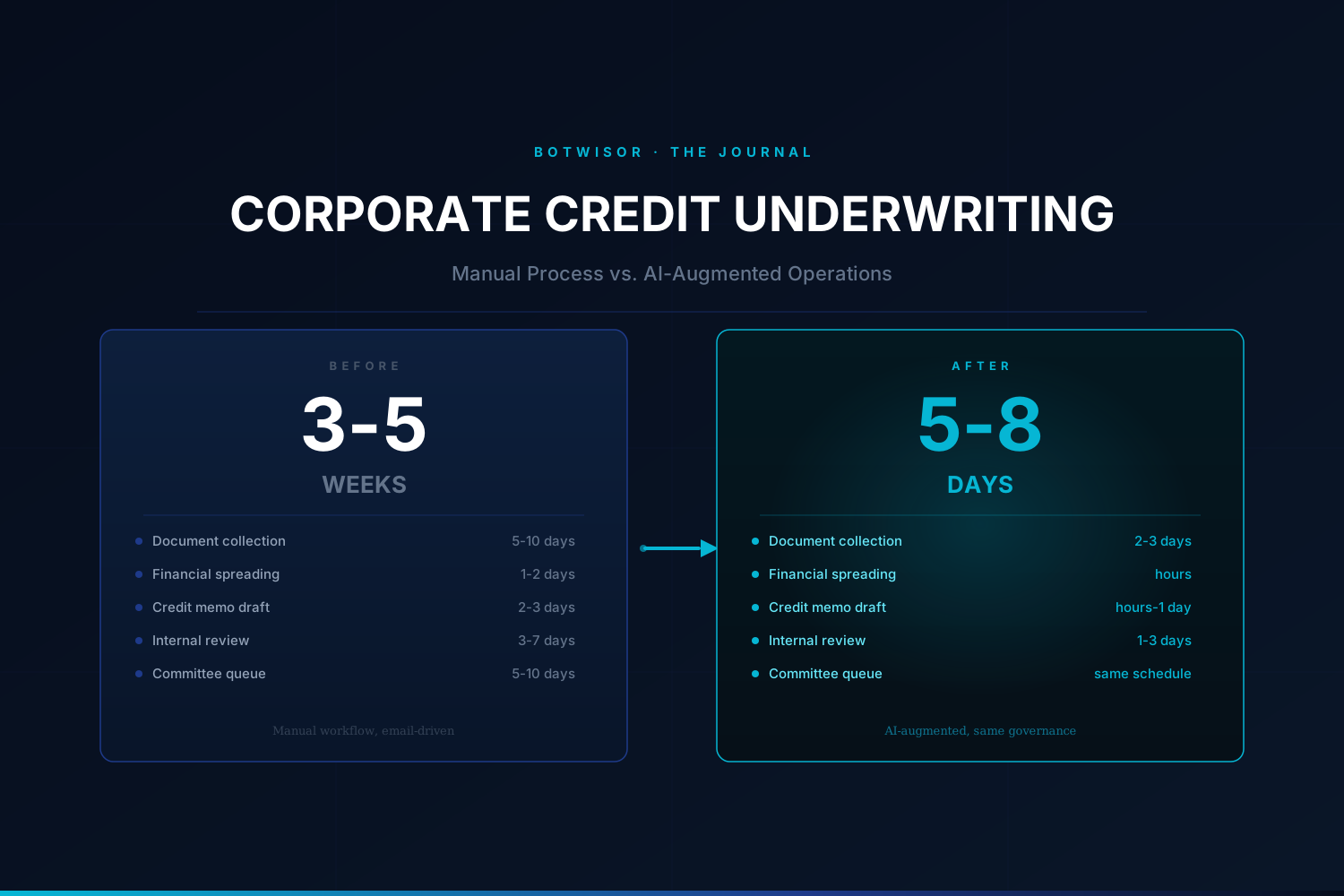
Saudi corporate banks accept 3-to-5-week credit memo cycles as standard reality. The cost accumulates in lost deals, frustrated clients, and analysts buried in work that automation can handle.
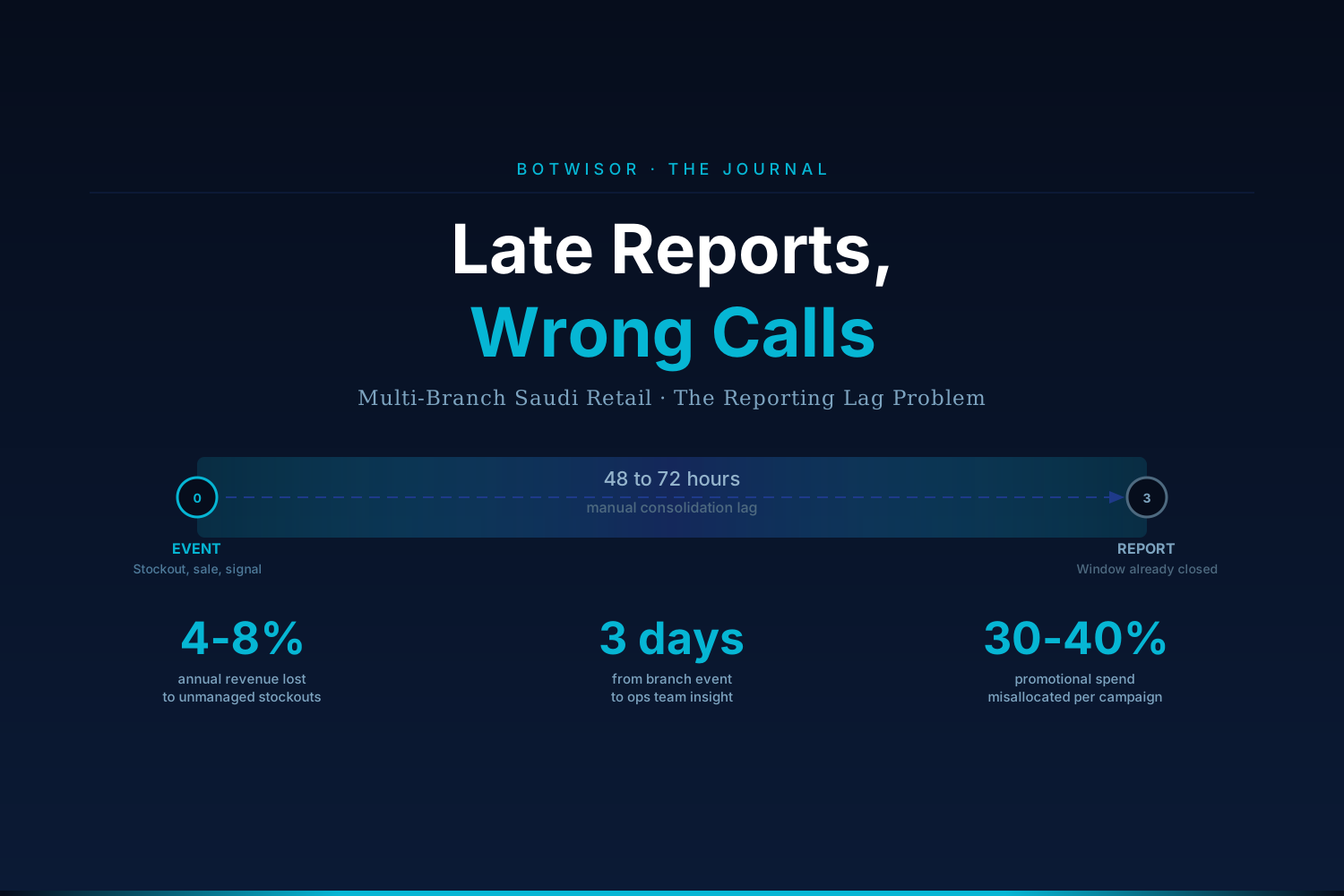
Saudi retail chains operating across multiple branches lose margin every week to a 48-to-72-hour reporting gap. Here is what it costs and what changes when it disappears.
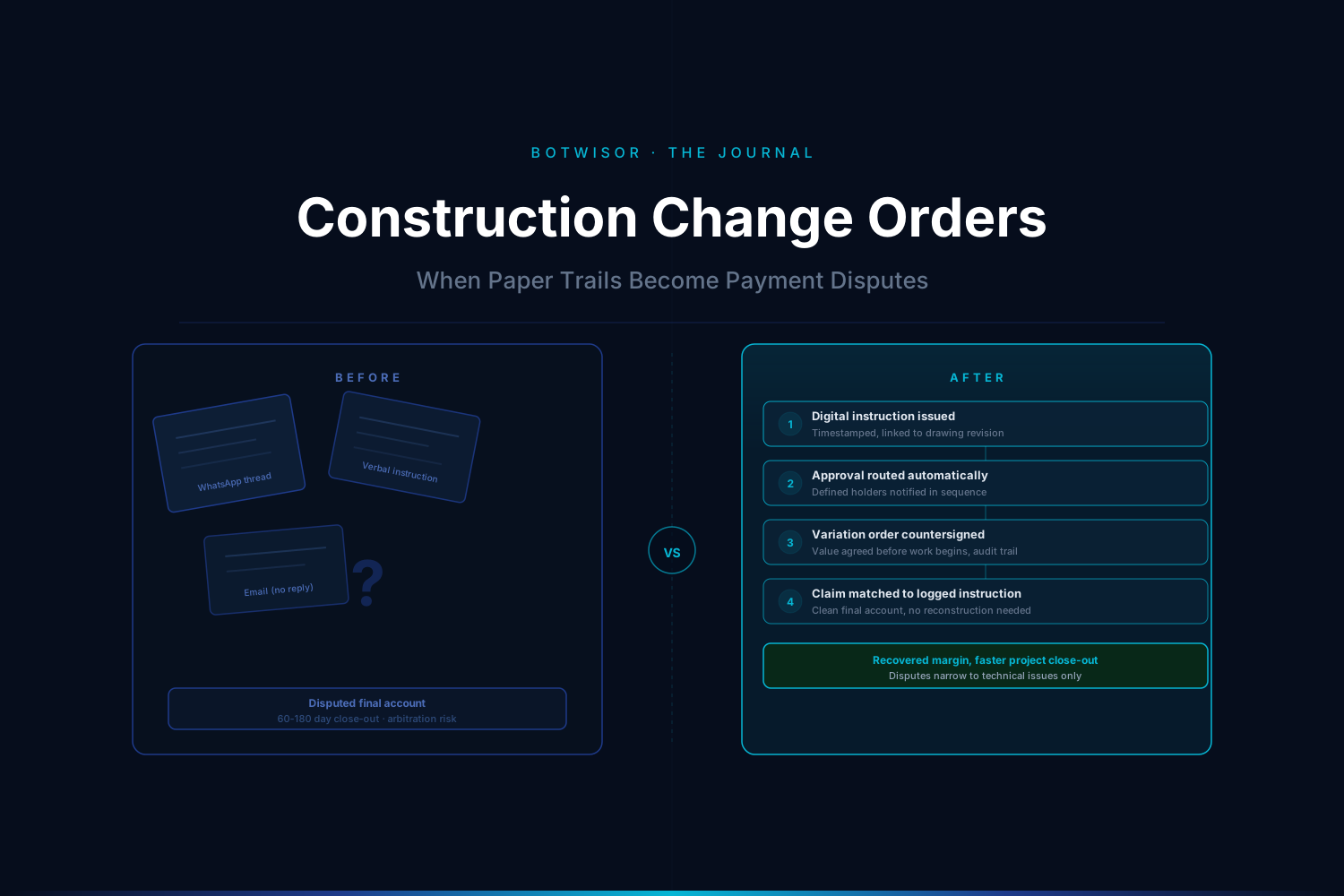
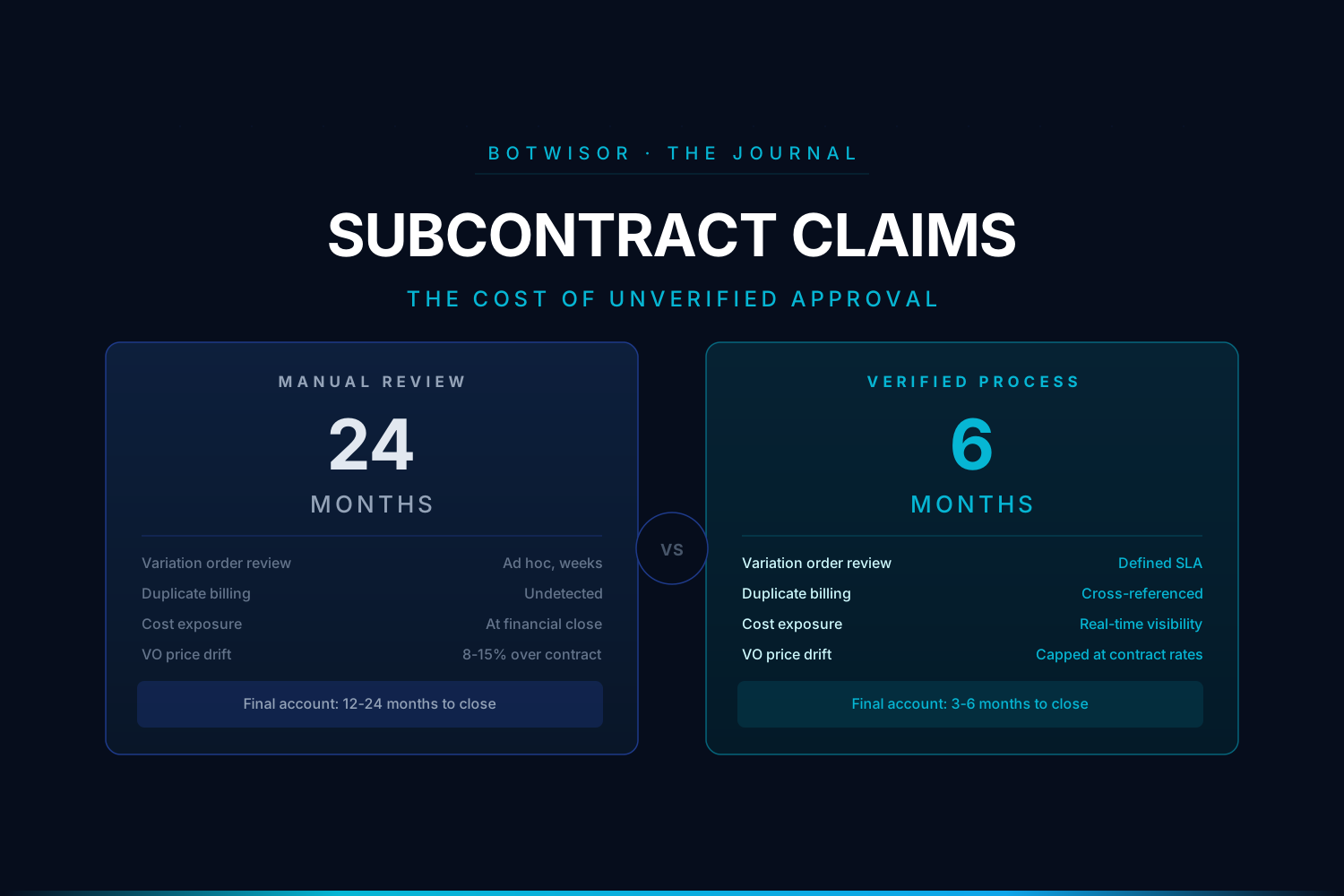
Unresolved change orders are Saudi construction's most common payment dispute trigger. Here is what informal tracking costs and what structured variation management recovers.
Real estate & constructionConstruction OperationsBefore/After
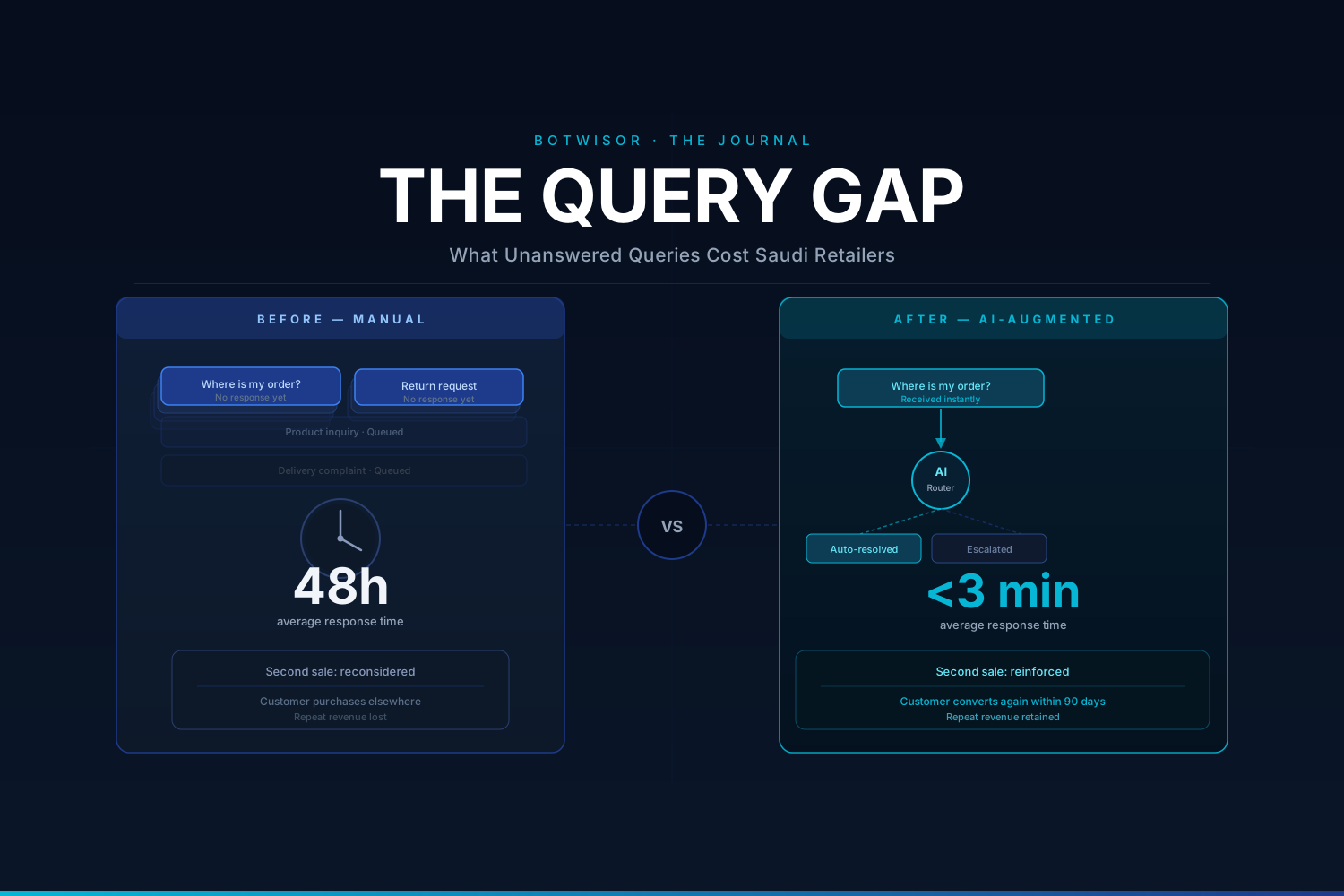
Saudi retail service queues responding in 24 to 48 hours are losing the second sale. The cost is real, measurable, and hiding in repeat-purchase metrics.
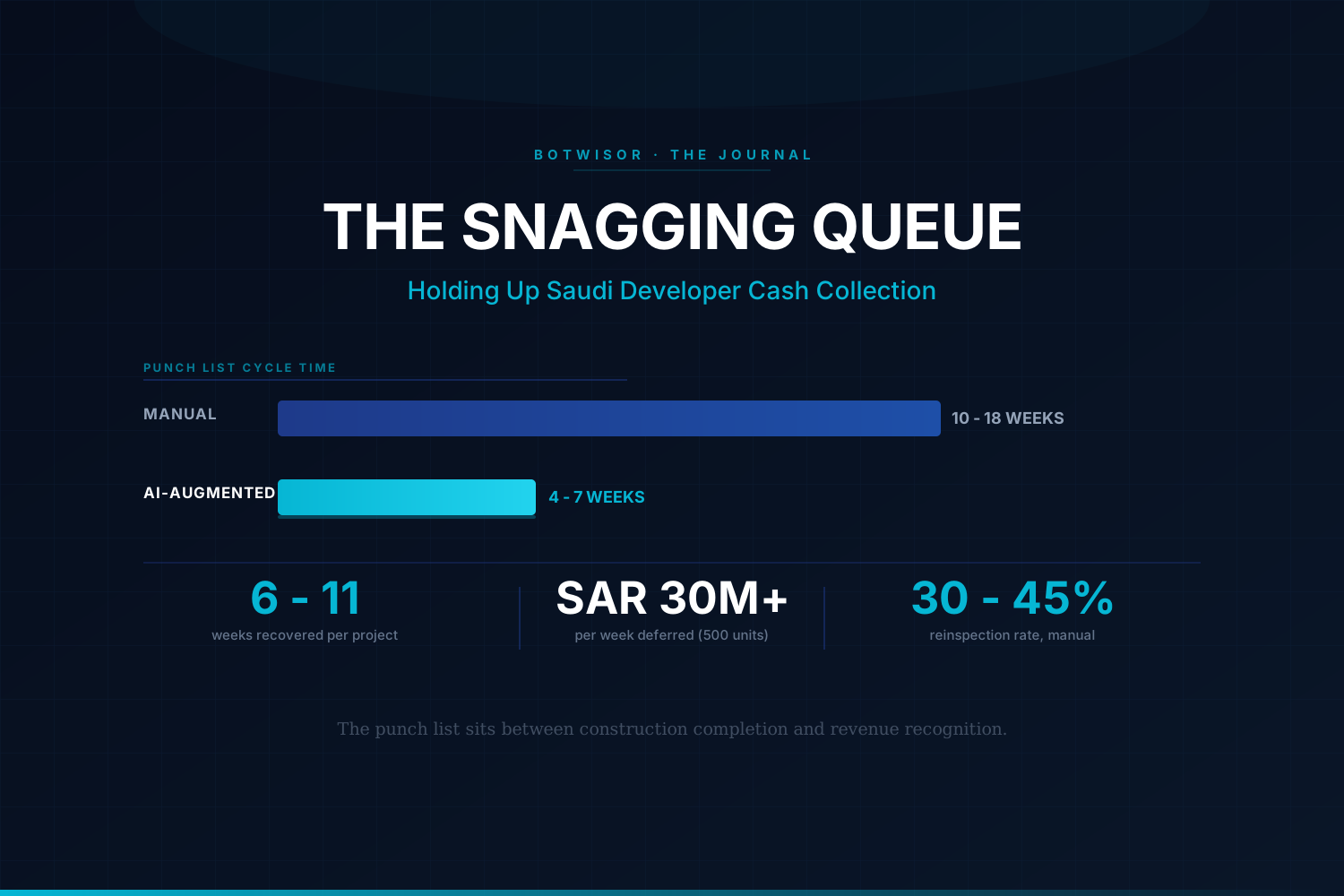
Saudi property developers carry millions in deferred final installments while punch lists overrun. Here is what the delay costs and what a structured snagging workflow recovers.
Real estate & constructionSnagging & HandoverBefore/After
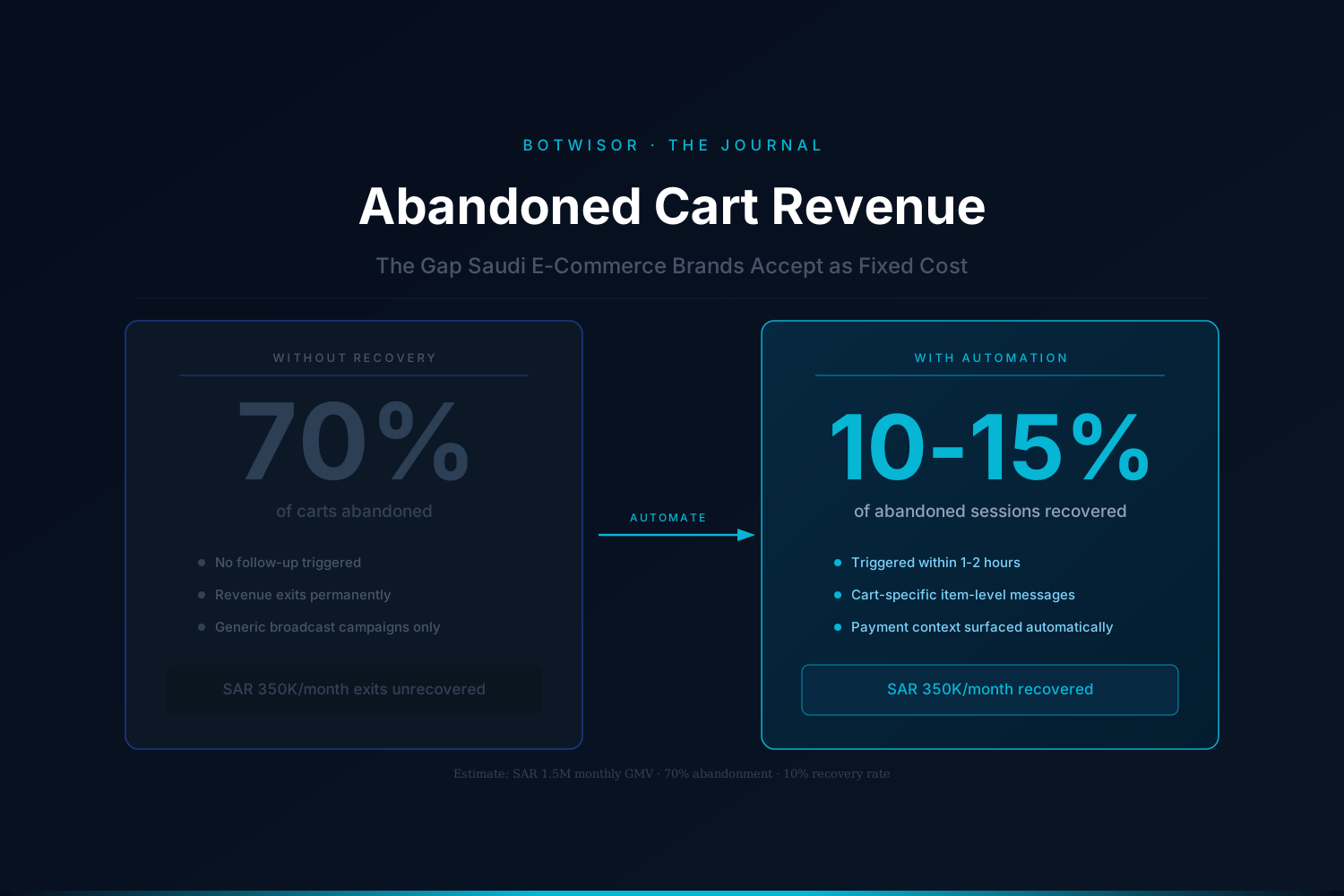
Between 65% and 75% of Saudi online shopping sessions end with a full cart and no purchase. Most brands absorb this as fixed cost. A meaningful share of that revenue is recoverable, and the gap compounds as GMV scales.
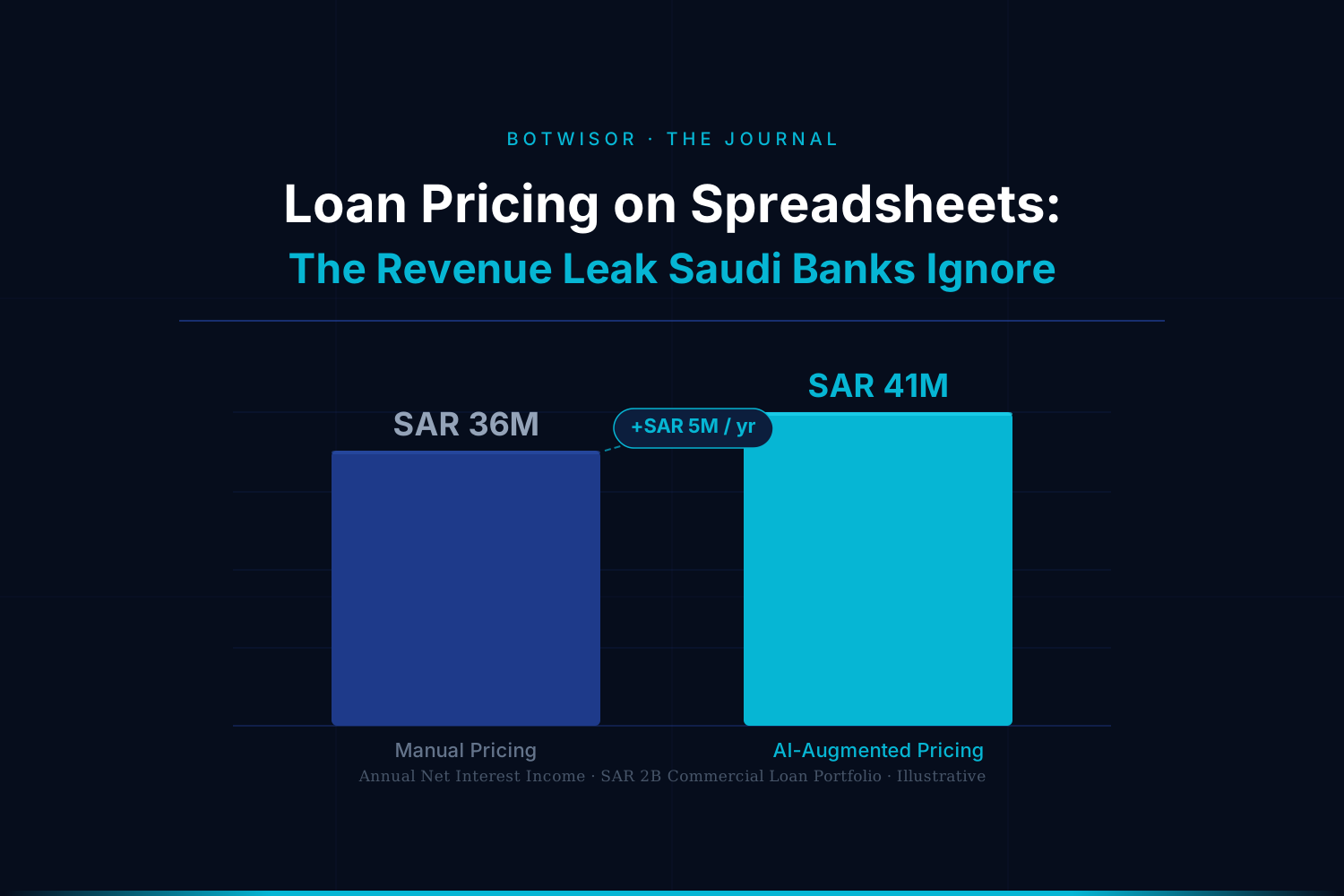
Static spread tables leave Saudi banks underpricing corporate and SME risk on every deal. The annual margin gap on a SAR 2B commercial book typically exceeds SAR 5 million in foregone net interest income.
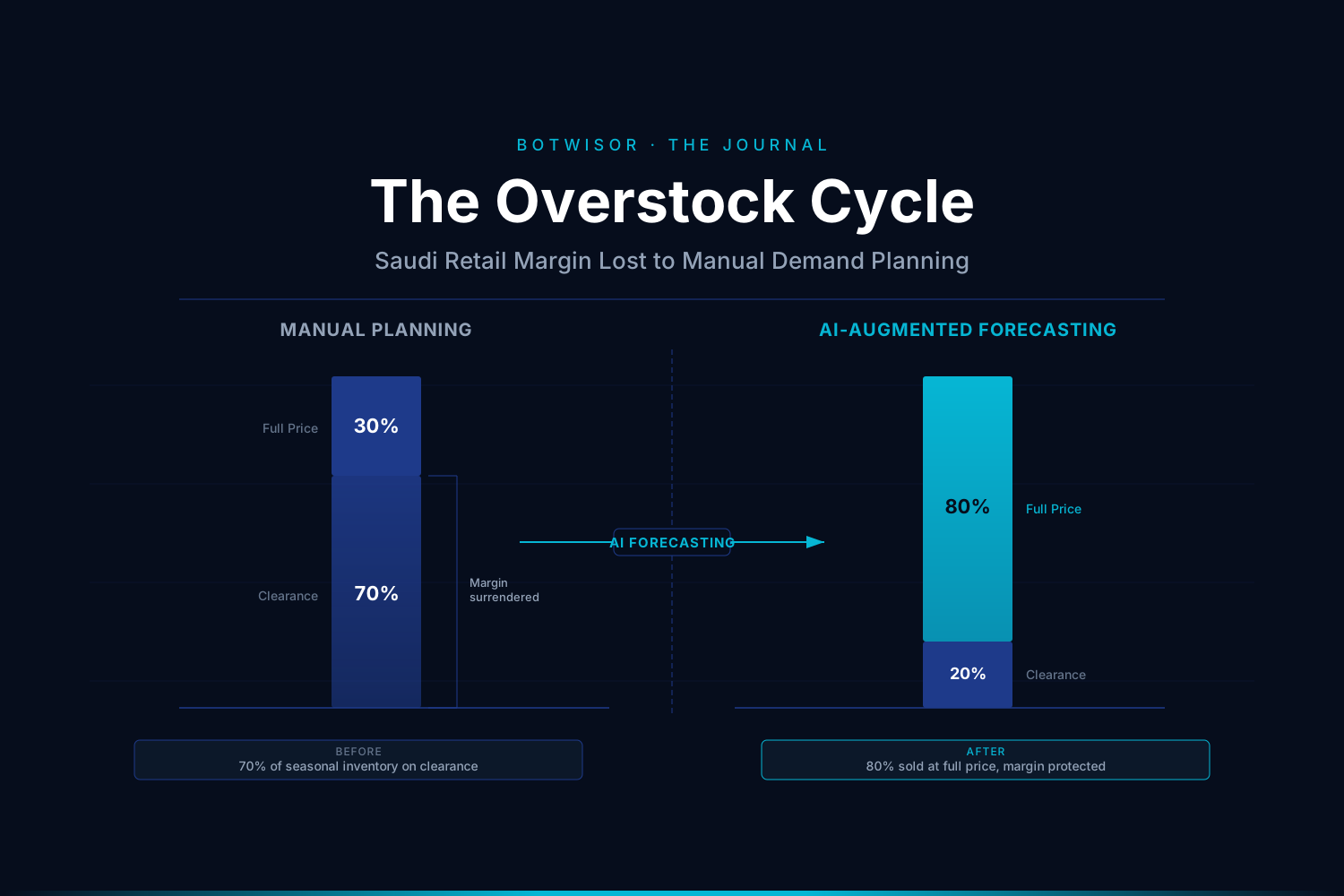
Saudi retailers on manual demand planning over-order predictably, then absorb the gap through clearance pricing that trades margin for liquidity. The cycle repeats every season because the underlying forecast process has not changed.
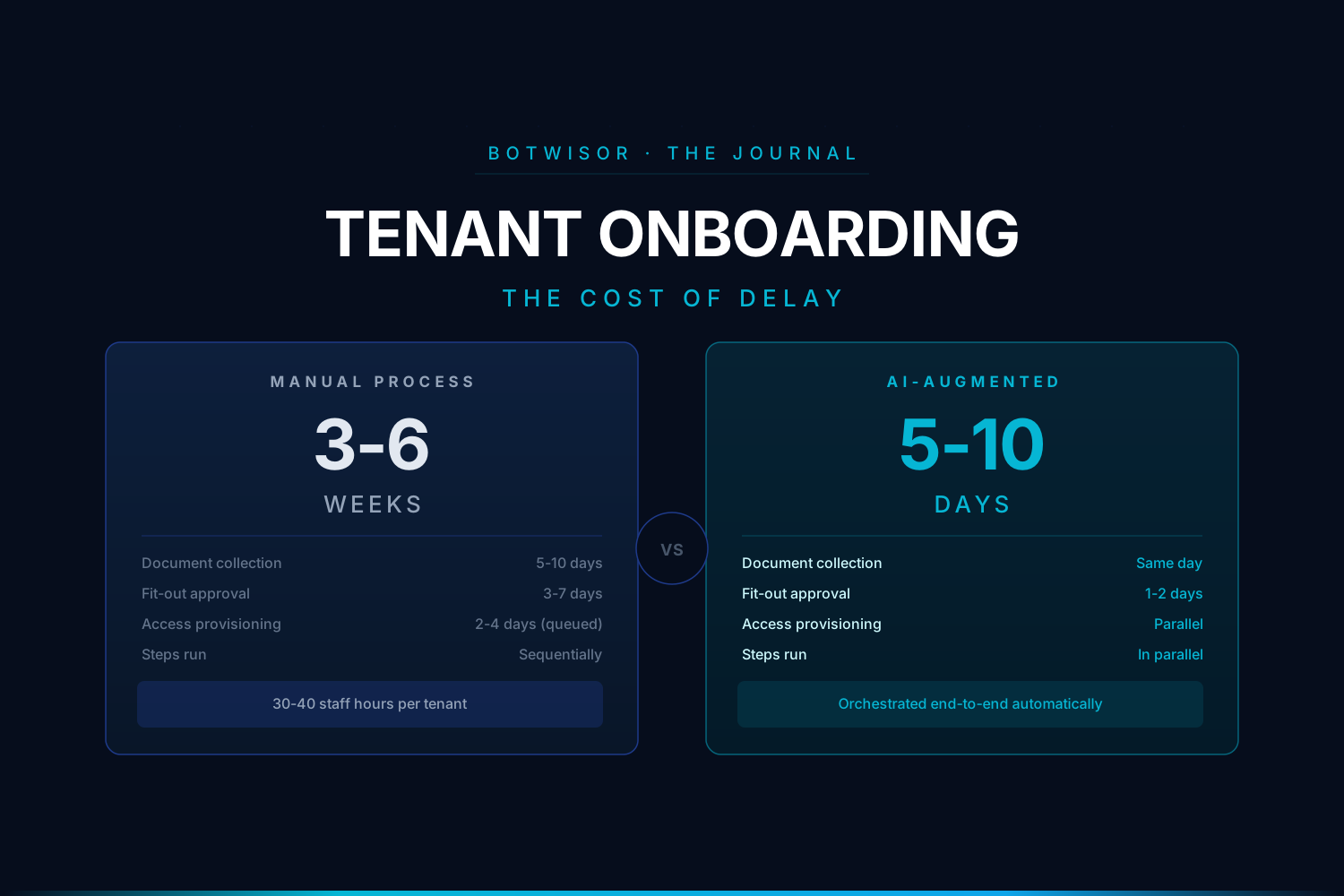
Saudi commercial landlords lose up to SAR 660K per year to manual tenant onboarding delays. Here is where the cost builds and what AI-augmented ops delivers.
Real estate & constructionTenant ManagementBefore/After
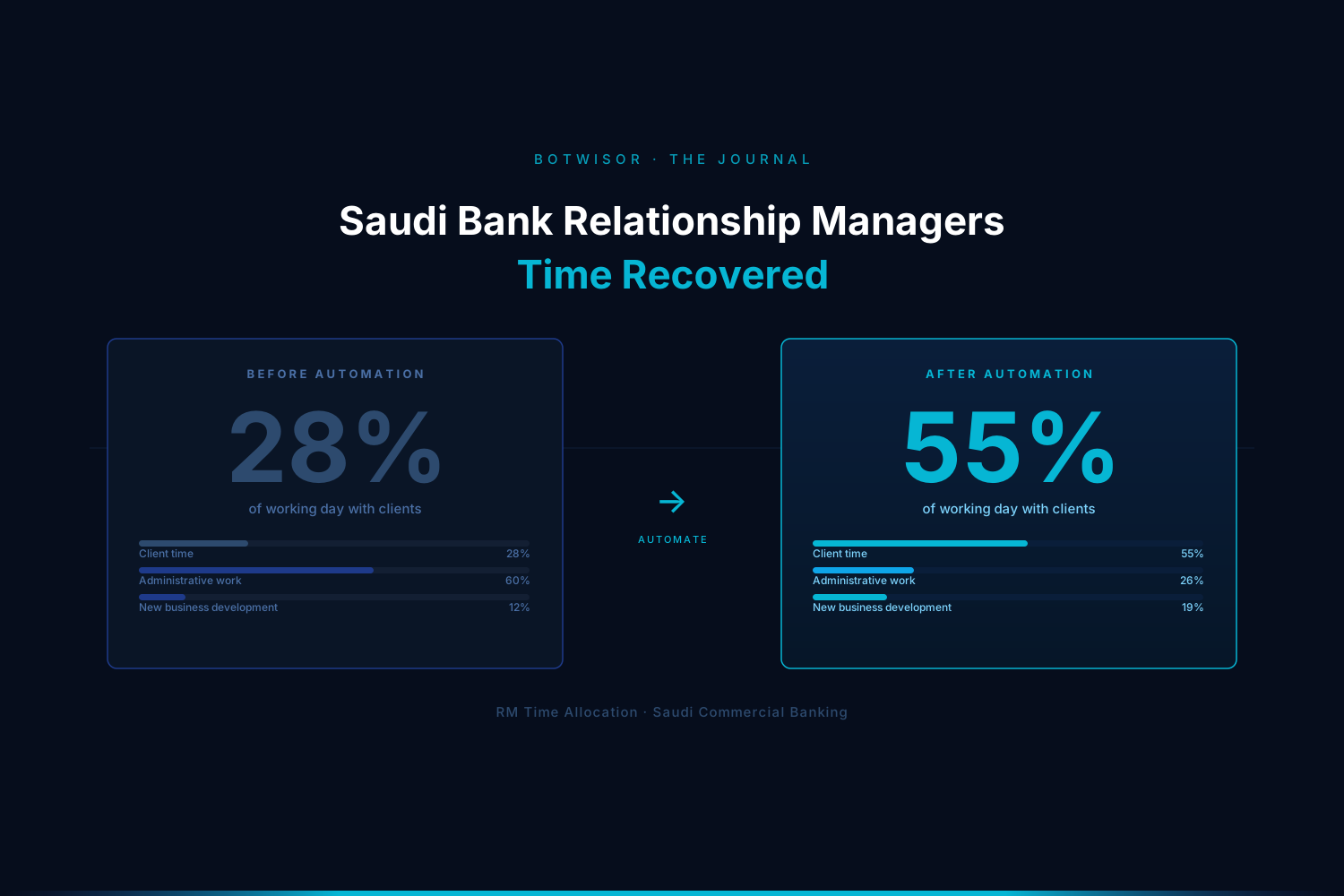
Saudi bank RMs spend less than a third of their day in client conversations. The rest goes to administrative work that automation can handle. Here is what that misallocation costs.
Saudi retailers on batch promotion cycles give away margin to buyers who needed no discount and train loyal customers to wait for offers. What that pattern costs operators at SAR 50M-200M in revenue.
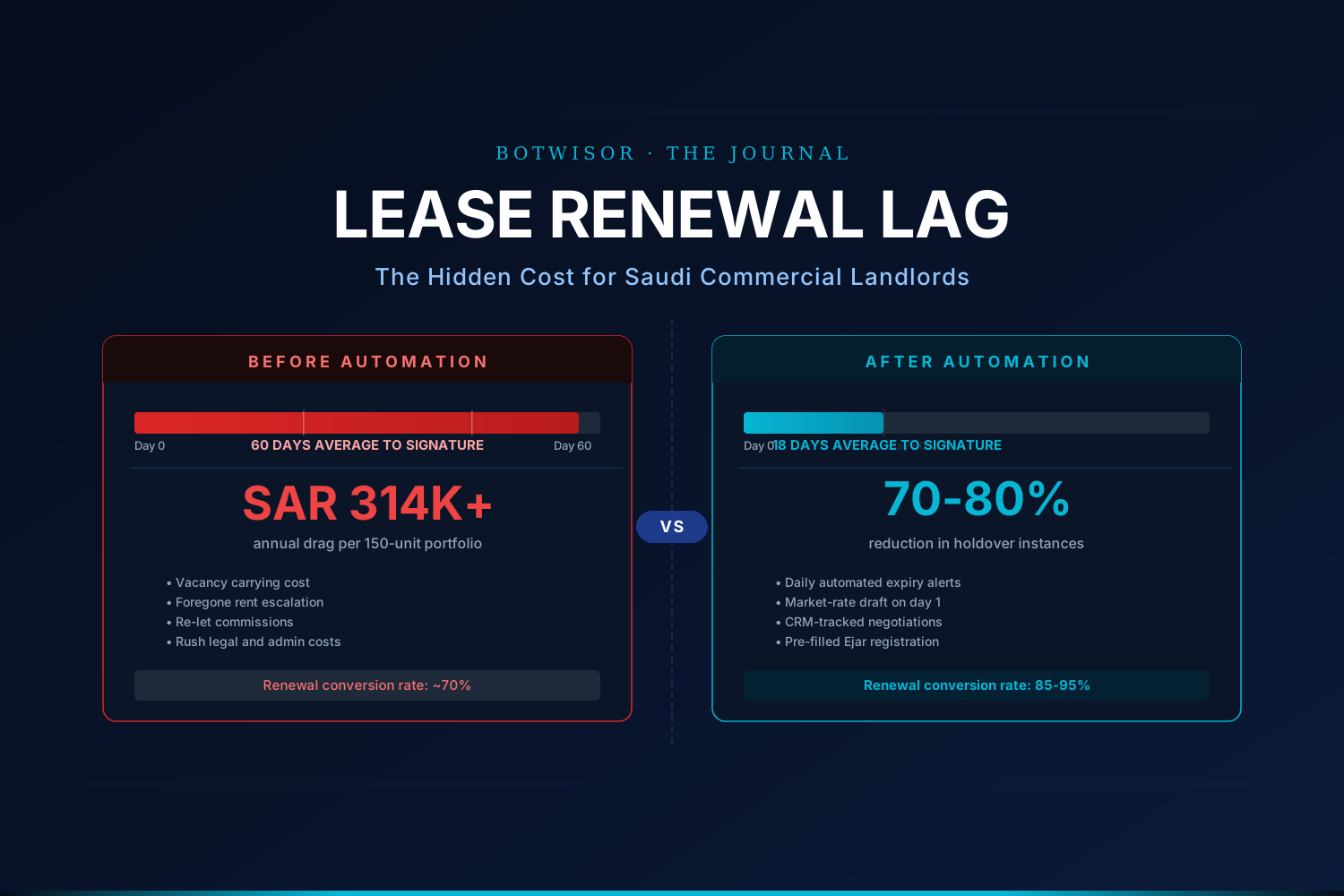
Saudi commercial landlords lose over SAR 300K per year to lease renewal lag, not from vacancies, from process delays. This breakdown maps where the cost builds and what changes when renewal management runs on automation.
Real estate & constructionLease ManagementBefore/After
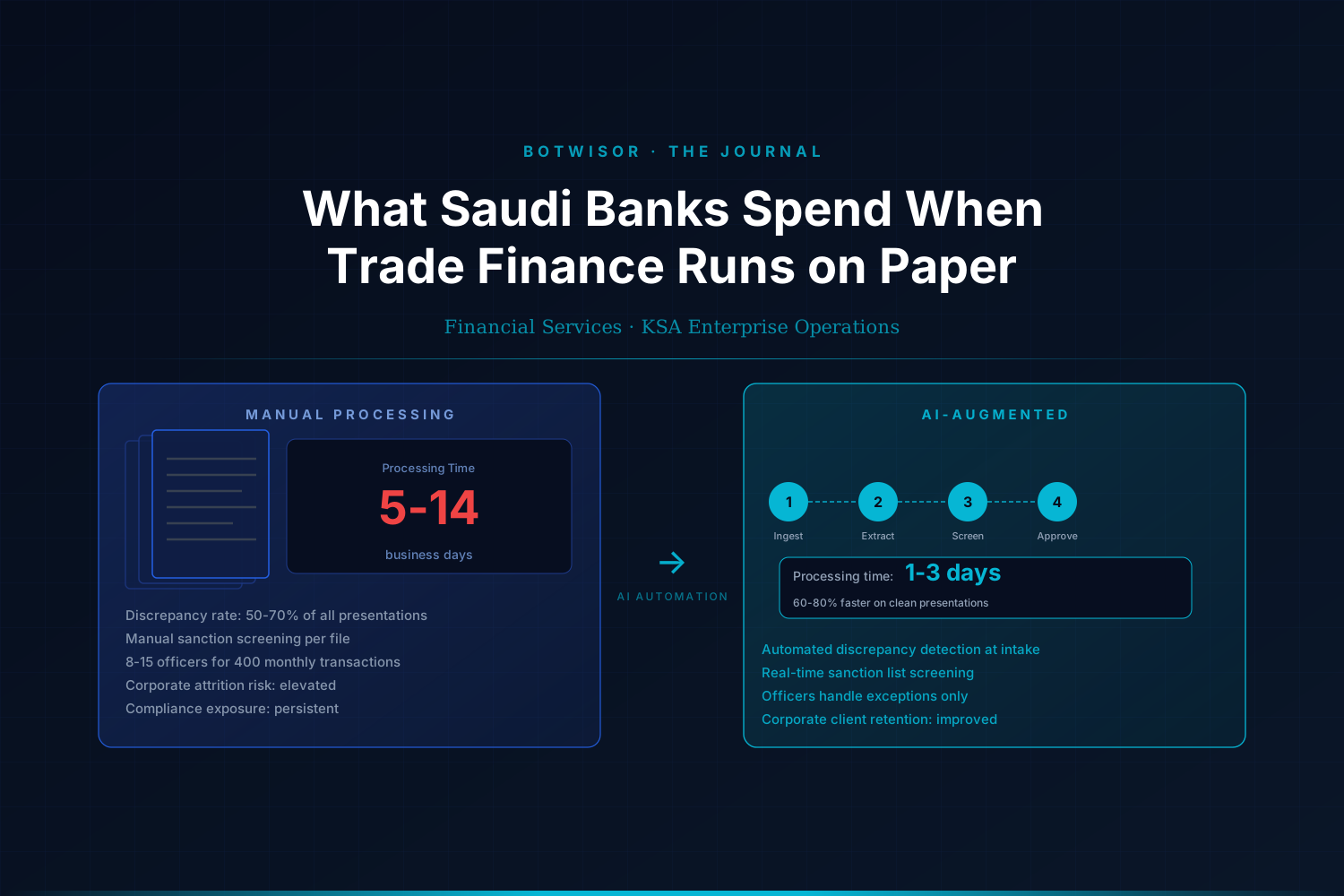
Saudi banks running trade finance manually pay in delayed approvals, compliance risk, and lost corporate clients. Here is what the paper trail actually costs.
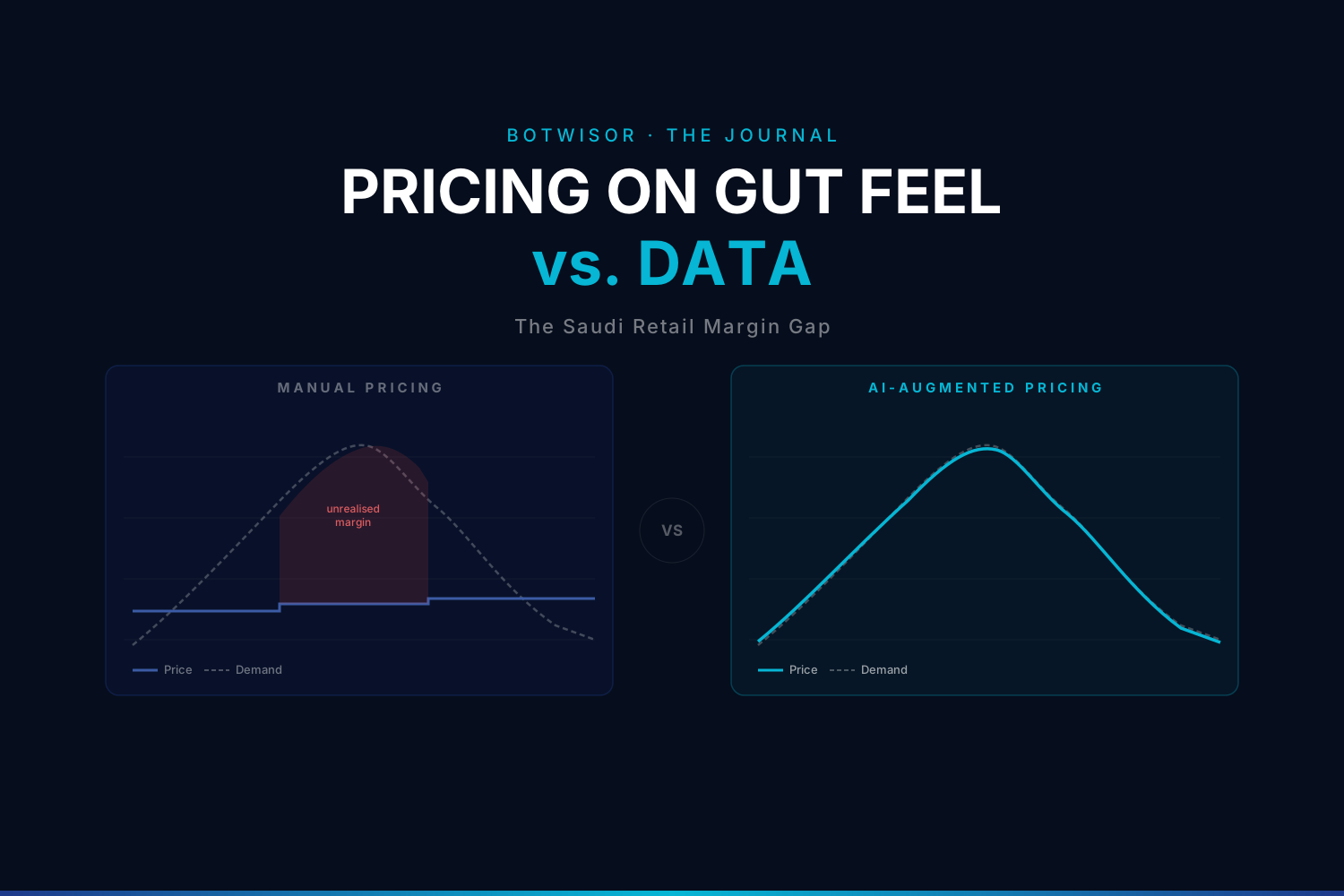
Saudi retailers on manual pricing cycles leave margin unrealised during demand spikes and over-discount when demand slows. What that gap costs operators at SAR 30M–200M in annual revenue.
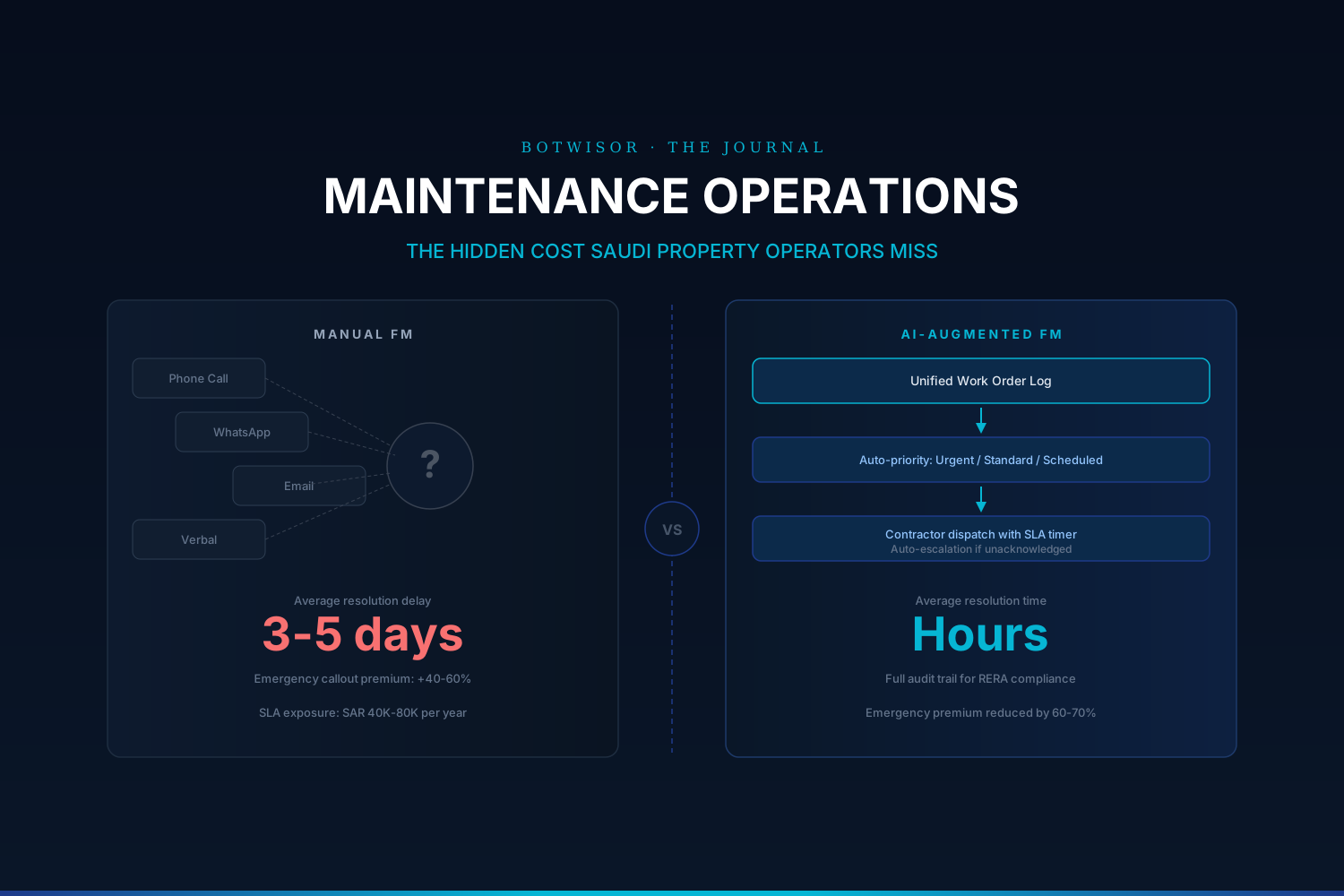
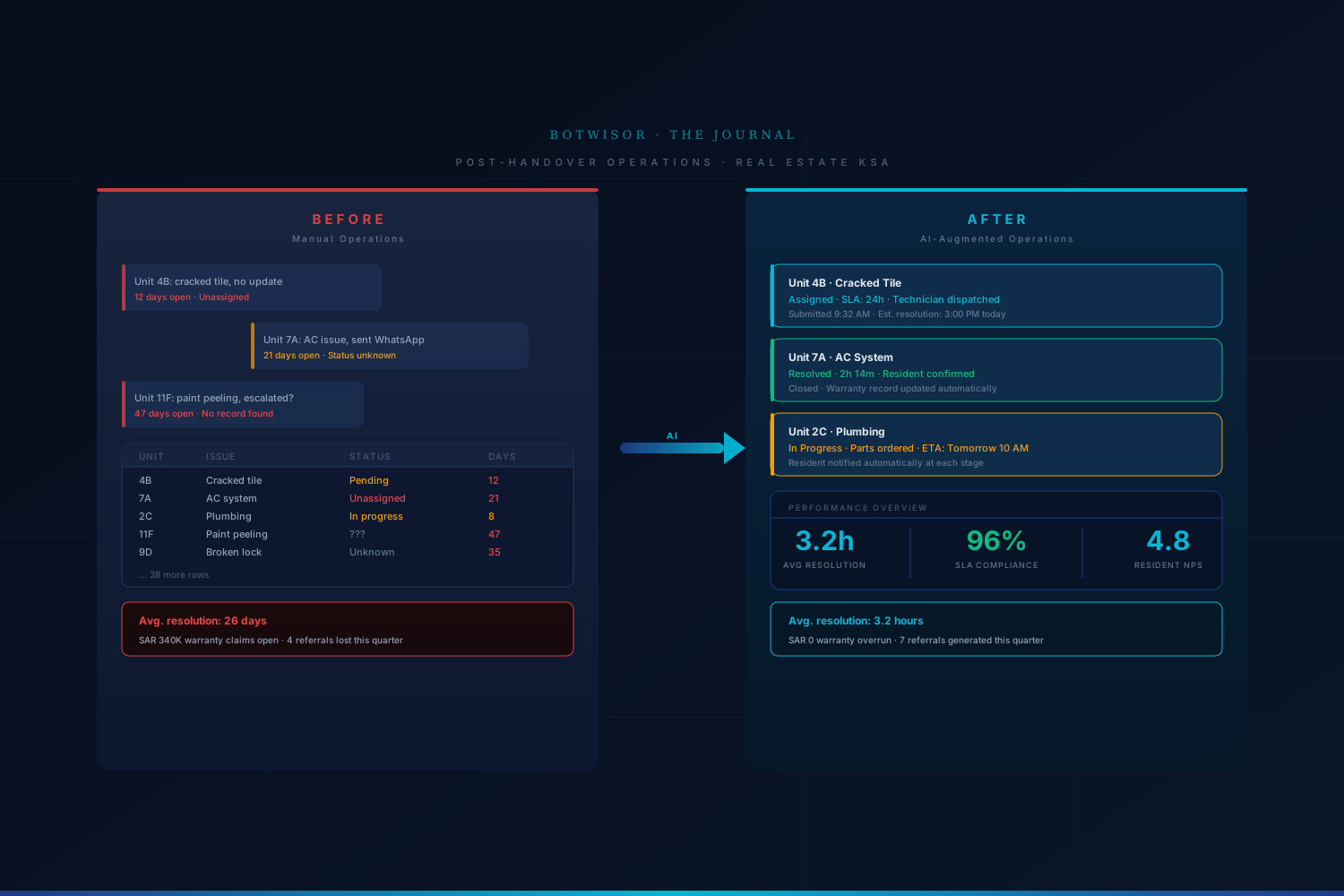
Saudi property operators know maintenance delays frustrate tenants. Few calculate the full cost: emergency callout premiums, SLA penalties, and tenant churn compounding every quarter.
Real estate & constructionFacilities ManagementAI Automation
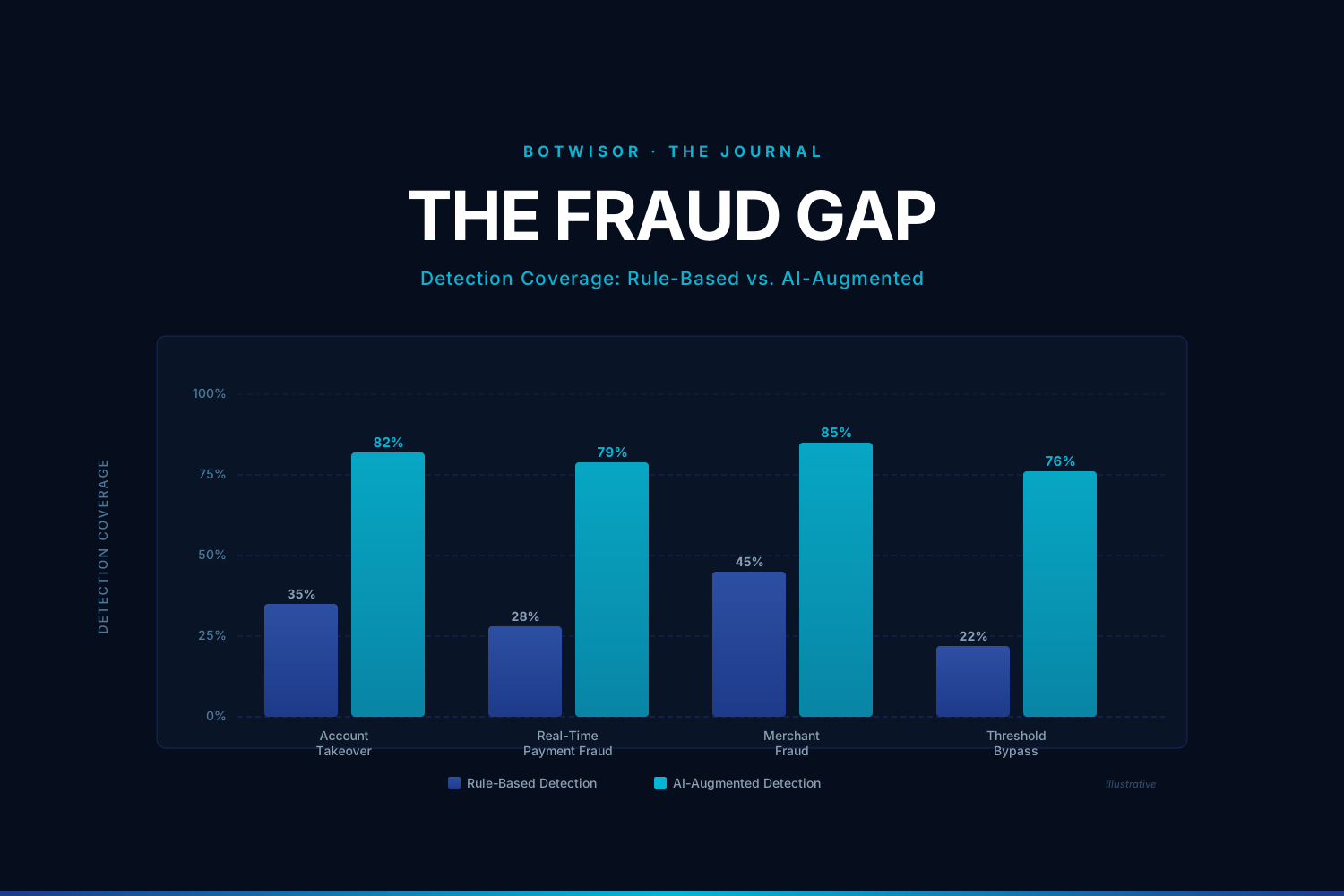
Rule-based fraud detection misses the transactions it was never designed to catch. For Saudi banks, that gap has grown significantly as payment rails accelerated and fraud methods evolved.
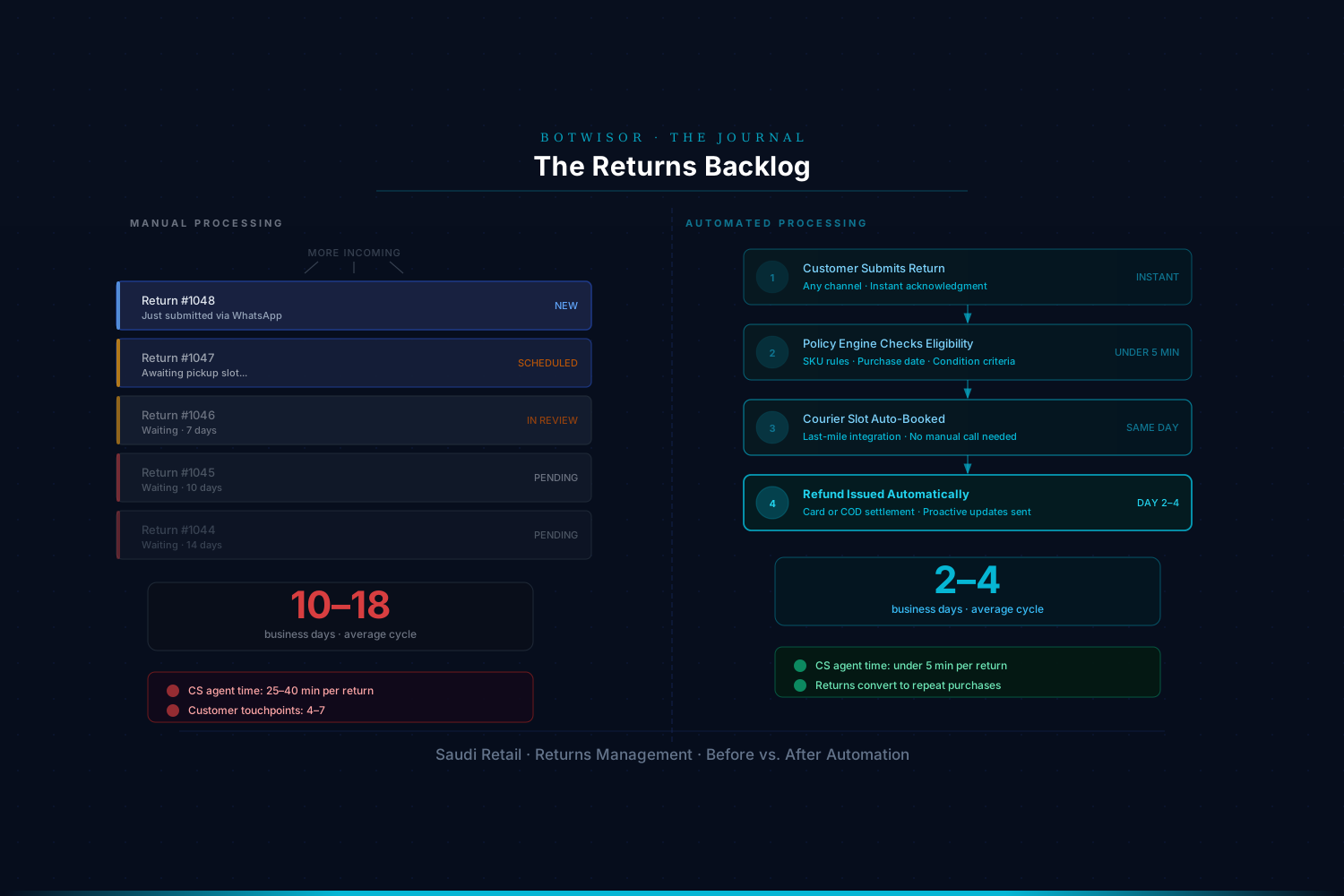
Return cycles of 10 to 18 days are the norm in Saudi e-commerce. The real cost of slow processing is not the refund amount: it is the repeat customer you lose while the backlog builds.
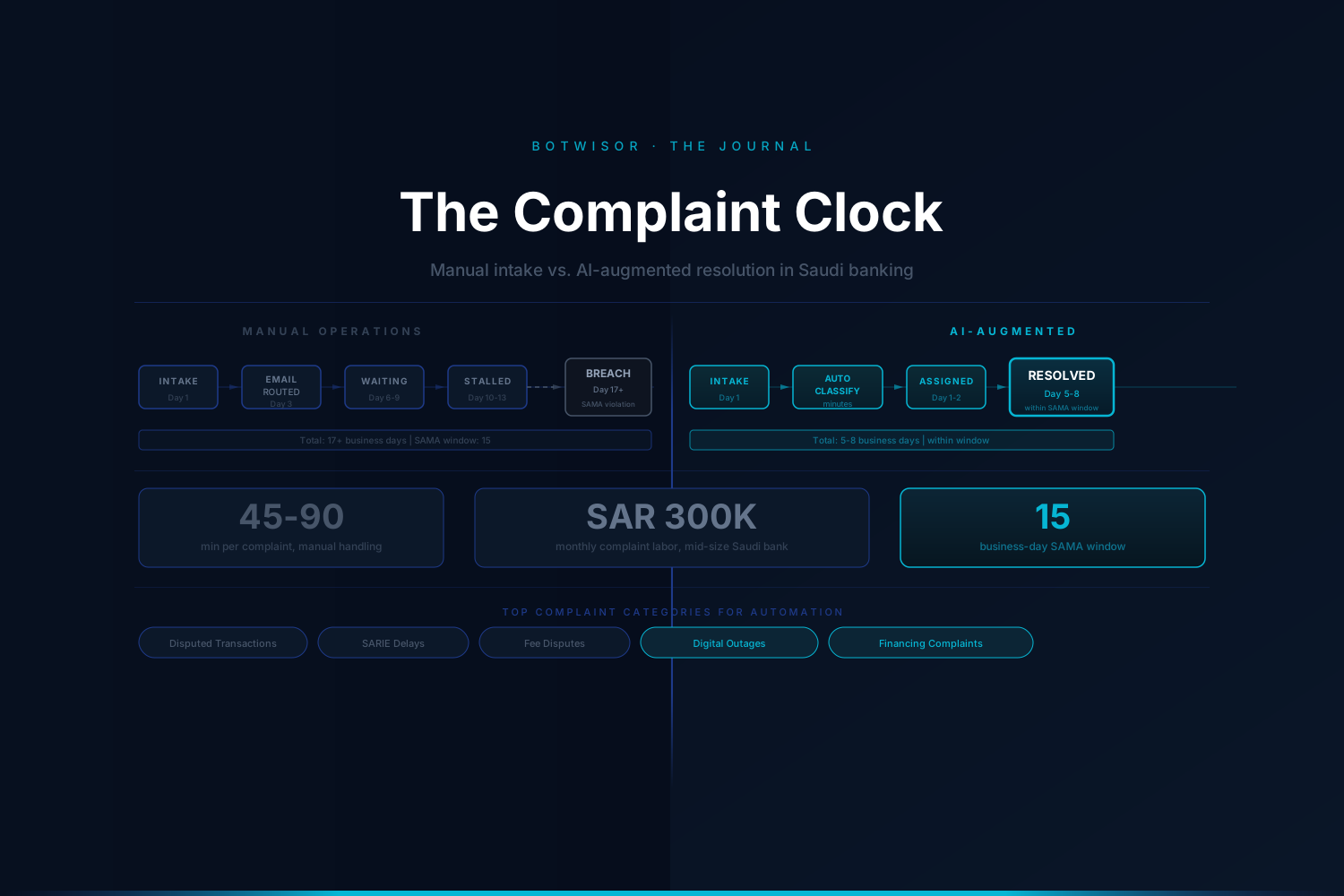
Saudi banks relying on manual complaint intake face SAMA regulatory exposure and customer attrition in parallel. Both costs accumulate quietly until the backlog becomes undeniable.
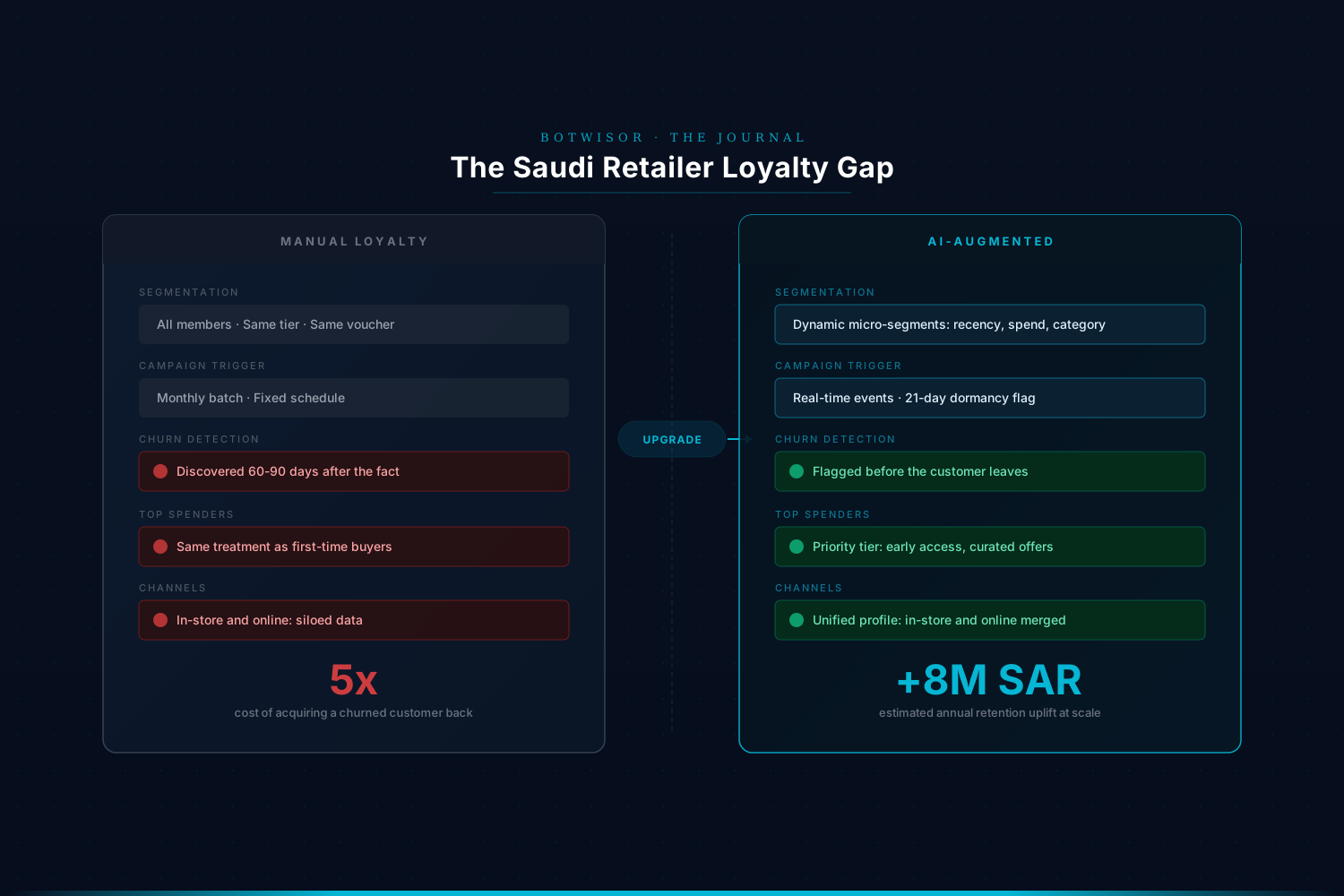
Manual loyalty programs cost Saudi retailers more than they save: top spenders go unrewarded, churn rises undetected, and generic discounts train shoppers to wait for sales rather than buy at full price.
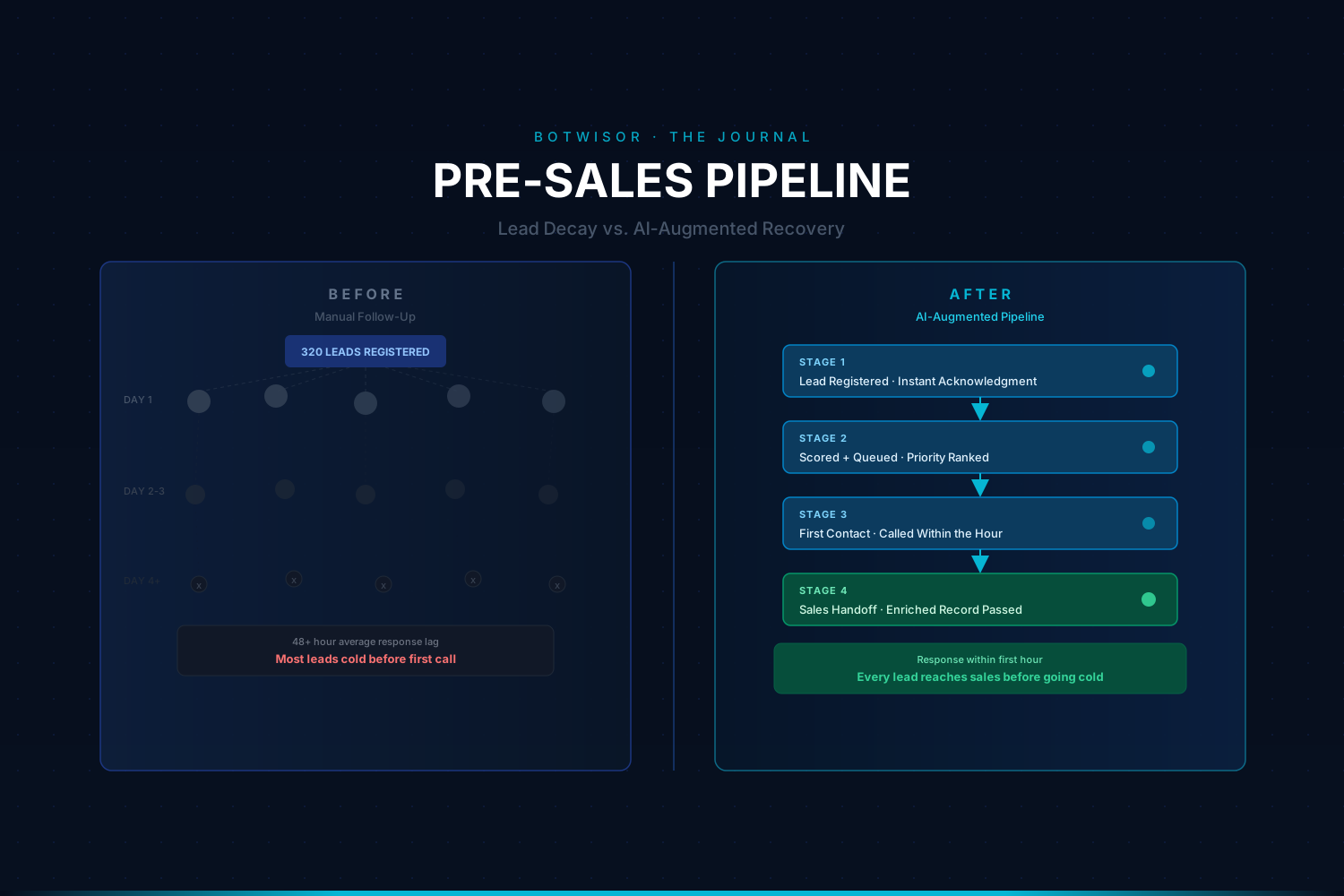
Saudi developers lose qualified buyers to slow follow-up during high-volume launches. This piece maps where the revenue slips and what AI-augmented pre-sales changes in the first 72 hours.
Real estate & constructionDeveloper SalesBefore/After
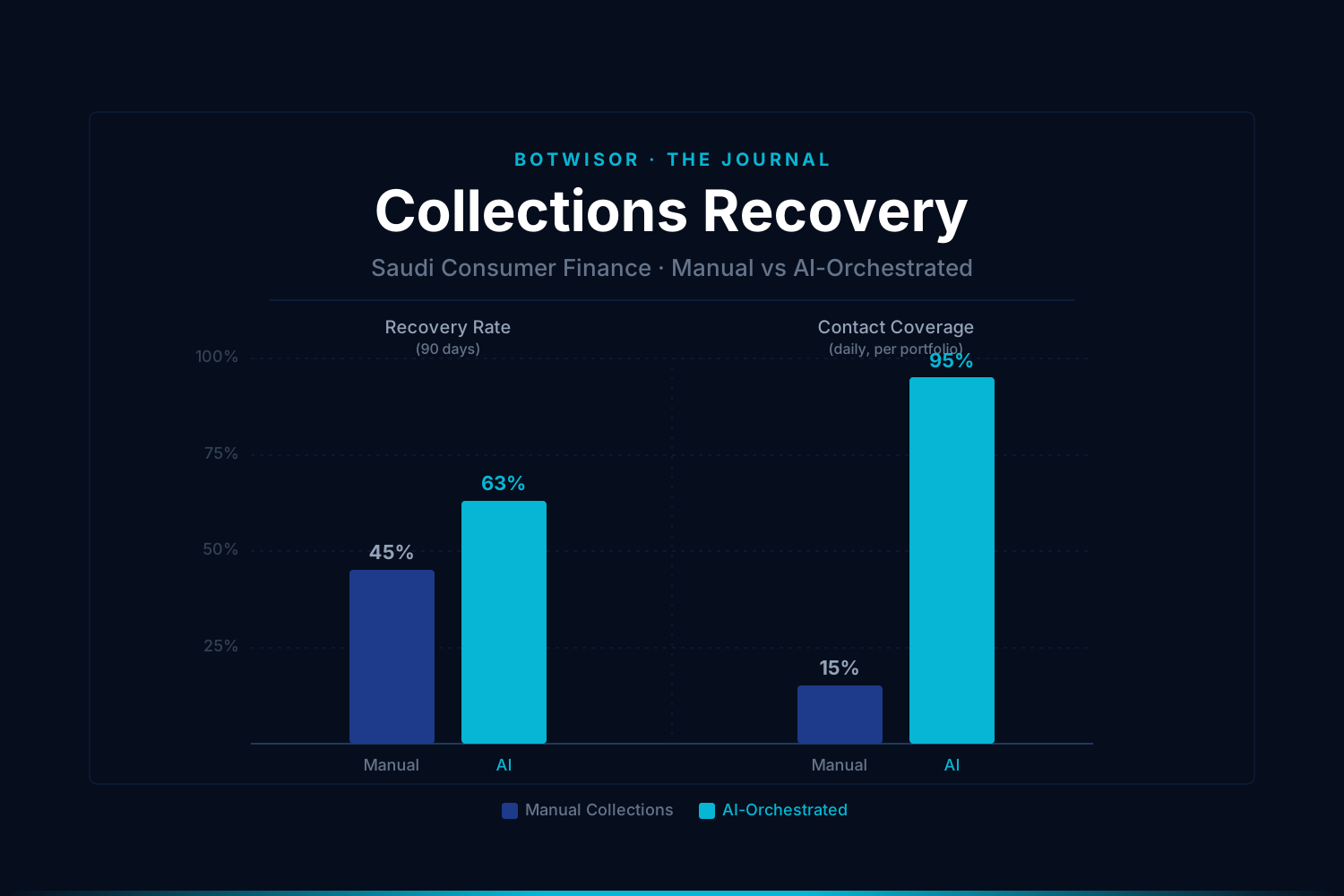
Saudi consumer lenders lose significant recovery probability every month manual call queues delay contact. Here is what AI-orchestrated collections changes operationally.
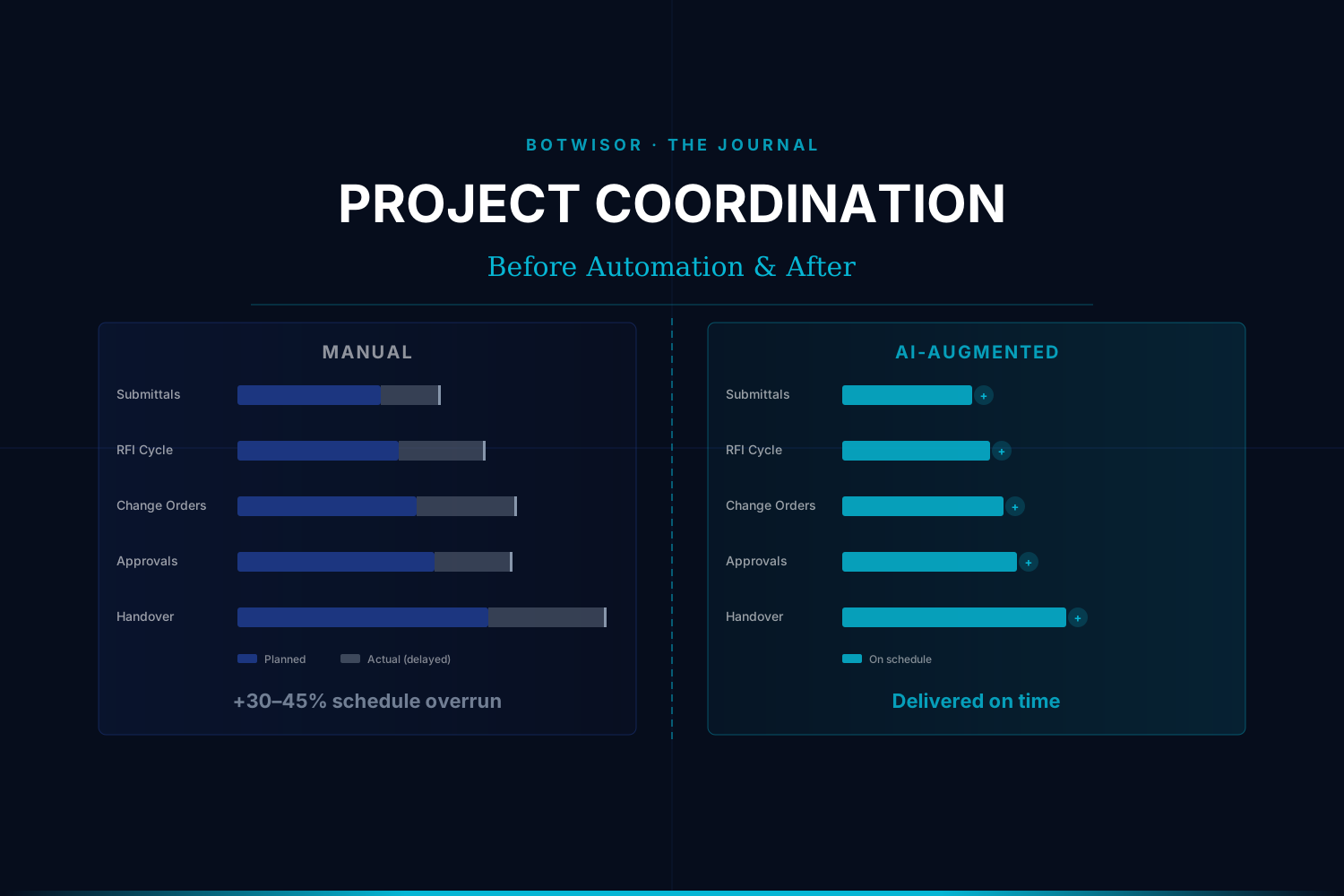
Saudi construction developers running manual project coordination absorb the cost in RFI delays, rework cycles, and change-order disputes that compound across the full project lifecycle.
Real estate & constructionConstruction ManagementCost of Inaction
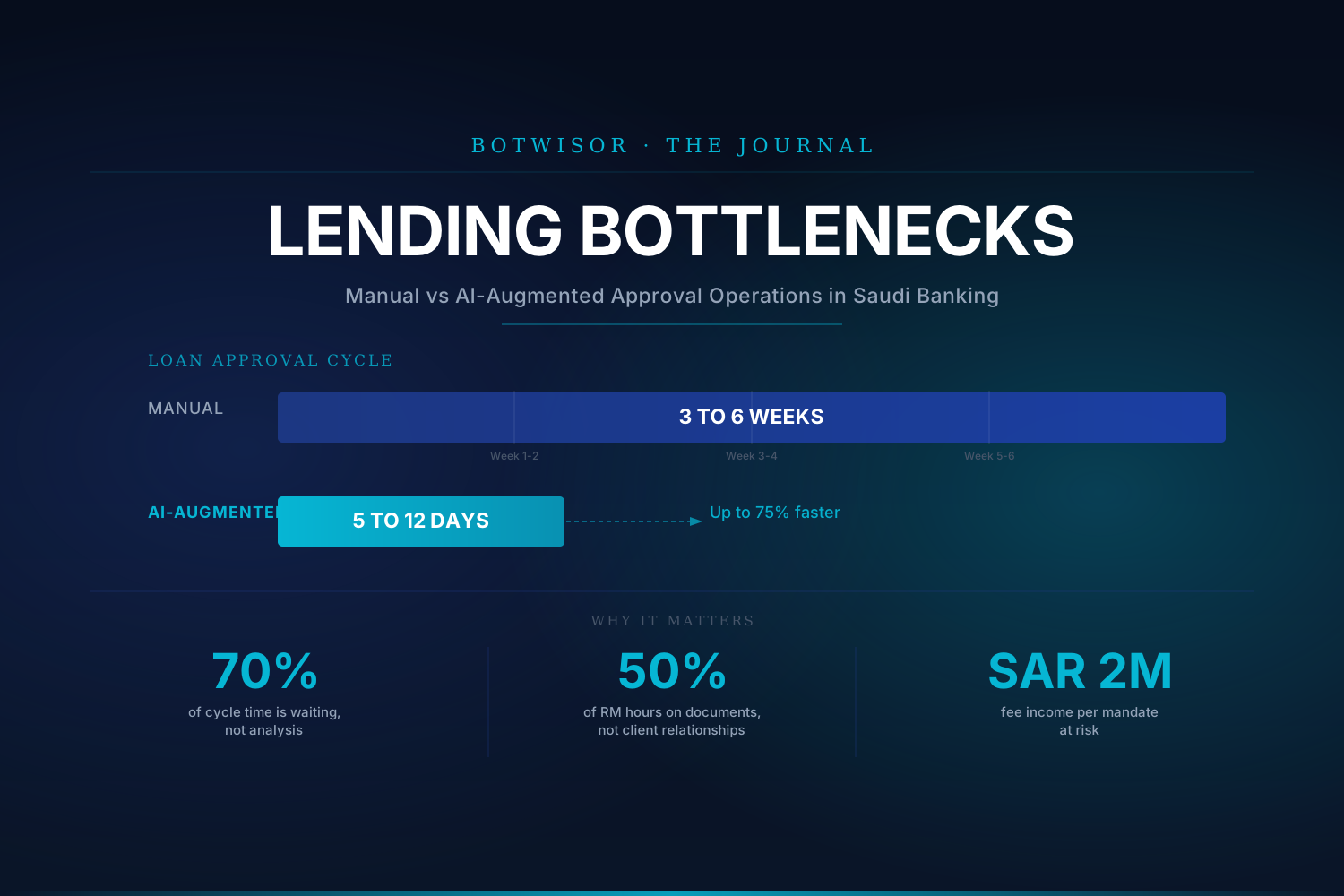
Saudi banks lose mandates when manual loan approvals run three to six weeks. AI-augmented lending ops cut that cycle while strengthening SAMA audit trails.
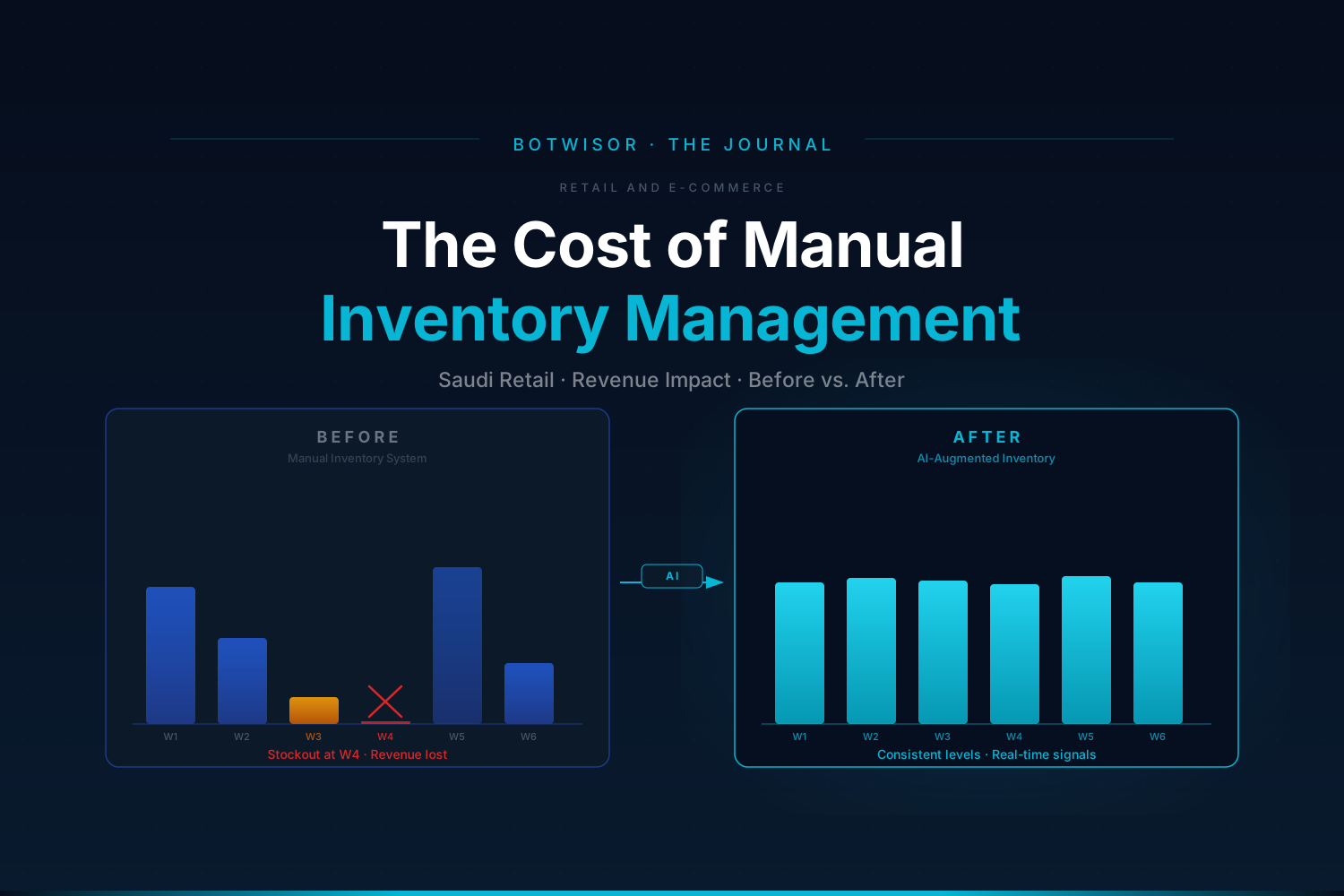
Manual inventory gaps cost Saudi retailers in stockouts during peak seasons, overstock carrying costs year-round, and lost customer trust on every order cancellation.
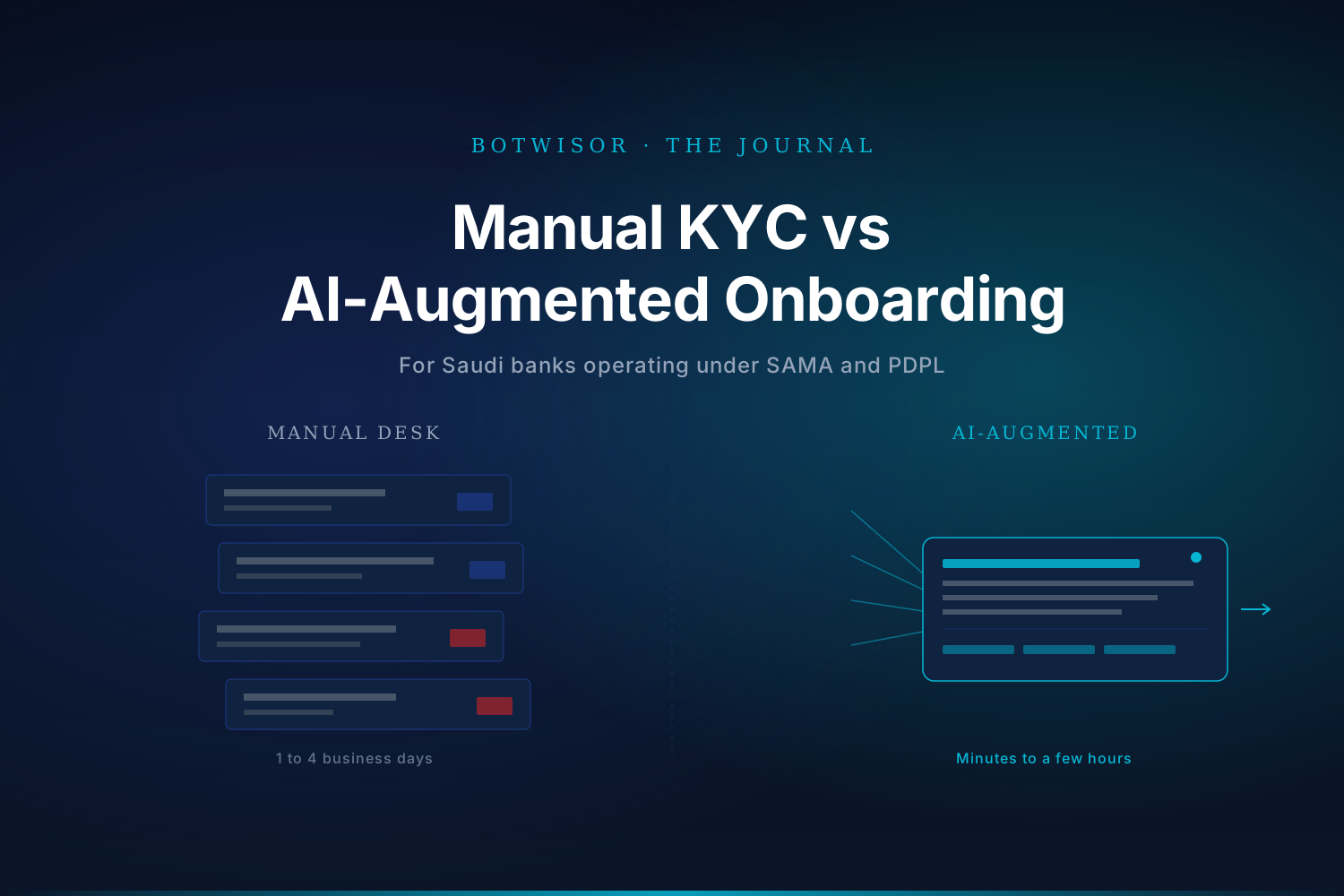
Where SAMA-regulated banks lose days, hours, and customer goodwill in onboarding today, and what an AI-augmented operating model actually changes on the desk.